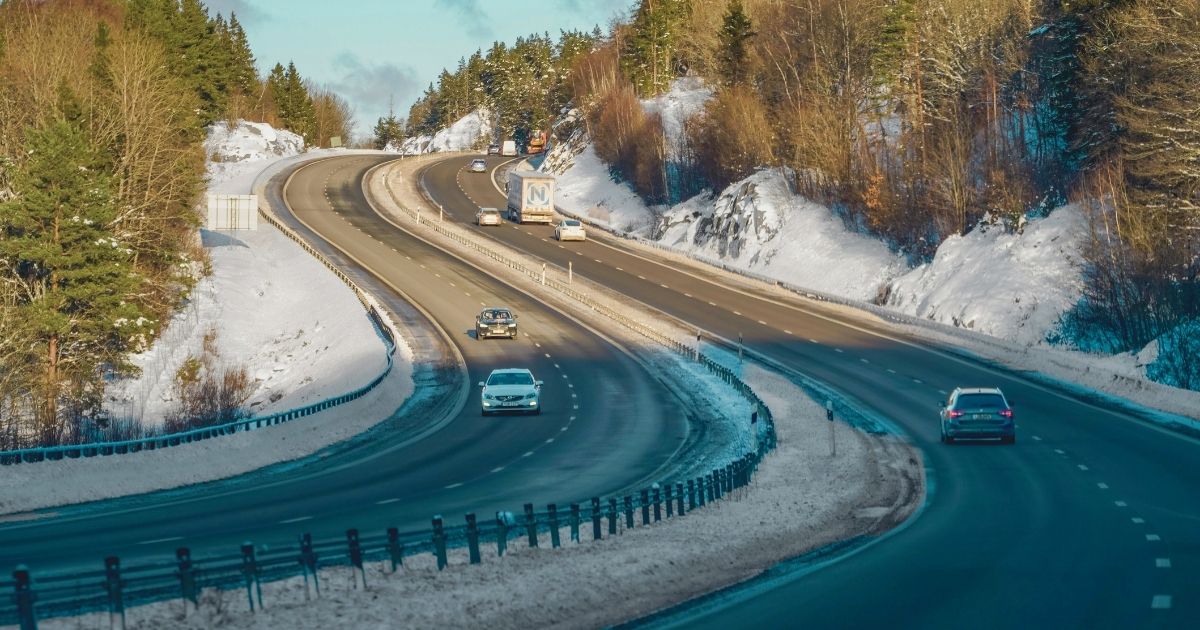
The Czech Republic offers digital nomads an incredible opportunity to explore Central Europe’s heart, from Prague’s stunning architecture to the fairy-tale castles of Bohemia and the rolling hills of Moravia. Understanding the essentials of driving in the Czech Republic opens up possibilities for remote workers seeking to combine productivity with adventure. Whether planning weekend escapes from Prague’s co-working spaces or considering a road trip across the country’s diverse landscapes, navigating Czech roads requires knowledge of local regulations and practical considerations.
Driving in the Czech Republic presents unique challenges and opportunities that differ significantly from other European destinations. The country’s compact size makes it ideal for exploring multiple regions during extended stays, while its central location provides easy access to neighboring countries like Austria, Germany, and Slovakia.
Essential requirements for driving in the Czech Republic
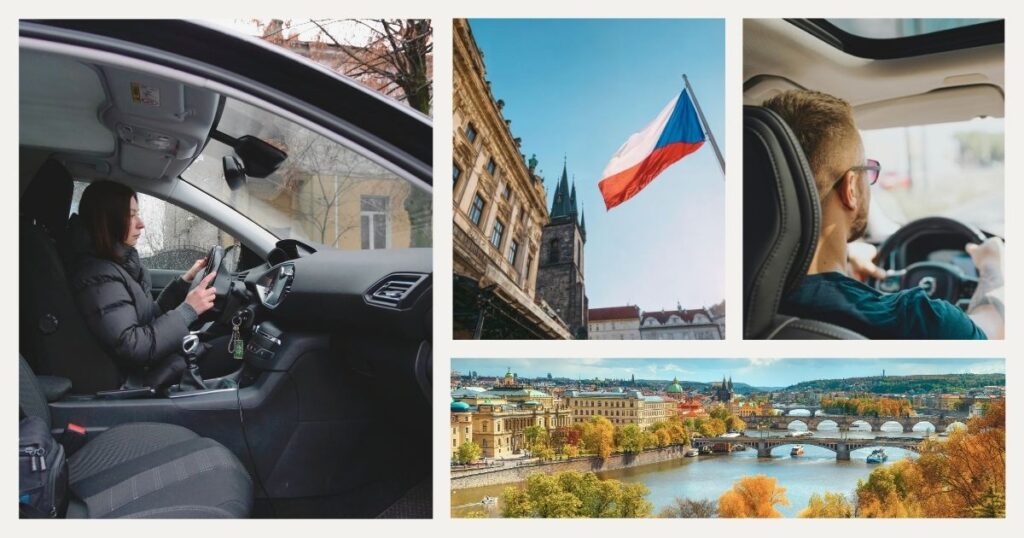
Before embarking on any driving adventure in the Czech Republic, digital nomads must understand the fundamental legal requirements and documentation needed for legal road travel. The Czech Republic, as an EU member state, follows European driving standards while maintaining specific national requirements that can catch unprepared visitors off guard.
License requirements and international permits
Citizens of EU/EEA countries can drive in the Czech Republic using their national driving licenses without additional permits, making the process straightforward for European digital nomads. However, the validity period depends on your residency status and the duration of your stay in the country.
Non-EU citizens require an International Driving Permit (IDP) alongside their national license when driving in the Czech Republic. The IDP must be obtained in your home country before travel, as it cannot be issued while abroad. This permit serves as an official translation of your national license and is essential for rental car companies and police interactions.
💡 Did you know? The Czech Republic recognizes IDPs issued under both the 1968 Vienna Convention and the 1949 Geneva Convention, but the Vienna Convention version is preferred and more widely accepted by rental agencies.
Long-term residents (staying more than 185 days) must exchange their foreign licenses for Czech driving licenses, regardless of their EU status. This requirement particularly affects digital nomads planning extended stays or those who establish Czech residency for tax or visa purposes.
Vehicle registration and insurance
All vehicles driving in the Czech Republic must carry valid registration documents and comprehensive insurance coverage. Rental vehicles typically include all necessary documentation, but private vehicle owners must ensure their paperwork meets Czech requirements.
Third-party liability insurance is mandatory for all vehicles, with minimum coverage amounts set by EU regulations. However, additional comprehensive coverage is highly recommended, particularly for valuable vehicles or those carrying expensive equipment typical of digital nomad setups.
Czech traffic laws and regulations
Understanding Czech traffic laws is crucial for safe and legal driving in the Czech Republic. While many regulations align with broader European standards, specific Czech requirements and enforcement practices can surprise unprepared drivers, particularly those from non-European countries.
Speed limits and traffic rules
Speed limits for driving in the Czech Republic follow a structured system based on road types and urban versus rural areas. Urban areas typically enforce 50 km/h limits, while rural roads allow 90 km/h, and highways permit speeds up to 130 km/h for passenger vehicles.
These limits can change frequently based on road conditions, construction zones, and local regulations, requiring constant attention to posted signage. Speed cameras operate extensively throughout the country, with both fixed installations and mobile units.
🌟 Pro tip: Czech police frequently conduct random document checks, especially near border areas and tourist destinations. Always carry your driving license, IDP (if required), vehicle registration, insurance documents, and passport when driving in the Czech Republic.
Special regulations and restrictions
Driving in the Czech Republic requires adherence to several unique regulations that may differ from your home country’s practices. Headlights must be illuminated at all times while driving, regardless of weather conditions or time of day, year-round throughout the country.
Alcohol tolerance is set at 0.0% blood alcohol content for all drivers, making any alcohol consumption before driving illegal. This zero-tolerance policy is strictly enforced through random breath testing and roadside checkpoints.
Highway system and toll requirements
The Czech Republic operates an electronic highway toll system that requires advance payment for access to major motorways. Understanding this system is essential for anyone planning highway travel, as violations can result in substantial fines.
Electronic vignette system
Czech highways require electronic vignettes (toll stickers) for vehicles under 3.5 tons, which covers most rental cars and personal vehicles used by digital nomads. These vignettes must be purchased before entering toll roads and are linked to your vehicle’s license plate number.
Vignettes are available for various durations, including 10-day (310 CZK), one-month (440 CZK), and annual (1,500 CZK) options. Digital nomads planning extensive highway travel should consider longer-duration vignettes for cost-effectiveness.
Alternative routes and navigation
Understanding non-toll alternatives becomes crucial for budget-conscious digital nomads or those preferring scenic routes. The Czech Republic maintains an extensive network of regional roads that connect most destinations without requiring highway tolls.
These alternative routes often provide more interesting scenery and opportunities to discover smaller towns and local attractions. However, travel times increase significantly, and road conditions may vary compared to modern highway infrastructure.
🌟 Pro tip: consider reliable mobile connectivity when navigating Czech roads. Holafly’s Czech Republic eSIM ensures consistent internet access for real-time navigation and traffic updates, essential for avoiding toll roads or finding alternative routes during your driving adventures.
Road conditions and safety considerations
Road infrastructure quality varies significantly across the Czech Republic, with major highways and urban areas generally maintaining excellent conditions while rural and mountainous regions may present challenges that require adjusted driving techniques.
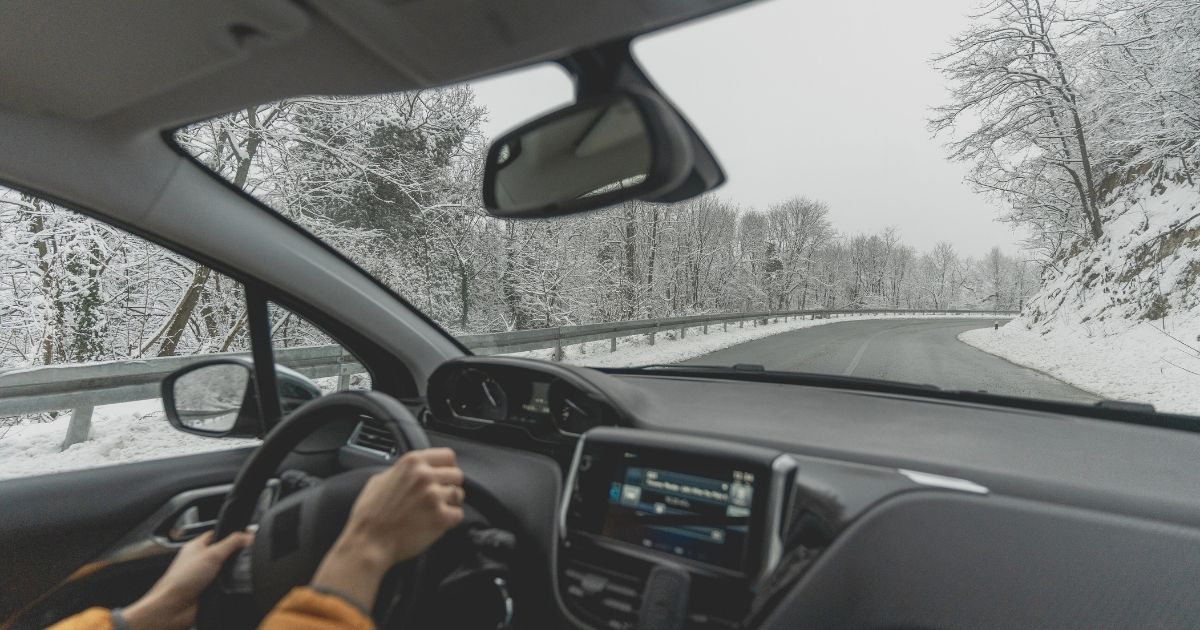
Winter driving conditions present particular challenges, with snow and ice common from December through March in many regions. Understanding seasonal driving requirements and safety preparations becomes crucial for digital nomads planning year-round road travel.
Seasonal driving challenges
Winter driving in the Czech Republic requires specialized preparation and equipment. Snow tires are mandatory from November 1st through March 31st when road conditions warrant their use, though the exact requirement depends on actual weather rather than calendar dates.
Many regions experience significant snowfall and freezing temperatures that can create hazardous driving conditions. Mountain areas, particularly near the German and Austrian borders, may require additional equipment like snow chains during severe weather events.
Urban vs rural driving
Driving in Czech cities presents unique challenges, including narrow medieval streets, limited parking, and complex one-way systems that can confuse GPS navigation. Prague’s historic center restricts vehicle access through various permit systems and time-based limitations.
Parking in major cities requires understanding local regulations and payment systems. Many areas use electronic payment systems or mobile apps, while others maintain traditional parking meters that may not accept international credit cards.
Practical tips for digital nomads
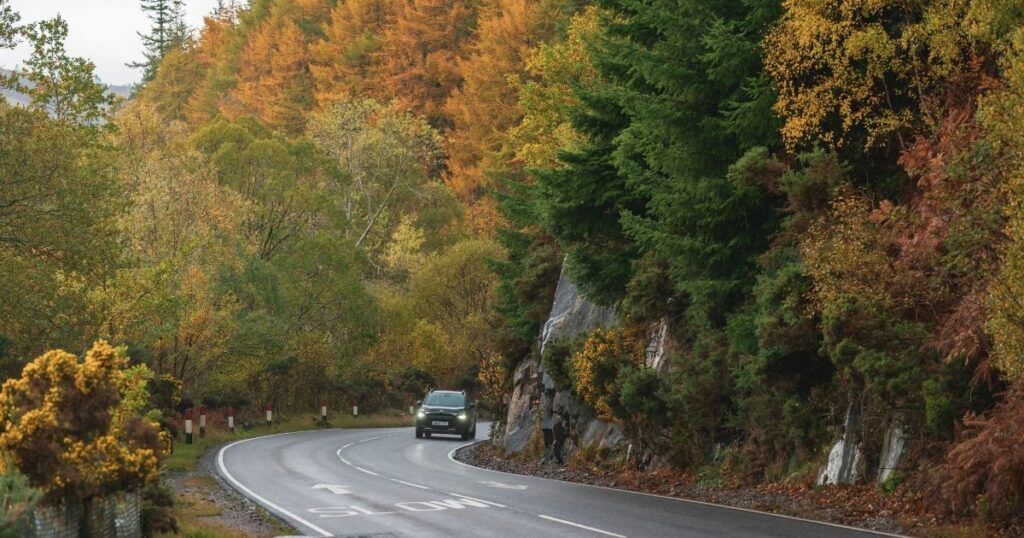
Digital nomads face unique considerations when driving in the Czech Republic, from securing reliable vehicle access to managing work schedules around travel plans. Understanding practical aspects like rental procedures, equipment storage, and connectivity requirements ensures the successful integration of driving into your nomadic lifestyle.
Vehicle rental and selection
Rental car availability in the Czech Republic is excellent, with major international companies operating alongside local providers. However, rental procedures and requirements may differ from other countries, particularly regarding documentation, deposits, and insurance coverage.
Major rental companies, including Hertz, Avis, and Budget, operate from Prague airport and city centers, while local companies often offer competitive rates. Consider vehicle size carefully based on your planned activities and equipment needs.
Work-travel balance
Successfully combining remote work with driving exploration requires careful planning of accommodation, connectivity, and work schedules. Many Czech towns offer excellent co-working spaces and reliable internet, making it possible to maintain productivity while exploring different regions.
Equipment security becomes crucial when leaving vehicles unattended during work sessions or overnight stays. Choose accommodations with secure parking and avoid leaving valuable equipment visible in vehicles.
Border crossings and practical tips
The Czech Republic’s central European location makes it an ideal base for exploring neighboring countries, with efficient border crossings that facilitate easy international travel for digital nomads seeking diverse experiences while maintaining a Czech base.
Neighboring country access
Driving from the Czech Republic to neighboring countries offers incredible opportunities for digital nomads to explore Austria’s Alpine regions, Germany’s historic cities, Slovakia’s mountains, and Poland’s cultural centers. Each border crossing presents different considerations regarding tolls, insurance, and local driving requirements.
Austria requires highway vignettes similar to the Czech system, while Germany operates toll-free highways for passenger vehicles. Slovakia uses a similar electronic toll system, and Poland maintains free highway access for most routes.
Documentation for international travel
Cross-border travel requires carrying complete documentation including driving license, IDP (if applicable), vehicle registration, insurance certificates, and passport. Some countries may require additional documentation or have specific requirements for foreign-registered vehicles.
Insurance coverage typically extends throughout the EU, but verify your policy’s geographic limitations and coverage levels for international travel. Some rental agreements restrict cross-border travel or require additional fees for international use.
Final thoughts
Mastering driving in the Czech Republic opens up incredible opportunities for digital nomads to explore Central Europe while maintaining productive remote work lifestyles. The country’s excellent infrastructure, strategic location, and manageable size make it ideal for combining work and travel.
Success requires understanding local regulations, seasonal challenges, and practical considerations that differ from other driving destinations. However, with proper preparation and awareness of Czech driving culture, nomads can safely navigate the country’s roads while discovering hidden gems and maintaining the flexibility that makes the nomadic lifestyle so appealing.
Ready to explore the Czech Republic and beyond with confidence? Understanding driving in the Czech Republic empowers digital nomads to discover Central Europe’s incredible diversity while maintaining work productivity and travel flexibility.
For comprehensive transportation guidance, explore Nomada’s best transport options for digital nomads to plan your perfect European adventure. Let Nomada guide you toward safe and successful driving experiences throughout your European journey! 🇨🇿
Frequently asked questions about driving in the Czech Republic
EU/EEA citizens can drive with their national license, while non-EU citizens require an International Driving Permit alongside their national license. The IDP must be obtained in your home country before travel and cannot be issued while abroad.
Electronic vignettes cost 310 CZK for 10 days, 440 CZK for one month, or 1,500 CZK annually for vehicles under 3.5 tons. Purchase online, at gas stations, or border crossings before entering toll roads to avoid fines.
Speed limits are 50 km/h in urban areas, 90 km/h on rural roads, and 130 km/h on highways. Limits can change based on conditions and construction zones, so always observe posted signage and be aware of extensive speed camera networks.
Most rental companies allow travel to neighboring EU countries, but verify your rental agreement and insurance coverage. Additional fees may apply, and some agreements restrict international travel or require advance notification.
Remain calm and provide the requested documentation, including license, IDP (if required), vehicle registration, insurance, and passport. Police may conduct random checks, especially near borders. Always carry complete documentation when driving in the Czech Republic.