
Pursuing international education represents one of life’s most transformative investments, yet financing overseas studies often presents significant financial challenges for students and families. Understanding the landscape of student loans abroad becomes crucial for accessing quality education opportunities that might otherwise remain financially out of reach.
The complexity of securing student loans abroad extends beyond simple borrowing, encompassing currency considerations, international banking relationships, and varying regulatory requirements across different countries. Students must navigate both home country lending options and destination country financial aid programs while considering long-term repayment implications.
🌟 Pro tip: begin researching student loans abroad at least 12-18 months before your intended study start date, as international loan processing and approval times are typically longer than domestic alternatives.
Types of student loans available for international study
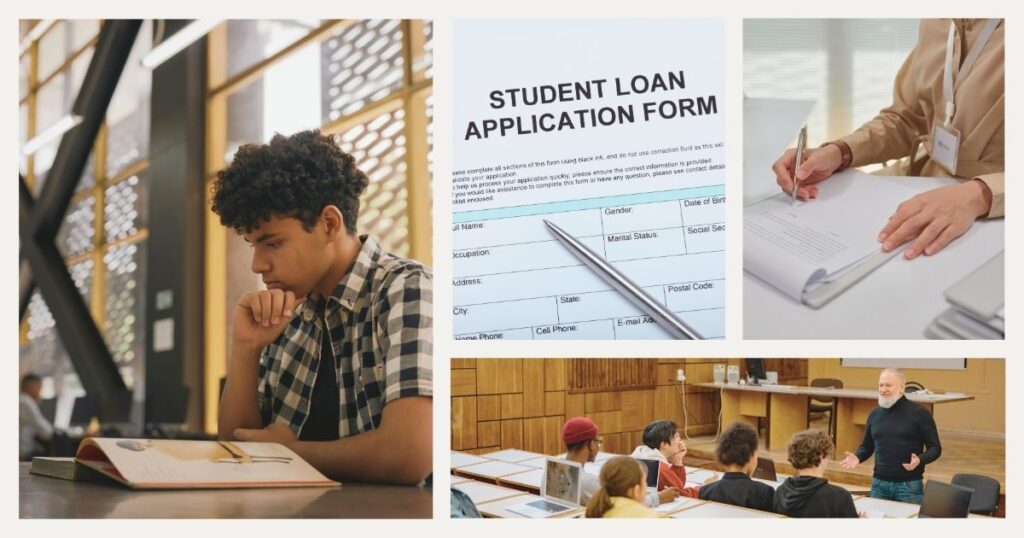
International students have access to various financing options, each with distinct requirements, benefits, and limitations. Understanding these different categories of student loans abroad helps students identify the most suitable financing combinations for their specific educational and financial circumstances.
Home country government-sponsored loans
Many governments offer specialized student loan programs designed to support citizens pursuing international education. These programs often provide favorable interest rates, flexible repayment terms, and government backing that reduces lending risk for financial institutions.
United States students can access federal student aid through the Free Application for Federal Student Aid (FAFSA) for approved international programs, while countries like Canada, Australia, and the United Kingdom maintain dedicated international study financing programs with competitive terms and conditions.
Government-sponsored student loans typically offer income-driven repayment plans, potential loan forgiveness programs, and protection against economic hardship that private lenders may not provide. These programs often require proof of enrollment in approved international institutions and maintenance of satisfactory academic progress.
Private international education loans
Private lenders increasingly offer student loans abroad, specifically designed for international education financing. These loans often feature higher borrowing limits, faster approval processes, and more flexible eligibility criteria compared to government-sponsored alternatives.
International private student loans may require co-signers, particularly for students without established credit histories or stable income sources. Interest rates and terms vary significantly between lenders, making thorough comparison shopping essential for securing optimal financing arrangements.
💡 Did you know? Some countries offer “study now, pay later” programs for international students that defer tuition payments until after graduation, effectively functioning as government-backed student loans with income-contingent repayment structures.
Eligibility requirements and application process
Securing student loans abroad involves meeting specific eligibility criteria that often differ from domestic education financing requirements. Understanding these requirements and preparing comprehensive application packages increases approval chances and expedites funding timelines.
Documentation and financial requirements
Applying for student loans abroad requires extensive documentation, including proof of enrollment, academic transcripts, financial statements, and often co-signer information for younger applicants without established credit histories.
International students must provide evidence of their educational program’s legitimacy, duration, and total costs, including tuition, living expenses, and additional fees associated with studying in foreign countries. Lenders typically require detailed budgets that account for currency fluctuations and varying cost-of-living standards.
Credit history requirements vary between lenders, with some offering student loans abroad for applicants with limited credit experience. Alternative credit assessment methods, including bank statements, employment history, and academic performance, may supplement traditional credit scoring approaches.
Application timeline and processing considerations
The application process for student loans abroad typically requires 4-8 weeks from submission to funding, though complex applications or additional documentation requests can extend timelines significantly. Students should plan accordingly to ensure funding availability before program commencement dates.
International education loan processing involves additional verification steps, including program approval, currency conversion arrangements, and coordination with destination country banking systems that can introduce delays beyond the applicant’s control.
Maintaining reliable communication during the application process becomes essential for addressing lender questions and coordinating funding disbursement across international banking systems. Holafly’s global communication solutions ensure uninterrupted connectivity for important calls with loan officers, document submissions, and time-sensitive communications that could affect funding approval and disbursement timing.
🌟 Pro tip: apply for multiple student loans simultaneously to increase approval chances and compare final terms, as international education financing approval rates can be lower than domestic alternatives.
Interest rates and repayment terms
Understanding the financial implications of student loans abroad requires careful analysis of interest rate structures, repayment options, and long-term costs that may be influenced by currency fluctuations and international economic conditions.
Fixed vs variable rate options
Student loans abroad are available with both fixed and variable interest rate structures, each offering distinct advantages depending on market conditions and borrower risk tolerance. Fixed rates provide payment predictability throughout the loan term, while variable rates may offer initial cost advantages with potential future increases.
International education loans may feature currency-specific interest rates that reflect the economic conditions and monetary policies of different countries. Students borrowing in foreign currencies face additional risk from exchange rate fluctuations that can significantly impact total repayment costs.
Repayment options and grace periods
Most student loans abroad offer grace periods that defer repayment until after program completion, allowing students to focus on their studies without immediate financial pressure. Grace period lengths vary between lenders, typically ranging from 6-12 months after graduation or program termination.
Income-driven repayment plans adjust monthly payments based on post-graduation earnings, particularly valuable for students pursuing international careers with varying income patterns or those facing challenging job markets in their chosen fields.
Country-specific programs and opportunities
Different destination countries offer unique financing opportunities and partnerships that can supplement traditional student loans abroad, creating comprehensive funding packages that make international education more accessible and affordable.
European Union education financing
European Union member countries provide various financing options for international students, including government-backed student loans, scholarship programs, and work-study opportunities that can reduce overall education costs significantly.
Countries like Germany, France, and the Netherlands offer favorable financing terms for international students in specific programs, while some EU nations provide free or low-cost education that minimizes borrowing requirements altogether.
Asian and pacific region options
Countries like Australia, New Zealand, and Singapore offer comprehensive international student support programs that include government-backed lending options, work permit provisions, and post-graduation employment opportunities that facilitate loan repayment.
Asian nations increasingly compete for international students through innovative financing programs, including income-share agreements, employer-sponsored education loans, and government partnerships that provide attractive alternatives to traditional student loans abroad.
Managing currency risk and international banking
Students utilizing student loans abroad must navigate complex currency considerations and international banking relationships that can significantly impact both borrowing costs and repayment strategies throughout their educational and professional careers.
Currency hedging strategies
Exchange rate fluctuations can dramatically affect the real cost of student loans abroad, particularly for students borrowing in foreign currencies or those planning international careers with multi-currency income streams.
Some students employ currency hedging strategies, including forward contracts or currency options, to protect against adverse exchange rate movements, though these sophisticated financial instruments require careful consideration and often professional guidance.
International banking relationships
Establishing banking relationships in both home and destination countries facilitates easier management of student loans abroad, enabling efficient fund transfers, payment processing, and financial planning across multiple jurisdictions.
Digital banking solutions increasingly offer multi-currency account options and international payment capabilities that streamline the administrative burden of managing student loans while studying and living in foreign countries.
💡 Did you know? Some international banks offer special student banking packages that include preferential exchange rates, reduced fees, and dedicated support services specifically designed for students managing education financing across multiple countries.
Alternative financing options

Beyond traditional student loans, innovative financing mechanisms are emerging that provide additional options for funding international education while potentially offering more favorable terms or unique benefits.
Income share agreements and flexible financing
Income Share Agreements (ISAs) represent an innovative alternative to traditional student loans abroad, where students receive funding in exchange for paying a percentage of future income for a specified period rather than fixed loan payments.
These arrangements can provide downside protection for students entering uncertain job markets or pursuing careers with variable income patterns, as payments automatically adjust based on actual earning capacity rather than predetermined loan terms.
Crowdfunding and peer-to-peer lending
Digital platforms enable students to access crowdfunding opportunities for international education, allowing family, friends, and supporters to contribute to education costs through organized online campaigns.
Peer-to-peer lending platforms connect students with individual investors willing to provide education financing, often at competitive rates compared to traditional institutional lenders offering student loans abroad.
🌟 Pro tip: maintain detailed records of all education-related expenses and loan payments in multiple currencies, as these records may provide valuable tax benefits and support loan forgiveness applications years after graduation.
Planning your international education financing requires careful consideration of multiple factors beyond simple borrowing needs. Understanding the full spectrum of options for student loans abroad enables better financial decisions that support both educational goals and future career flexibility.
For broader guidance on international finance management, explore our digital nomad finance resources and visit Nomada for additional guidance on managing international financial challenges. 🎓
Frequently asked questions about student loans abroad
Yes, some lenders offer student loans abroad without co-signer requirements, though options may be limited and typically feature higher interest rates. International students can explore government-backed programs, specialized lenders focusing on international education, or alternative financing options like Income Share Agreements that don’t require traditional credit qualifications.
Currency fluctuations can significantly impact student loan repayment costs. If you borrow in a foreign currency but earn in your home currency, exchange rate changes can increase or decrease your effective payment amounts. Consider natural hedging by planning careers in your loan currency country, or explore financial instruments to manage currency risk.
Loan forgiveness eligibility varies by lender and program type. Government-sponsored student loans abroad may qualify for public service loan forgiveness or income-driven repayment forgiveness, while private loans typically don’t offer forgiveness options. Some countries provide loan forgiveness for graduates who remain and work in specific sectors after completing their studies.
Refinancing options exist for student loans abroad, though choices may be limited compared to domestic education loans. Some international lenders offer refinancing programs, and graduates may be able to refinance through domestic lenders in their home countries. Consider refinancing when interest rates decline or when your credit profile improves significantly.
Payment difficulties on student loans should be addressed immediately with your lender. Options may include deferment, forbearance, income-driven repayment plans, or loan modification programs. Some lenders offer hardship programs specifically designed for international circumstances, like employment visa issues or economic crises.