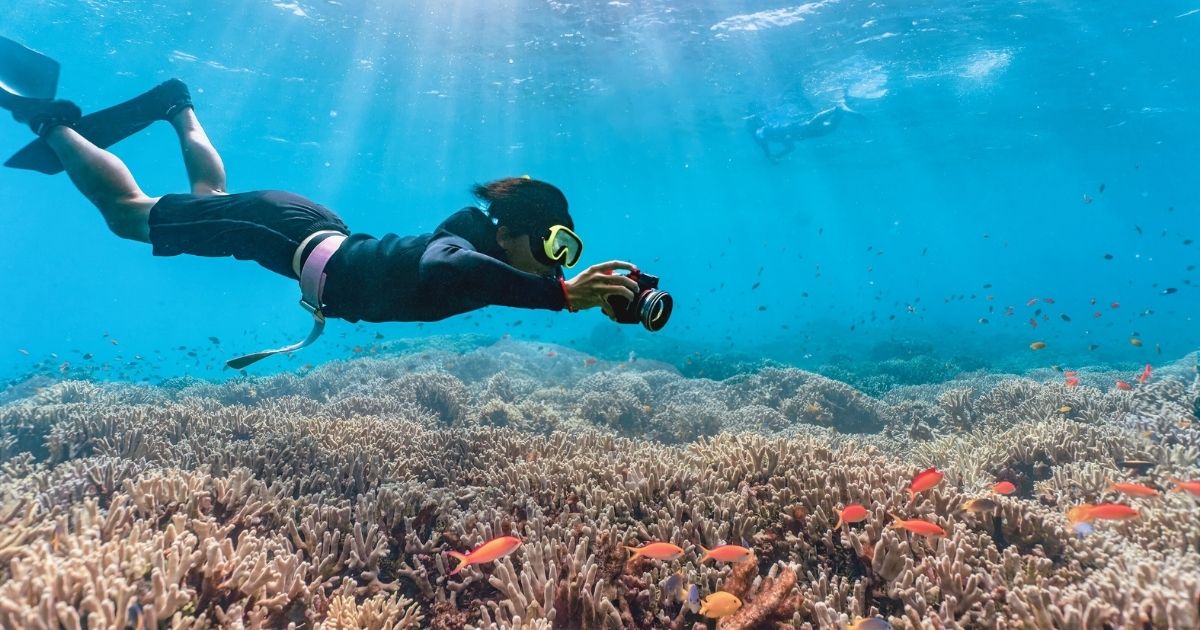
Imagine descending into crystal-clear tropical waters where vibrant coral reefs teem with exotic marine life, manta rays glide gracefully overhead, and colorful fish dart between ancient shipwrecks. Bali offers some of the world’s most spectacular diving experiences, making it the perfect destination to earn your diving certification while exploring Indonesia’s underwater paradise.
The island’s diverse dive sites cater to all skill levels, from shallow coral gardens perfect for beginners to challenging drift dives that thrill experienced divers. With year-round diving conditions, world-class dive schools, and affordable pricing, Bali has established itself as a premier destination for diving education and underwater exploration.
Whether you’re a complete beginner looking to take your first breaths underwater or an experienced diver seeking advanced certifications, Bali’s diving course industry provides comprehensive training programs and unforgettable marine encounters.
Understanding diving certifications and course options
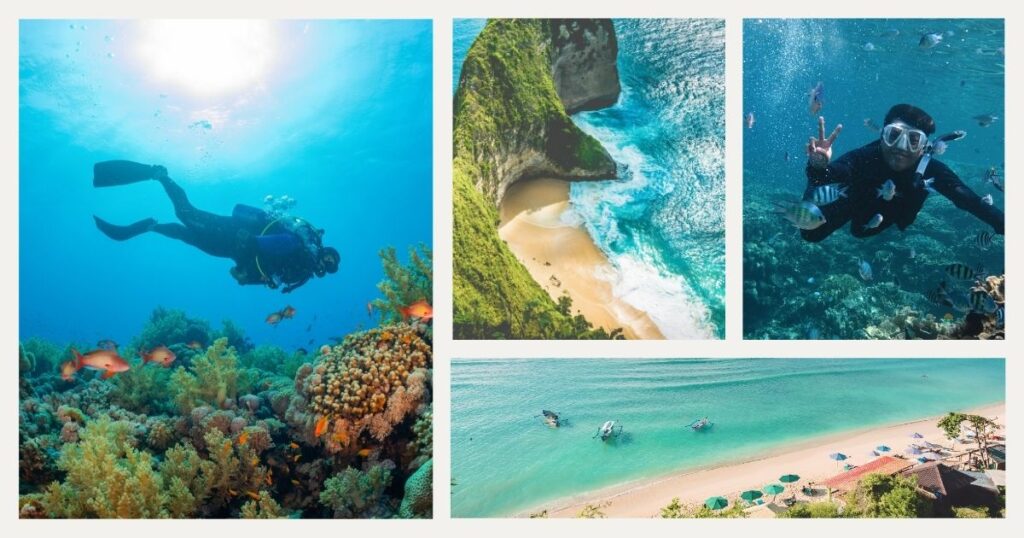
Before enrolling in a Bali diving course, it’s essential to understand the different certification levels and training organizations that operate on the island. The most recognized certification agencies include PADI (Professional Association of Diving Instructors), SSI (Scuba Schools International), and NAUI (National Association of Underwater Instructors).
PADI dominates Bali’s diving education landscape, with most dive centers offering PADI-certified courses ranging from beginner Open Water to professional-level Divemaster and Instructor certifications. The standardized curriculum ensures consistent quality and global recognition of your certification.
The progression typically begins with Open Water Diver certification, allowing dives to 18 meters with a certified professional. Advanced Open Water extends this to 30 meters and introduces specialty skills, while Rescue Diver focuses on emergency management and diver safety.
Course duration varies by certification level, with Open Water typically requiring 3-4 days, Advanced Open Water 2-3 days, and Rescue Diver 3-5 days. Professional courses can take several weeks to complete.
💡 Did you know? PADI certifications are recognized worldwide, meaning your Bali diving course credentials will be valid at dive centers globally, opening doors to underwater exploration in oceans, lakes, and rivers around the world.
Popular dive sites for training and certification
Bali’s diverse underwater topography provides ideal training environments for every certification level, with protected bays for beginners and challenging sites for advanced training.
Beginner-friendly training sites
Tulamben offers Bali’s most famous training location, featuring the USAT Liberty shipwreck in shallow, calm waters perfect for building confidence and skills. The wreck lies in 3-30 meters of water, allowing progressive skill development as students advance through certification levels.
Padang Bai provides another excellent training environment with its protected bay and diverse marine life. The calm conditions and easy beach entry make it ideal for confined water training and first open water experiences.
Sanur Beach offers convenient shore diving with gentle currents and good visibility, making it popular for basic certification courses. The sandy bottom and gradual depth increase provide comfortable environments for nervous beginners.
Advanced training locations
Nusa Penida challenges advanced students with strong currents, dramatic topography, and large pelagic species, including manta rays and mola mola (sunfish). These conditions provide excellent environments for drift diving training and deep diving certifications.
Amed’s volcanic underwater landscape offers wall diving experiences and diverse marine ecosystems perfect for underwater navigation and naturalist specialty courses.
🌟 Pro tip: choose dive centers that use multiple training locations rather than limiting instruction to a single site. Varied environments better prepare you for diving conditions you’ll encounter worldwide.
Choosing the right dive center
Selecting a reputable dive center significantly impacts your certification experience, safety, and long-term diving enjoyment. Research dive centers thoroughly before making commitments, especially for multi-day certification courses.
Key factors to consider
Instructor qualifications should be your primary consideration when evaluating dive centers. Look for PADI Master Scuba Diver Trainers (MSDT) or Course Directors with extensive teaching experience and strong safety records. Experienced instructors provide better training and can handle emergency situations more effectively.
Equipment quality and maintenance directly impact safety and comfort during training. Reputable centers maintain modern, well-serviced equipment and replace gear regularly. Group sizes affect the quality of individual attention you’ll receive during training.
Safety protocols and emergency procedures should be clearly established and communicated. Professional dive centers maintain emergency oxygen, first aid equipment, and clear evacuation procedures.
Certification costs and value
A typical Bali diving course costs vary significantly based on certification level, group size, and included services. Open Water certification ranges from $300-450 USD, Advanced Open Water $250-350 USD, and Rescue Diver $350-450 USD.
Compare what’s included in quoted prices, as some centers offer comprehensive packages while others charge separately for equipment, certification fees, and materials. Consider the long-term value of quality training over minimal cost savings.
For staying connected while pursuing your diving certification and sharing underwater adventures, Holafly’s marine-ready connectivity solutions ensure you can research dive conditions, communicate with dive centers, and share your certification achievements without worrying about waterproof equipment or local SIM card complications.
Course structure and training process
Understanding the typical structure of diving certification courses helps you prepare mentally and physically for the training experience while setting realistic expectations for time commitments.
Theoretical learning components
Every Bali diving course begins with theoretical knowledge development covering diving physics, physiology, equipment, and safety procedures. Modern courses utilize e-learning platforms that allow students to complete theoretical portions before arriving in Bali, maximizing time for practical training.
Knowledge reviews and quizzes ensure understanding of critical safety concepts before progressing to water-based training. The final exam typically consists of 50 multiple-choice questions with a passing score of 75%.
Confined water training
Confined water sessions take place in swimming pools or shallow, protected water areas where students learn fundamental diving skills in controlled environments. Key skills include mask clearing, regulator recovery, controlled emergency swimming ascents, and underwater communication.
Students practice these skills repeatedly until they can perform them comfortably and automatically, as these abilities may be needed in emergency situations.
Open water training dives
Open water training consists of 4-6 dives where students apply classroom knowledge and confined water skills in real diving conditions. Each dive focuses on specific skill development, from basic buoyancy control and navigation to emergency procedures and advanced techniques.
Dive depths progress gradually from shallow depths for initial dives to maximum certification depths for final training dives.
Marine life and safety considerations
One of the most rewarding aspects of pursuing a Bali diving course involves encountering the island’s incredible marine biodiversity while learning essential safety protocols for underwater exploration.
Coral reef ecosystems and marine encounters
Bali’s coral reefs showcase the incredible diversity of Indo-Pacific marine life, providing opportunities to observe complex ecological relationships during training dives. Students learn to identify common coral species and practice low-impact diving techniques that protect these fragile environments.
Bali’s waters host numerous large marine animals, including manta rays at Nusa Penida, whale sharks in eastern waters, and various shark species that provide opportunities to observe marine megafauna in their natural habitats.
💡 Did you know? Bali’s location in the Coral Triangle, the global center of marine biodiversity, means training dives expose students to more species diversity than diving courses in most other locations worldwide.
Medical considerations and safety protocols
All students must complete medical questionnaires before beginning diving courses, with some conditions requiring physician approval. Physical fitness requirements aren’t extreme, but students should be comfortable swimming and treading water for extended periods.
Professional dive centers maintain comprehensive emergency action plans covering various scenarios from minor injuries to serious diving accidents. Emergency equipment includes oxygen administration systems, first aid supplies, and communication devices.
Continuing education and specialty courses

Completing basic certification represents just the beginning of your diving education journey, with numerous specialty courses and continuing education opportunities available in Bali.
Specialty certifications
Underwater photography courses capitalize on Bali’s incredible marine life and excellent visibility to teach composition, lighting, and equipment techniques. Night diving specialties introduce students to nocturnal marine environments when familiar dive sites transform completely.
Deep diving courses extend depth limits to 40 meters while teaching planning, safety, and nitrogen narcosis management techniques necessary for exploring deeper wrecks and walls safely.
Professional development
Divemaster certification represents the first professional level, teaching leadership skills, dive supervision, and group management techniques. Instructor certifications enable teaching diving courses and sharing your passion for underwater exploration with new generations of divers.
🌟 Pro tip: complete specialty courses in Bali, where diverse dive sites and experienced instructors provide excellent learning environments, then continue your diving education worldwide using the foundation built during your Indonesian training.
Final thoughts on your Bali diving certification journey
Pursuing a Bali diving course offers more than just technical certification—it provides gateway access to one of Earth’s most spectacular underwater environments while building skills and confidence that will enhance your diving experiences worldwide. The combination of world-class instruction, diverse training sites, and incredible marine life creates learning experiences that extend far beyond basic diving competency.
Choose your training carefully, prioritizing safety and quality instruction over cost savings. The skills and habits developed during certification courses affect your diving safety and enjoyment for years to come, making thorough education essential for long-term diving success.
The underwater world offers endless opportunities for exploration, discovery, and adventure. Your Bali diving certification provides the foundation for a lifetime of underwater experiences that will continually amaze and inspire you.
For comprehensive guidance on legal requirements for extended stays in Indonesia while pursuing diving certifications, explore Indonesia’s digital nomad visa options to ensure you can legally enjoy Bali’s incredible diving opportunities during longer training programs.
For more comprehensive guidance on living and working in Indonesia while pursuing diving interests, check out Nomada’s complete Indonesia resources to enhance every aspect of your island experience.Ready to explore Bali’s underwater paradise?
Let Nomada guide you through every aspect of your Indonesian diving adventure with expert advice, practical resources, and insider knowledge to make your certification dreams come true 🤿
Frequently asked questions about how to get a diving certification in Bali
Basic Open Water certification typically takes 3-4 days, Advanced Open Water requires 2-3 days, and Rescue Diver takes 3-5 days. The exact duration depends on your learning pace, weather conditions, and course schedule. Many students complete eLearning theoretical components before arriving to maximize practical training time.
Open Water certification costs $300-450 USD, Advanced Open Water $250-350 USD, and Rescue Diver $350-450 USD. Prices vary based on group size, included equipment, and dive center reputation. Professional-level courses cost significantly more due to extended duration and specialized requirements.
No prior diving experience is required for Open Water certification. However, you should be comfortable swimming and treading water. Most courses include swimming assessments to ensure adequate water skills before underwater training begins.
Most courses include instruction, equipment rental, certification fees, and training materials. However, some centers charge separately for items like logbooks or certification cards. Compare what’s included when evaluating prices, as comprehensive packages often provide better overall value.
Yes, PADI, SSI, and other major certification agencies operating in Bali provide globally recognized credentials. Your certification will be valid at dive centers worldwide, though some locations may require additional checkout dives to assess your skills in local conditions.
Essential items include swimwear, a towel, sunscreen, a logbook (if you have one), and medical clearance (if required). Most dive centers provide all equipment, but you may want to bring your own mask for a better fit. Reef-safe sunscreen is important for environmental protection.