Planning your first trip to the Island of the Gods requires understanding essential Bali travel tips that can make the difference between a good vacation and an unforgettable adventure. From navigating cultural customs and transportation options to managing your budget and staying safe, these insider insights help first-time visitors avoid common pitfalls while maximizing their Indonesian experience.
Bali’s unique blend of ancient traditions, stunning landscapes, and modern amenities creates both incredible opportunities and potential challenges for newcomers. These carefully curated Bali travel tips address the most important aspects of visiting this tropical paradise, ensuring you’re well-prepared for everything from temple etiquette and traffic patterns to currency exchange and weather considerations.
Transportation and getting around
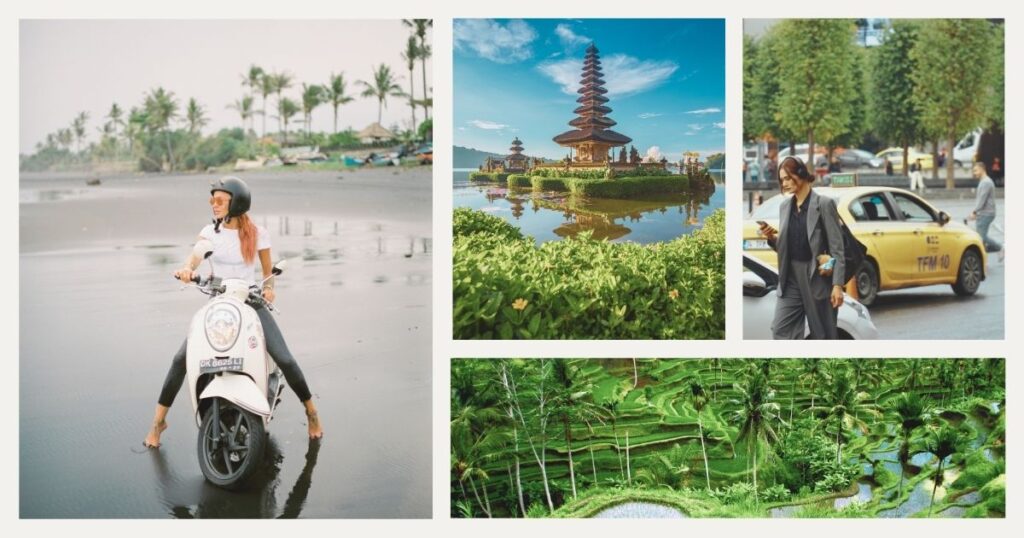
Understanding transportation options forms the foundation of successful travel in Bali, as the island’s infrastructure and traffic patterns differ significantly from most Western destinations. These essential Bali travel tips for getting around help first-timers navigate the island efficiently and safely.
💡 Did you know? Bali’s traffic moves on the left side of the road, following British colonial influence, and peak hours can extend a 30-minute journey to over 2 hours. Most locals use motorcycles to navigate congestion, making scooter rental a popular option for tourists seeking flexibility and efficiency.
Scooter rental and driving safety
Renting a scooter provides the most flexible and economical transportation option for exploring Bali, though it requires careful consideration of safety and legal requirements. International driving permits are mandatory for legal scooter operation, and most rental agencies require permit verification before releasing vehicles.
Always wear helmets, avoid riding during heavy rain, and consider your experience level honestly before committing to scooter transportation, particularly in busy tourist areas where traffic complexity increases dramatically.
Ride-sharing and taxi services
Grab and Gojek dominate Bali’s ride-sharing market, providing reliable and affordable transportation options with upfront pricing that eliminates bargaining concerns. Traditional taxis operate throughout Bali but often lack meters, requiring price negotiation before departure.
🌟 Pro tip: stay connected throughout your Bali adventures with Holafly’s reliable mobile connectivity solutions, ensuring you can always access ride-sharing apps, navigation services, and emergency contacts without worrying about expensive roaming charges or unreliable local SIM cards.
Private drivers and tours
Hiring private drivers offers convenience and local knowledge for day trips and airport transfers, particularly valuable for groups or travelers uncomfortable with independent navigation. Daily driver rates typically range from $25-40 depending on distance and duration.
Cultural etiquette and customs
Respecting Balinese culture enhances your travel experience while demonstrating consideration for local traditions and beliefs. These important Bali travel tips help visitors navigate cultural nuances with sensitivity and appreciation.
Temple visits and religious practices
Temple visits require modest dress covering shoulders and knees, with sarongs and sashes often provided at temple entrances. Remove shoes before entering temple buildings and maintain respectful behavior throughout your visit. Always ask permission before photographing people engaged in prayer or religious activities.
Social interactions and behavior
Balinese people appreciate politeness and gentle communication styles, with direct confrontation considered inappropriate. Learning basic Indonesian phrases like “terima kasih” (thank you) demonstrates respect and often results in warmer interactions.
Public displays of affection should be minimized, particularly in religious areas where conservative values predominate. Pointing with index fingers is considered rude, with open-handed gestures preferred for indicating directions.
Appropriate dress and behavior
Beach attire remains appropriate only at beaches and pools, with more conservative clothing expected in temples, traditional villages, and religious ceremonies. Covering shoulders and wearing longer shorts shows respect for local customs.
Money and currency exchange
Understanding Bali’s currency system and banking infrastructure helps manage travel finances effectively while avoiding common scams and unnecessary fees. These practical Bali travel tips ensure smooth financial transactions throughout your stay.
ATM usage and banking
ATMs provide convenient currency access with generally favorable exchange rates, though withdrawal fees and daily limits require consideration for budget planning. International debit cards work at most ATMs, though notifying your bank of travel plans prevents card blocking.
ATM availability varies between tourist areas and rural locations, with some remote areas lacking reliable banking infrastructure that requires advance cash planning.
Money changers and exchange rates
Authorized money changers offer competitive exchange rates and legitimate transactions, while unofficial changers may use counterfeit currency or short-changing techniques. Stick to established businesses with clear rate displays and proper licenses.
Count money carefully before leaving exchange counters and verify the authenticity of received notes, as counterfeit currency occasionally circulates in tourist areas.
Tipping and price negotiation
Tipping practices in Bali differ from Western standards, with small tips appreciated but not obligatory in most service situations. Bargaining is expected in traditional markets, but approach negotiations respectfully with reasonable starting offers.
Weather and seasonal considerations

Bali’s tropical climate creates distinct seasons that significantly impact travel experiences, from rainfall patterns to crowd sizes and pricing. These seasonal Bali travel tips help optimize timing for various activities and preferences.
Dry season vs rainy season
The dry season from April to October offers predictable weather with minimal rainfall, ideal for outdoor activities and beach time. However, this period corresponds with peak tourist season, resulting in higher prices and larger crowds.
The rainy season from November to March brings afternoon downpours and higher humidity, though mornings often remain clear. This period offers lower accommodation prices and fewer crowds, though weather unpredictability requires flexible planning.
Packing essentials for climate
Lightweight, breathable clothing in natural fabrics helps manage tropical heat and humidity. Rain protection, including ponchos or travel umbrellas, proves essential during the rainy season. Sun protection through high-SPF sunscreen, hats, and UV-protective clothing prevents painful sunburn.
Activity planning by season
Beach activities and water sports perform best during the dry season when consistent sunshine provides optimal conditions. Cultural activities occur year-round but may require weather contingency planning during the rainy season when outdoor ceremonies might be modified.
Health and safety precautions
Maintaining health and safety during your Bali visit requires understanding local conditions and health risks that may differ from your home country. These preventive Bali travel tips help ensure a healthy and secure travel experience.
Water and food safety
Tap water in Bali isn’t safe for drinking and should be avoided for consumption, teeth brushing, and ice consumption. Bottled water provides the safest option, with refillable bottles reducing environmental impact while maintaining safety.
Street food can be delicious, but it requires careful vendor selection. Choose vendors with high turnover, proper food storage, and clean preparation areas to minimize foodborne illness risk.
Sun protection and heat management
Tropical sun intensity requires aggressive sun protection, including frequent sunscreen application, protective clothing, and limiting midday sun exposure. Heat exhaustion poses real risks, so maintain constant hydration and recognize early warning signs.
Emergency contacts and medical care
International hospitals in tourist areas provide Western-standard medical care with English-speaking staff, though costs can be substantial without travel insurance. Travel insurance becomes essential for covering potential medical costs and emergency evacuation expenses.
Accommodation and area selection

Choosing the right location and accommodation type significantly impacts your Bali experience, influencing daily convenience, activity access, and budget management. These strategic Bali travel tips help optimize accommodation decisions.
Popular areas and their characteristics
Seminyak offers upscale beach clubs, sophisticated dining, and luxury accommodations but commands premium prices. This area suits travelers seeking refined beach experiences and high-end amenities.
Ubud provides cultural immersion, wellness activities, and artistic experiences in a jungle setting away from beaches. This area attracts visitors interested in yoga, traditional arts, and spiritual experiences.
Canggu combines surf culture, digital nomad communities, and beachfront lifestyle with more affordable options than Seminyak but still convenient beach access.
Budget vs luxury options
Budget accommodations including guesthouses and basic hotels provide affordable options starting around $10-25 per night, often including breakfast and basic amenities. Mid-range properties offer enhanced comfort and amenities for $40-100 per night. Luxury resorts provide premium experiences starting around $150+ per night.
Booking strategies and timing
Advance booking during peak season ensures availability, while last-minute booking during low season may provide significant savings. Location proximity to activities reduces transportation costs, making slightly higher accommodation costs worthwhile for prime locations.
Final thoughts
These essential Bali travel tips provide the foundation for a successful first visit to Indonesia’s most famous island, helping you navigate cultural differences, practical challenges, and planning decisions with confidence. From understanding transportation options and cultural etiquette to managing finances and staying safe, proper preparation ensures you can focus on enjoying Bali’s incredible beauty and rich cultural heritage.
Remember that flexibility and openness to new experiences enhance any travel adventure, while these practical insights help you avoid common pitfalls and make informed decisions throughout your journey. Bali rewards respectful, well-prepared visitors with unforgettable experiences that often inspire return visits and deeper cultural exploration.
For comprehensive budget planning and destination insights that complement these essential travel tips, explore Nomada’s guide to the cheapest cities for digital nomads for vauable money-saving strategies that apply to Bali travel.
Ready to experience the magic of Bali? Start planning your perfect Indonesian adventure with expert guidance and travel resources from Nomada to ensure your first visit exceeds all expectations! 🌴
Frequently asked questions about Bali travel tips for first-timers
The dry season from April to October offers the most predictable weather and best conditions for outdoor activities, making it ideal for first-time visitors. However, this is also peak tourist season with higher prices and crowds. The shoulder months of April-May and September-October provide excellent weather with fewer crowds and better value.
No special vaccinations are required for Bali, though routine vaccinations like hepatitis A, hepatitis B, and typhoid are recommended. Japanese encephalitis vaccination may be considered for extended stays or rural travel. Consult your doctor 4-6 weeks before travel for personalized medical advice based on your health history and planned activities.
Daily budgets vary significantly based on travel style. Budget travelers can manage on $25-40 per day, including accommodation, meals, and transportation. Mid-range travelers typically spend $50-100 per day, while luxury travelers may spend $150-300+ per day. Costs vary by location, with popular areas like Seminyak commanding higher prices than rural areas.
No, tap water in Bali is not safe for drinking. Always use bottled water for drinking, brushing teeth, and making ice. Many accommodations provide complimentary bottled water, and refillable bottles with proper filtration systems offer environmentally friendly alternatives while maintaining safety.
Temple visits require modest dress covering shoulders and knees. Sarongs and sashes are often provided or available for rent at temple entrances. Remove shoes before entering temple buildings and avoid revealing clothing. Long pants or skirts and sleeved shirts show appropriate respect for religious sites.