Picture yourself savoring a steaming bowl of nasi goreng at a local warung for less than the price of a coffee back home, or indulging in a gourmet beachfront dinner that costs a fraction of what you’d pay in Western cities. Bali’s food scene offers incredible variety and value, but understanding the pricing landscape helps you make informed decisions about your dining budget.
Whether you’re a budget backpacker or a digital nomad seeking the perfect balance between authentic experiences and comfort dining, having the answer to the question “how much is food in Bali” empowers you to eat well without breaking the bank. From street-side satay vendors to upscale resort restaurants, the island caters to every taste and budget.
This comprehensive guide breaks down food costs across all categories, from local warungs serving authentic Indonesian cuisine to international restaurants catering to global palates.
Understanding Bali’s food price structure

When exploring how much food is in Bali, it’s essential to understand the dramatic price variations across different dining categories. The island’s food scene operates on multiple levels, each serving different markets and offering vastly different value propositions.
Local warungs (small family-run restaurants) represent the most affordable dining option, typically serving authentic Indonesian dishes at prices that seem almost unbelievable to Western visitors. These establishments form the backbone of Bali’s food culture and offer the best value for money.
Tourist-oriented restaurants in popular areas like Seminyak, Canggu, and Ubud charge significantly higher prices while often serving fusion cuisine or international dishes. The same dish can cost 3-5 times more in these locations compared to local establishments.
Upscale dining venues, beach clubs, and resort restaurants command premium prices comparable to major Western cities, but often provide stunning settings, exceptional service, and high-quality ingredients.
💡 Did you know? The location within Bali significantly impacts food prices, with beachfront restaurants in Seminyak charging up to 10 times more than similar establishments in local neighborhoods just a few kilometers inland.
Street food and local warung prices
Street food and local warungs offer the most authentic and affordable way to experience Bali’s culinary culture while providing exceptional value for budget-conscious travelers.
Traditional Indonesian dishes
How much is food in Bali? It all starts with exploring traditional Indonesian staples available at local warungs. Nasi goreng (fried rice) typically costs 15,000-25,000 IDR ($1-1.50 USD), while mie goreng (fried noodles) ranges from 12,000-20,000 IDR ($0.80-1.30 USD).
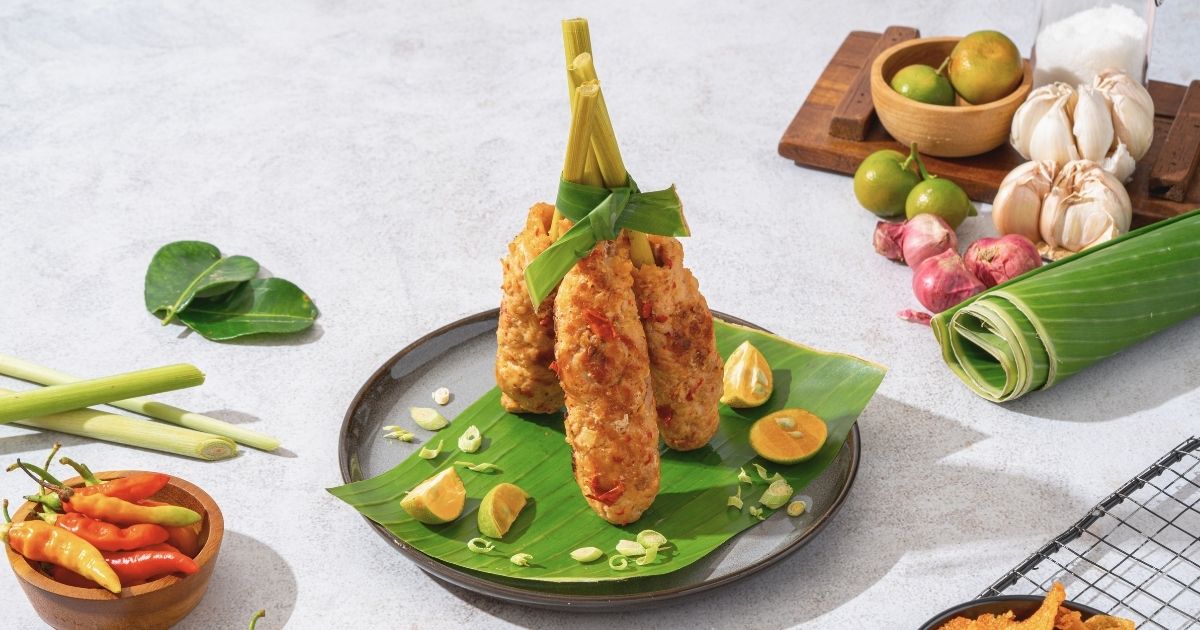
Gado-gado, a popular vegetable salad with peanut sauce, usually costs 18,000-30,000 IDR ($1.20-2 USD). Satay skewers vary in price depending on the meat type, with chicken satay costing 2,000-3,000 IDR per stick ($0.13-0.20 USD) and beef commanding 3,000-5,000 IDR per stick ($0.20-0.33 USD).
Traditional soups like soto ayam (chicken soup) or bakso (meatball soup) typically range from 15,000-25,000 IDR ($1-1.60 USD) for a filling bowl that constitutes a complete meal.
Street food snacks and beverages
Street food snacks provide excellent value for quick bites. Pisang goreng (fried bananas) cost approximately 5,000-8,000 IDR ($0.33-0.53 USD) for a generous portion. Fresh fruit from street vendors offers exceptional value, with tropical fruits costing 10,000-15,000 IDR ($0.65-1 USD).
Traditional beverages like es teh (iced tea) cost 5,000-10,000 IDR ($0.33-0.65 USD), while fresh fruit juices range from 15,000-25,000 IDR ($1-1.60 USD).
🌟 Pro tip: always observe local warungs during meal times to identify popular spots with high turnover, ensuring fresh food and authentic local prices rather than tourist-inflated rates.
Mid-range restaurant and café pricing
Mid-range dining establishments cater to tourists and locals seeking comfortable environments with diverse menu options.
International cuisine options
When considering how much food is in Bali at mid-range establishments, international cuisine typically costs significantly more than local dishes. Pizza at tourist-oriented restaurants ranges from 80,000-150,000 IDR ($5.30-10 USD), while pasta dishes cost 60,000-120,000 IDR ($4-8 USD).
Western breakfast options like eggs Benedict or pancakes typically range from 65,000-100,000 IDR ($4.30-6.60 USD). Burgers at mid-range establishments cost 70,000-130,000 IDR ($4.60-8.60 USD), often including fries.
Healthy options and café culture
Bali’s health-conscious dining scene offers numerous organic options, though prices reflect premium ingredients. Açai bowls typically cost 65,000-95,000 IDR ($4.30-6.30 USD), while fresh salads range from 55,000-85,000 IDR ($3.60-5.60 USD).
Local coffee (kopi) at traditional establishments costs 8,000-15,000 IDR ($0.53-1 USD), while specialty coffee at trendy cafes ranges from 25,000-45,000 IDR ($1.60-3 USD). Espresso-based drinks cost 30,000-50,000 IDR ($2-3.30 USD) at mid-range cafes.
For digital nomads needing reliable internet while exploring Bali’s diverse food scene, consider Holafly’s convenient eSIM solutions to stay connected while discovering hidden culinary gems and sharing your foodie adventures across the island.
Upscale dining and resort restaurant costs
Luxury dining in Bali rivals international standards in both quality and pricing, offering world-class culinary experiences in stunning tropical settings.
Fine dining establishments
High-end restaurants charge premium prices reflecting their sophisticated cuisine and exceptional service. Appetizers at fine dining establishments typically range from 120,000-200,000 IDR ($8-13 USD), while main courses cost 250,000-450,000 IDR ($16.50-30 USD).
Tasting menus at renowned restaurants like Locavore in Ubud range from 800,000-1,500,000 IDR ($53-100 USD) per person, showcasing innovative Indonesian cuisine with international techniques.
Beach clubs and resort dining
Beach clubs combine dining with entertainment and stunning ocean views, commanding premium prices. Main dishes at popular beach clubs range from 180,000-350,000 IDR ($12-23 USD), while resort restaurants often charge 200,000-500,000 IDR ($13-33 USD) for main courses.
Cocktails at upscale venues cost 120,000-200,000 IDR ($8-13 USD), reflecting import duties on premium spirits.
💡 Did you know? Many upscale restaurants offer significantly discounted lunch menus or early bird dinner specials, allowing budget-conscious diners to experience high-end cuisine at more affordable prices.
Grocery shopping and self-catering costs
Understanding grocery prices helps long-term visitors and digital nomads budget for self-catering options, particularly useful for extended stays.
Local markets vs supermarkets
Traditional markets offer the best prices for fresh produce. Rice costs approximately 12,000-15,000 IDR ($0.80-1 USD) per kilogram, while fresh vegetables like tomatoes and onions typically cost 8,000-15,000 IDR ($0.53-1 USD) per kilogram. Chicken costs 35,000-45,000 IDR ($2.30-3 USD) per kilogram.
Modern supermarkets offer convenience but at significantly higher prices. When examining how much is food in Bali at supermarkets, expect to pay 50-100% more than local market prices for similar items.
Imported goods carry substantial markups due to import duties. Breakfast cereals typically cost 80,000-150,000 IDR ($5.30-10 USD) per box, while imported cheese ranges from 120,000-250,000 IDR ($8-16.50 USD) per kilogram.
🌟 Pro tip: shop at local markets in the morning for the freshest produce and best selection, then supplement with supermarket visits for packaged goods you can’t find elsewhere.
Regional price variations and budget planning

Food costs vary dramatically across different regions of Bali, with tourist density being a primary factor in pricing differences.
Tourist areas vs local neighborhoods
South Bali areas like Seminyak and Canggu feature the highest food prices due to intense tourist activity. Restaurants in these areas typically charge 200-300% more than equivalent establishments in less touristy regions.
Denpasar, Bali’s capital, offers authentic local pricing with minimal tourist markup. The same meal that costs 25,000 IDR ($1.60 USD) in Denpasar might cost 75,000 IDR ($5 USD) in nearby tourist areas.
East and North Bali regions like Amed and Lovina maintain traditional pricing structures, offering excellent value for travelers willing to explore beyond the main tourist circuit.
Budget planning for different travel styles
Understanding how much food is in Bali across different spending categories helps travelers plan realistic budgets. Ultra-budget travelers can maintain daily food costs as low as $3-5 USD by eating exclusively at local warungs.
Mid-range travelers typically spend $15-25 USD daily, allowing for a combination of local dining experiences and occasional international cuisine. Luxury travelers spending $50-100+ USD daily can access Bali’s finest dining experiences, including award-winning restaurants and exclusive beach clubs.
Digital nomad food strategies
For digital nomads planning extended stays, mixing self-catering with strategic restaurant dining optimizes both costs and social experiences. Bulk shopping at local markets for staples can reduce daily food costs significantly, with a weekly market shop costing 200,000-300,000 IDR ($13-20 USD).
Café working sessions require beverage purchases, so factor 30,000-50,000 IDR ($2-3.30 USD) daily for coffee and light snacks when working from cafes with reliable WiFi.
For comprehensive guidance on establishing yourself as a digital nomad in Indonesia, explore Indonesia’s digital nomad visa options to ensure you can legally enjoy Bali’s incredible food scene long-term.
Final thoughts on Bali food costs
Understanding how much is food in Bali empowers travelers to make informed decisions that align with their budget, preferences, and travel goals. The island’s incredible diversity means options exist for every spending level, from ultra-budget backpackers to luxury travelers seeking world-class culinary experiences.
The key to successful food budgeting lies in understanding the dramatic price variations between local and tourist-oriented establishments, and strategically choosing when to splurge and when to save. A bowl of nasi goreng can cost $1 at a local warung or $8 at a beachfront restaurant—both can be worthwhile experiences depending on your circumstances.
For digital nomads and extended-stay visitors, developing relationships with local food vendors and exploring beyond tourist areas unlocks the best value and most authentic experiences. Remember that food experiences often become the most memorable aspects of travel, and Bali’s food scene offers incredible diversity, exceptional value, and unforgettable experiences.
For more comprehensive guidance on living costs and practical tips for life in Indonesia, check out Nomada’s complete Indonesia resources to enhance every aspect of your island experience.
Ready to dive into Bali’s incredible food scene? Let Nomada guide you through every aspect of your Indonesian adventure with expert advice, practical resources, and insider knowledge to make your culinary dreams come true 🍜
Frequently asked questions about food costs in Bali
Budget travelers can eat well for $3-5 USD daily at local warungs, mid-range travelers typically spend $15-25 USD mixing local and international dining, while luxury travelers might spend $50-100+ USD for premium experiences. Your daily budget depends on dining preferences and the locations you choose.
Yes, local warungs are generally safe when you choose busy establishments with high turnover. Look for places where locals eat regularly, avoid raw vegetables and unpeeled fruits, and stick to hot, freshly cooked foods. Starting with milder dishes helps your digestive system adjust to local spices.
Tourist areas like Seminyak and Canggu charge 200-300% more than local neighborhoods. A meal costing 25,000 IDR ($1.60) in Denpasar might cost 75,000 IDR ($5) in nearby tourist areas. Venturing beyond tourist strips often reveals significantly lower prices.
Local markets offer the best grocery prices: rice costs 12,000-15,000 IDR ($0.80-1) per kg, vegetables 8,000-15,000 IDR ($0.53-1) per kg, and chicken 35,000-45,000 IDR ($2.30-3) per kg. Supermarkets charge 50-100% more, while imported goods carry substantial markups.
International cuisine costs significantly more than local dishes. Pizza ranges from 80,000-150,000 IDR ($5.30-10), pasta dishes 60,000-120,000 IDR ($4-8), and burgers 70,000-130,000 IDR ($4.60-8.60) at mid-range restaurants. Fine dining main courses cost 250,000-450,000 IDR ($16.50-30).
Yes, many restaurants in tourist areas raise prices by 20-30% during peak season (July-August and December-January). Some establishments also implement minimum spending requirements during busy periods. Low season offers better value with promotions and discounted menus.