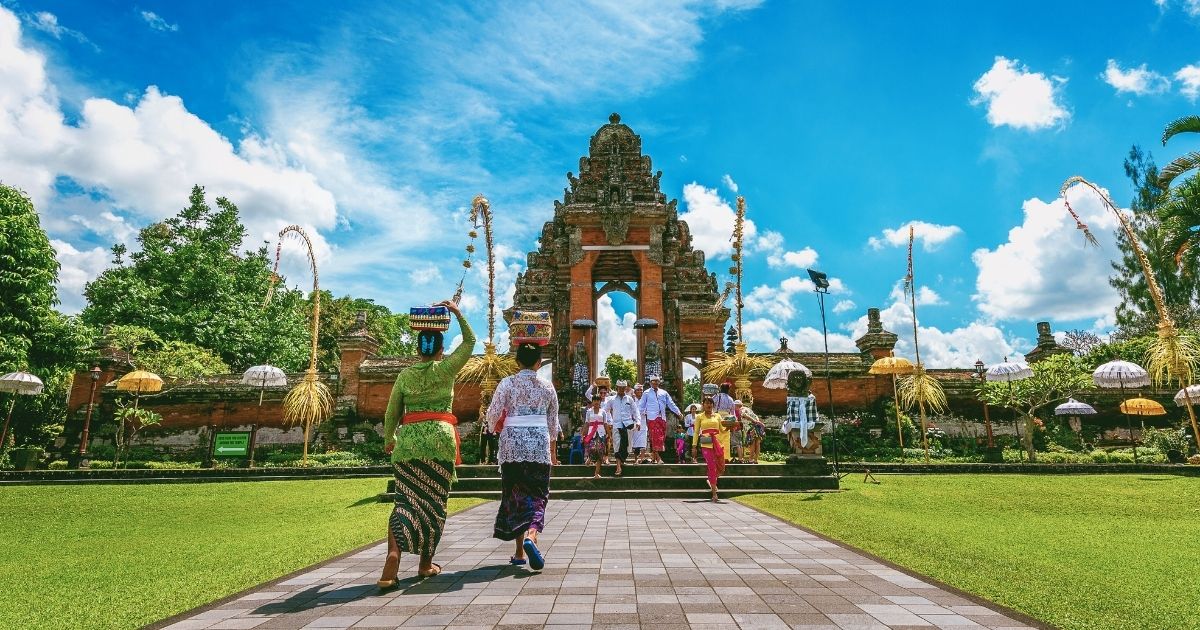
The dream of living in Bali as an American has captured the imagination of countless remote workers, entrepreneurs, and adventurous spirits seeking a tropical lifestyle with modern amenities. Indonesia’s Island of the Gods offers an enticing blend of affordable living costs, rich cultural experiences, and stunning natural beauty that creates an appealing alternative to the high-stress, expensive lifestyle many Americans know back home.
However, the reality of relocating to Southeast Asia involves navigating complex visa requirements, cultural adjustments, and practical considerations that extend far beyond the Instagram-perfect imagery of rice terraces and beach sunsets. This comprehensive guide explores every aspect of the American expat experience in Bali, from legal requirements and financial planning to healthcare access and cultural integration strategies that ensure a successful transition to island life.
Visa options and legal requirements for Americans
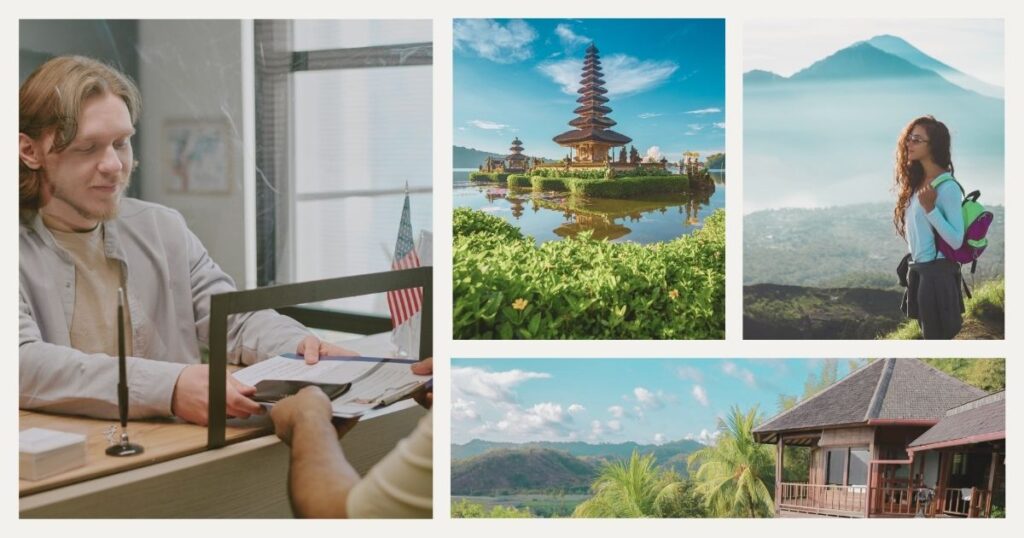
Understanding Indonesian visa regulations forms the foundation of any successful long-term stay in Bali. Americans have several pathways for extended residence, each with specific requirements and limitations that significantly impact your lifestyle and legal status.
💡 Did you know? Indonesia introduced the Second Home Visa in 2023, allowing Americans and other foreigners to stay for up to five years with minimal renewal requirements. This revolutionary visa program specifically targets remote workers and investors, making long-term living in Bali as an American more accessible than ever before.
Tourist and social cultural visas
The standard tourist visa allows Americans 30-day stays with possible extensions. The Social Cultural Visa (B211A) extends this to 60 days with multiple extension options, creating possibilities for stays up to 180 days. These options work well for Americans testing Bali life before committing to longer arrangements.
Digital nomad and investment visas
Indonesia’s Second Home Visa represents the most comprehensive option for Americans planning extended stays. This five-year renewable visa requires proof of remote income or significant financial assets, making it ideal for established remote workers and entrepreneurs.
🌟 Pro tip: stay connected throughout your visa application process and Bali transition with Holafly’s comprehensive international connectivity solutions, ensuring you never miss important communications with immigration authorities, lawyers, or family back home during your relocation journey.
Retirement and family options
Retirement visas provide options for Americans over 55 with sufficient pension income. Family reunion visas allow Americans married to Indonesian citizens to obtain renewable residence permits, often providing the most stable long-term residence options.
Cost of living and financial planning
The financial aspects of living in Bali as an American involve dramatic cost reductions in some areas while potentially higher expenses in others. Understanding these dynamics helps Americans plan realistic budgets and lifestyle expectations for their Indonesian adventure.
Housing and accommodation costs
Rental costs vary dramatically based on location and accommodation type. Americans can find comfortable villas for $300-800 monthly in less touristy areas, while premium locations like Seminyak or Canggu command $800-2000+ for comparable properties. Long-term leases typically offer 20-40% savings compared to monthly rentals.
Daily living and transportation expenses
Food costs offer dramatic savings, with local warung meals costing $1-3 compared to Western restaurant prices of $8-15. Transportation costs remain minimal with scooter rentals at $30-50 monthly. Healthcare, entertainment, and miscellaneous expenses typically range $200-500 monthly, depending on lifestyle choices.
Banking and currency considerations
Opening Indonesian bank accounts requires specific visa types and can be challenging for Americans on tourist visas. Many expats rely on international debit cards and money transfer services, though these involve fees and exchange rate considerations. Currency exchange rates significantly impact purchasing power and long-term financial sustainability.
Healthcare and insurance considerations
Healthcare access represents a critical consideration for living in Bali as an American, as the Indonesian medical system differs significantly from American standards and insurance coverage. The quality and availability of medical services vary dramatically between urban centers and rural areas.
International vs. local healthcare options
International hospitals in Bali, particularly BIMC and Siloam, provide Western-standard care with English-speaking staff and modern equipment. Local Indonesian healthcare facilities offer more affordable options but may involve language barriers and different treatment protocols. Emergency evacuation insurance becomes particularly important given Bali’s distance from advanced medical centers.
Health insurance requirements and options
Many Indonesian visas require proof of international health insurance, making coverage mandatory for legal residence. International insurance providers like Cigna and Allianz offer plans designed for Americans living overseas, typically providing worldwide coverage, excluding the United States, at lower premiums.
Prescription medications and ongoing care
Prescription medication availability varies significantly from American standards, with some medications unavailable or requiring special import procedures. Americans with chronic conditions should research medication availability and establish healthcare provider relationships before relocating.
Cultural adaptation and social integration
Successfully living in Bali as an American requires understanding and respecting Indonesian cultural norms while finding a balance between cultural integration and maintaining personal identity. Balinese Hindu culture permeates daily life in ways that may surprise Americans accustomed to more secular environments.
Language learning and communication
While English is widely spoken in tourist areas, learning basic Indonesian significantly enhances daily life and demonstrates cultural respect. Understanding cultural communication patterns, including indirect communication styles and respect for hierarchy, proves as important as vocabulary.
Religious and cultural customs
Balinese Hindu ceremonies and customs create a rich cultural environment, though understanding appropriate participation and respect becomes important for integration. Dress codes, particularly around temples and during religious events, require understanding and compliance.
Building social networks and community
The expatriate community in Bali provides immediate social connections and practical support for newly arrived Americans. Balancing expatriate and local social connections creates the richest cultural experience, though this requires intentional effort and cultural sensitivity.
Work and business opportunities

The landscape for Americans working in Bali has evolved significantly with Indonesia’s recognition of the digital nomad economy. Understanding legal requirements and practical considerations helps Americans maximize professional opportunities while maintaining legal compliance.
Remote work and digital nomad life
Coworking spaces throughout Bali cater specifically to digital nomads, providing reliable internet and networking opportunities. Internet reliability remains variable, with many remote workers maintaining backup connectivity through mobile hotspots. Time zone differences with American business hours can be challenging, requiring schedule adjustments.
Local business and investment opportunities
Starting businesses in Indonesia requires understanding complex regulations and local partnership requirements. Tourism-related businesses remain popular among American entrepreneurs, though market saturation requires careful planning. Consulting and service businesses leveraging American expertise often prove successful.
Professional development and networking
Industry-specific associations provide networking opportunities for Americans building careers in Bali. Skills development and mentorship opportunities exist through expatriate business communities and local entrepreneurship programs.
Practical daily life considerations
The day-to-day reality of living in Bali as an American involves numerous practical adjustments that significantly impact quality of life. Understanding these practical elements helps set realistic expectations and prepare for common challenges.
Transportation and getting around
Scooter transportation dominates Bali roads, with most Americans eventually adopting this convenient and economical option despite initial safety concerns. Car rentals and private drivers provide alternatives for those uncomfortable with scooter transportation, though costs are significantly higher.
Shopping and consumer services
Local markets provide fresh produce and household items at dramatically lower costs than Western-style supermarkets. Western products are available through higher-end supermarkets at premium prices reflecting import costs. Online shopping and delivery services have expanded significantly.
Utilities and home services
Electricity costs can be substantial for Americans accustomed to air conditioning, requiring a balance between comfort needs and budget considerations. Water quality varies significantly, with most Americans using filtered or bottled water. Internet installation requires patience, as service quality differs from American standards.
Final thoughts
Living in Bali as an American offers incredible opportunities for personal growth, cultural enrichment, and lifestyle enhancement at significantly lower costs than comparable American experiences. However, success requires realistic planning, cultural sensitivity, and adaptability to navigate the challenges and maximize the benefits of Indonesian expatriate life.
The key to successful long-term residence lies in thorough preparation, realistic expectations, and genuine respect for Indonesian culture and customs. Americans who approach their Bali experience with openness, patience, and cultural humility typically find the transition rewarding and transformative.
For comprehensive information about visa options and legal requirements for Americans living in Indonesia long-term, explore Nomada’s complete Indonesia digital nomad visa guide for detailed application processes and requirements. Ready to start your Indonesian adventure? Begin planning your transition to island life with expert guidance and comprehensive resources from Nomada for successful international relocation! 🌴
Frequently asked questions about living in Bali as an American
Americans have several visa options for long-term residence in Bali, including the Second Home Visa (up to 5 years), Social Cultural Visa (extendable to 180 days), and various business and investment visas. The best choice depends on your intended length of stay, work plans, and financial situation. Most Americans planning stays longer than 6 months benefit from the Second Home Visa or establishing an Indonesian business entity.
Americans can live comfortably in Bali on $1,000-2,500 monthly, depending on lifestyle choices and location preferences. Basic comfortable living costs around $1,000-1,500 monthly, while luxury lifestyles may require $2,500-5,000+. These costs include housing, food, transportation, and entertainment, but exclude international health insurance, visa fees, and periodic travel expenses.
Americans cannot directly own freehold property in Bali, but can secure long-term property rights through leasehold agreements, nominee structures, or Indonesian business entities. Leasehold arrangements typically provide 25-30-year terms with renewal options. Many Americans choose villa rentals or leasing arrangements rather than property ownership to maintain flexibility.
Common challenges include visa bureaucracy, language barriers, cultural adjustment, unreliable infrastructure, and distance from family and familiar services. Healthcare access, internet connectivity, and traffic safety also require adaptation. However, most Americans find these challenges manageable with proper preparation and realistic expectations about the adjustment process.
Bali is generally very safe for Americans, with low violent crime rates and a welcoming culture toward foreigners. Common safety concerns include traffic accidents, petty theft, and natural disasters like earthquakes or volcanic activity. Maintaining appropriate insurance, following local safety guidelines, and staying informed about current conditions helps ensure personal safety throughout your stay.