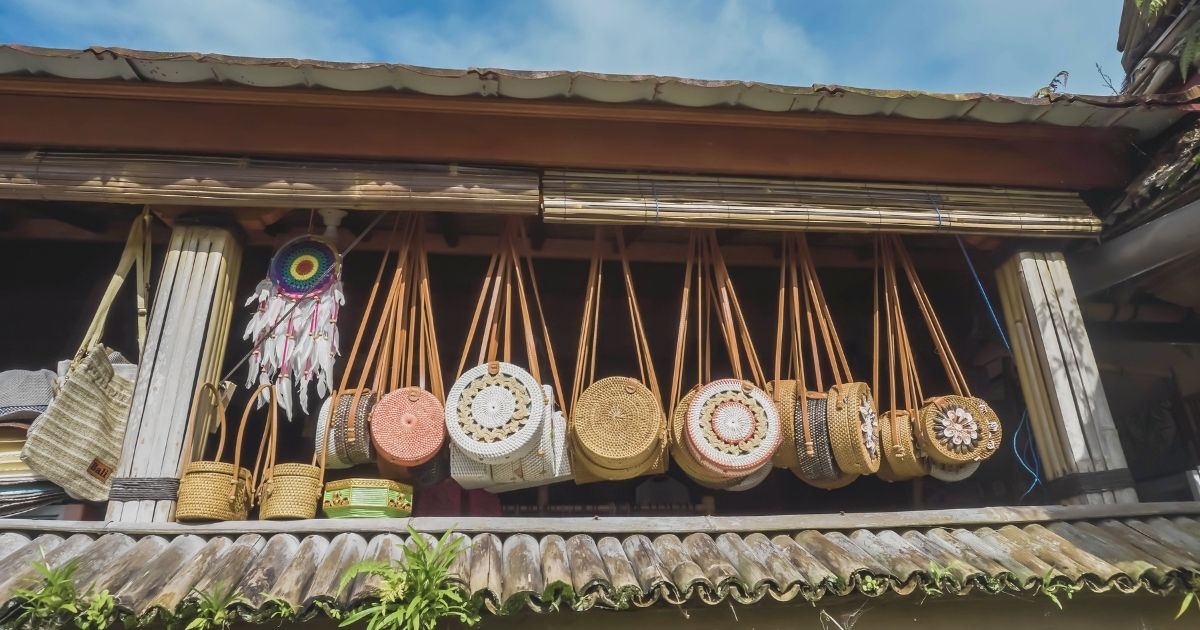
Discovering what to buy in Bali becomes an exciting adventure through the island’s rich cultural heritage and incredible artisanal traditions. From intricate wood carvings and stunning batik textiles to aromatic spices and unique jewelry, Bali offers an extraordinary variety of authentic souvenirs that capture the essence of Indonesian craftsmanship.
The island’s diverse shopping landscape ranges from traditional markets bursting with local treasures to high-end boutiques showcasing contemporary Balinese design. Whether you’re seeking meaningful gifts for loved ones back home or personal mementos of your Indonesian journey, understanding where to shop and what authentic items to look for ensures you return with genuine pieces that tell Bali’s cultural story.
Traditional Balinese textiles and clothing
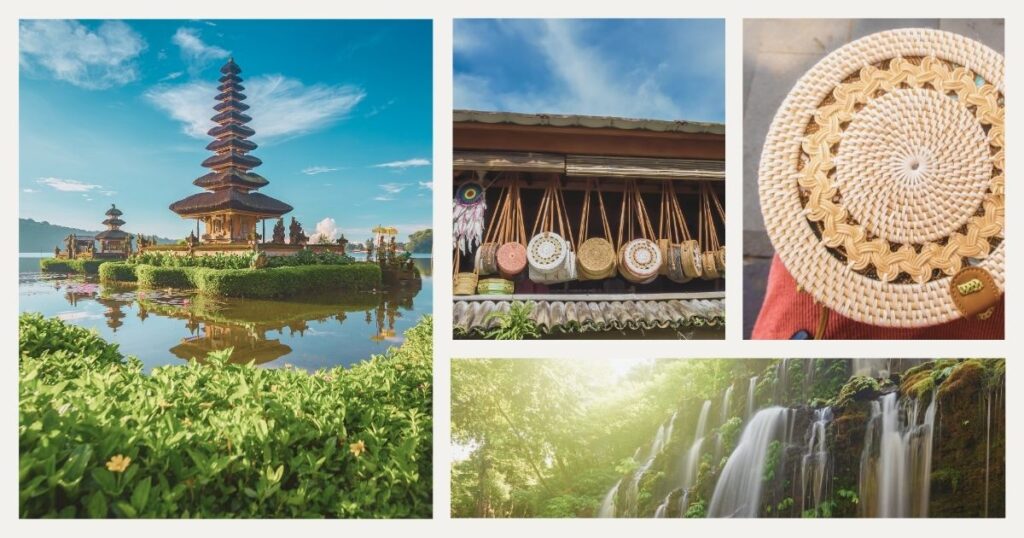
Balinese textiles represent centuries of cultural tradition and artistic excellence, making them among the most meaningful purchases when considering what to buy in Bali. Understanding the different types of traditional fabrics and their cultural significance helps shoppers select authentic pieces rather than mass-produced imitations.
💡 Did you know? Authentic Balinese ikat textiles can take up to six months to complete, with master weavers using traditional tie-dye techniques passed down through generations. These intricate patterns often carry spiritual significance and are considered protective talismans in Balinese Hindu culture.
Batik and ikat fabrics
Batik fabric represents one of Indonesia’s most famous textile traditions, with Balinese artisans creating distinctive patterns that differ from Javanese styles. Authentic batik pieces feature hand-drawn designs in vibrant colors that tell stories of nature and mythology.
Ikat textiles showcase ancient weaving techniques where threads are tie-dyed before weaving, creating beautiful blurred patterns. Genuine ikat pieces command higher prices due to their labor-intensive production process and cultural significance.
Sarongs and traditional garments
Traditional sarongs serve both practical and ceremonial purposes, making them versatile souvenirs. High-quality sarongs feature fine cotton or silk with intricate border designs and can be worn as clothing or used as home decor.
🌟 Pro tip: document your Bali shopping adventures and share authentic textile finds with friends and family back home using Holafly’s premium travel connectivity, ensuring you stay connected to research authentic vendors and compare prices across different markets and boutiques.
Modern interpretations
Contemporary Balinese designers blend traditional textile techniques with modern fashion, creating wearable pieces that honor cultural heritage while appealing to international tastes. These pieces often feature traditional motifs in contemporary cuts and styling.
Handcrafted wood carvings and sculptures
Balinese wood carving represents one of the island’s most celebrated art forms and should be high on any list of what to buy in Bali, with master craftsmen creating religious sculptures, decorative items, and functional pieces. Different types of wood carry various meanings in Balinese culture, with some considered sacred and others prized for their beauty and durability.
Religious and mythological figures
Hindu deities and mythological figures form the foundation of traditional Balinese wood carving, with Ganesha, Buddha, and Garuda being particularly popular. These sculptures range from small decorative pieces to large statement pieces for gardens or interiors.
Barong and Rangda masks represent important characters from Balinese dance and theater, showcasing the intersection of religious belief and artistic expression.
Decorative and functional items
Carved wooden bowls, serving trays, and kitchen utensils combine functionality with artistic beauty, making them practical souvenirs. Jewelry boxes, picture frames, and decorative panels showcase fine detail work suitable for contemporary home decor.
Contemporary artistic expressions
Modern Balinese wood carvers experiment with abstract forms and contemporary themes while maintaining traditional methods. Gallery-quality sculptures by recognized artists represent investment pieces that support the continued evolution of Balinese artistic traditions.
Jewelry and precious accessories
Balinese jewelry represents a sophisticated blend of traditional techniques and cultural symbolism that has gained international recognition. The island’s goldsmiths and silversmiths create intricate pieces ranging from delicate everyday jewelry to elaborate ceremonial ornaments.
Silver jewelry and craftsmanship
Bali’s silver jewelry industry centers around Celuk village, where generations of families have perfected traditional metalworking techniques. Authentic Balinese silver features intricate granulation and filigree work that creates texture without relying heavily on gemstones.
Traditional designs often incorporate Hindu-Buddhist symbols like lotus flowers and Om symbols that carry spiritual significance beyond their aesthetic appeal.
Natural gemstones and pearls
Indonesia’s geological diversity provides access to various gemstones, with many jewelers specializing in locally sourced stones. Natural pearls from Indonesian waters, particularly South Sea pearls, represent luxury purchases with lasting value.
Semi-precious stones like amethyst, moonstone, and garnet appear frequently in Balinese jewelry, often set in traditional silver work or combined with carved elements for unique mixed-media pieces.
Traditional and contemporary designs
Traditional Balinese jewelry designs reflect Hindu cosmology and local beliefs, with many pieces serving ceremonial functions. Contemporary designers blend traditional techniques with international fashion trends, creating pieces that honor Balinese craftsmanship while appealing to global markets.
Spices, coffee, and culinary treasures
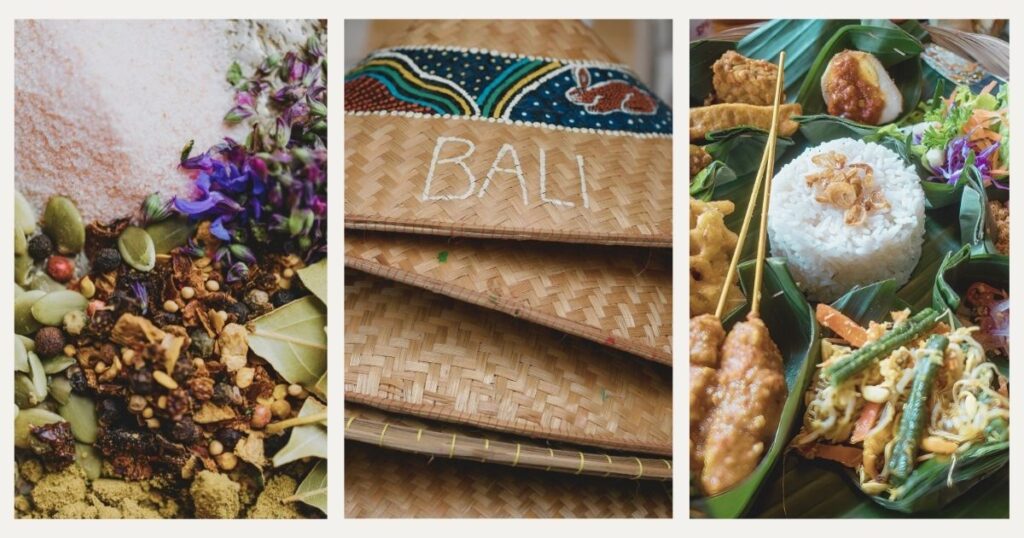
When exploring what to buy in Bali, culinary treasures deserve special attention as the island’s tropical climate and fertile volcanic soil create ideal conditions for growing aromatic spices, exceptional coffee, and unique ingredients that make wonderful gifts for food enthusiasts. Understanding spice quality and customs regulations helps ensure culinary purchases remain fresh and legal for international transport.
Authentic Balinese spice blends
Traditional spice blends like base gede and bumbu Bali represent complex flavor profiles that form the foundation of authentic Balinese cuisine. Individual spices like turmeric, galangal, and lemongrass offer building blocks for creating authentic Indonesian dishes while providing excellent value.
Premium coffee and tea
Bali’s coffee plantations produce distinctive Arabica varieties that showcase unique terroir and processing methods. Kopi luwak represents one of the world’s most expensive coffee varieties, though ethical considerations should guide purchasing decisions. Traditional herbal teas incorporate local ingredients like ginger and turmeric.
Artisanal food products
Local honey varieties reflect Bali’s diverse flora and provide natural sweeteners with distinctive flavor profiles. Traditional crackers and preserved fruits showcase local processing techniques while providing shelf-stable options for international transport.
Art and home decor items
Balinese art encompasses diverse styles and mediums that allow visitors to find pieces suited to their tastes and budgets. From traditional paintings depicting religious themes to contemporary installations, the island’s art scene offers something for every collector.
Traditional paintings and artwork
Ubud’s traditional painting styles include detailed depictions of Hindu epics, village life, and natural scenes rendered in distinctive color palettes. Wayang-style artwork draws inspiration from shadow puppet traditions, featuring elongated figures and stylized compositions with cultural significance.
Decorative objects and sculptures
Stone sculptures ranging from small garden ornaments to large architectural elements showcase Bali’s mastery of volcanic stone carving. Ceramic and pottery items combine functional utility with decorative appeal, while bamboo and rattan crafts demonstrate sustainable material usage.
Furniture and large decorative pieces
Traditional Balinese furniture combines functionality with ornate carving and design details. Contemporary furniture designers blend traditional joinery techniques with modern forms, creating pieces suitable for various interior design contexts while maintaining craftsmanship quality.
Best shopping areas and markets
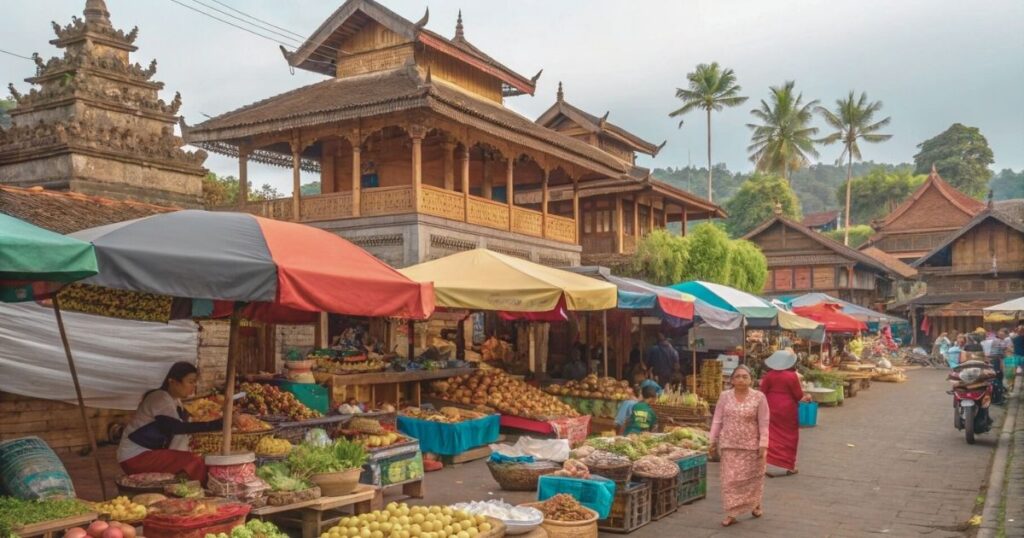
Understanding Bali’s diverse shopping landscapes helps visitors find authentic items at fair prices while avoiding tourist traps, which is essential knowledge when deciding what to buy in Bali. Different areas specialize in particular types of goods and offer varying levels of authenticity, quality, and value.
Traditional markets and local vendors
Ubud Traditional Market offers authentic marketplace experiences with local vendors selling handcrafted souvenirs. Sukawati Art Market specializes in traditional crafts, textiles, and artwork at wholesale prices. Pasar Badung in Denpasar serves local customers but offers insight into daily Balinese life.
Artisan villages and specialized areas
Mas village specializes in wood carving with numerous workshops where visitors can observe artisans at work. Celuk village focuses on silver jewelry and metalwork, offering opportunities to purchase directly from craftsmen. Batuan village features traditional and contemporary painting styles.
Contemporary shopping districts
Seminyak boutiques offer upscale shopping with designer items and high-quality crafts that blend Balinese techniques with international design. Canggu’s emerging retail scene features younger designers with stronger environmental and social responsibility focuses.
Shopping tips and cultural etiquette
Successful shopping in Bali requires understanding local customs, bargaining practices, and quality indicators that help distinguish authentic items from mass-produced imitations. These skills become invaluable when navigating the many options of what to buy in Bali while ensuring respectful behavior and cultural sensitivity that enhance the shopping experience.
Bargaining and price negotiation
Bargaining is expected in traditional markets but should be approached respectfully. Starting offers should be reasonable, typically 30-50% of the asking price. Fixed-price establishments like galleries typically don’t negotiate, while mid-range shops may offer small discounts for multiple purchases.
Authenticity and quality assessment
Examining craftsmanship details helps distinguish handmade items from machine-produced alternatives. Look for slight irregularities and tool marks that indicate human creation rather than perfect uniformity. Material quality varies significantly between price points, with genuine materials commanding higher prices.
Shipping and customs considerations
International shipping services help transport large purchases safely, though costs vary significantly. Customs regulations restrict certain items like endangered wood species and antiques. Documentation and certificates become important for valuable purchases, particularly artwork and items requiring proof of legal export.
Final thoughts
Understanding what to buy in Bali enhances your travel experience by connecting you with the island’s rich cultural heritage through authentic craftsmanship and traditional arts. From exquisite textiles and intricate wood carvings to aromatic spices and beautiful jewelry, Bali offers countless opportunities to find meaningful souvenirs that capture the essence of Indonesian culture.
The key to successful shopping lies in seeking authentic items from reputable sources while respecting local customs and supporting traditional artisans. By choosing quality pieces that reflect genuine Balinese craftsmanship, you not only acquire beautiful mementos but also contribute to preserving cultural traditions for future generations.
For comprehensive travel planning and cultural insights to enhance your Bali shopping experience, explore Nomada’s complete Indonesia digital nomad visa guide for extended stay options.
Ready to discover Bali’s incredible shopping treasures? Start planning your authentic Indonesian shopping adventure with expert travel guidance from Nomada for the ultimate cultural immersion experience! 🛍️
Frequently asked questions about shopping in Bali
The most authentic Balinese souvenirs include handwoven textiles like batik and ikat fabrics, traditional wood carvings, silver jewelry from Celuk village, local spices and coffee, and traditional paintings. These items represent genuine Balinese craftsmanship and cultural heritage rather than mass-produced tourist items.
For authentic items, visit traditional markets like Ubud Market and Sukawati Art Market, artisan villages like Mas (wood carving) and Celuk (silver), and reputable galleries in Ubud. Avoid beach vendors and tourist-heavy areas where quality is often lower and prices inflated.
Prices vary significantly by item and quality. Handwoven textiles range from $20-200, wood carvings from $10-500+, silver jewelry from $15-300, and traditional paintings from $30-1000+. Quality pieces cost more but offer better craftsmanship and cultural authenticity.
Yes, bargaining is expected in traditional markets and with street vendors. Start at 30-50% of the asking price and negotiate respectfully. Fixed-price shops like galleries and boutiques typically don’t bargain, while mid-range stores may offer small discounts for multiple purchases.
Yes, many shops offer shipping services for large items like furniture and sculptures. Costs vary by size, weight, and destination. Reputable vendors provide proper packaging and insurance. Be aware of customs regulations in your home country regarding wood products and cultural artifacts.