
Japan beckons digital nomads with its unique blend of cutting-edge technology, rich cultural heritage, and unparalleled work-life balance. Whether you’re dreaming of coding from a Tokyo café overlooking cherry blossoms or attending virtual meetings from a traditional ryokan in Kyoto, securing a work visa for Japan is your gateway to this extraordinary experience.
This comprehensive guide will walk you through everything you need to know about obtaining a work visa for Japan, from understanding different visa types to navigating the application process with confidence. We’ll cover essential requirements, insider tips, and practical advice specifically tailored for remote professionals and digital nomads.
Understanding Japan’s work visa system
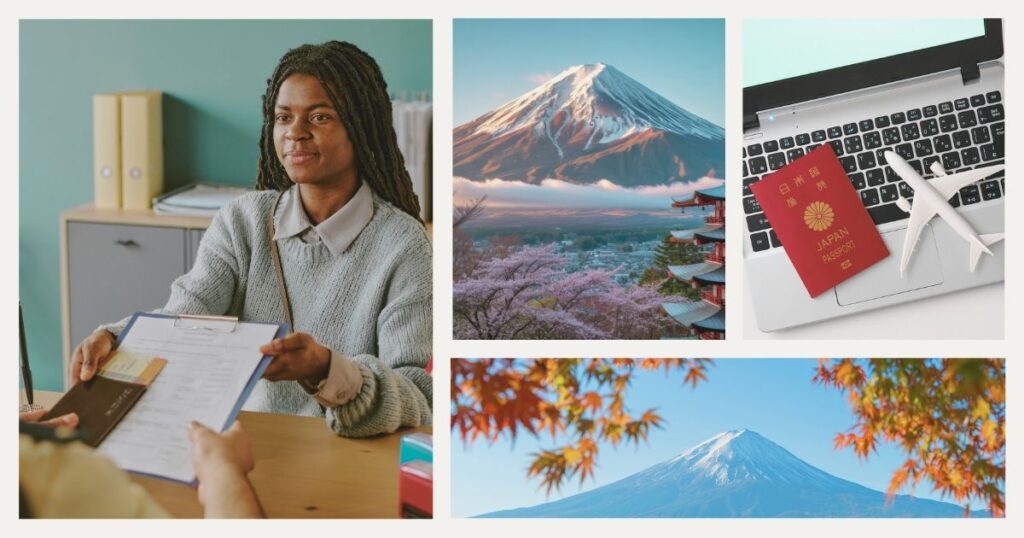
Japan offers several pathways for international professionals seeking to work within its borders. The work visa system is designed to attract skilled talent while maintaining strict quality standards. Understanding which category fits your situation is crucial for a successful application.
The Japanese immigration system categorizes work visas based on your professional background, intended activities, and employment status. Unlike some countries that offer specific “digital nomad visas,” Japan requires foreign workers to fit into established visa categories, each with distinct requirements and privileges.
Types of work visas available in Japan
Engineer/Specialist in Humanities/International Services Visa is the most common option for digital nomads and remote workers. This category covers IT professionals, translators, designers, marketers, and other skilled professionals working in technology or international business.
Highly Skilled Professional Visa offers accelerated pathways for exceptional talent. If you meet specific criteria based on education, work experience, and salary levels, this visa provides additional benefits including faster permanent residency eligibility.
Business Manager Visa suits entrepreneurs and freelancers planning to establish their own business in Japan. This option requires substantial investment and a detailed business plan, but offers greater flexibility for self-employed professionals.
Instructor Visa applies to those teaching languages or specialized skills. Many digital nomads combine remote work with English teaching to qualify for this category.
Special considerations for digital nomads
Digital nomads face unique challenges when applying for a work visa in Japan. Traditional employment relationships don’t always align with remote work arrangements, requiring creative solutions and careful documentation.
Japanese immigration authorities need to understand your work arrangement clearly. If you’re employed by a foreign company but wish to work from Japan, you’ll need to demonstrate legitimate business reasons for your presence and ensure your activities comply with visa requirements.
💡 Did you know? Japan’s immigration system is becoming more flexible toward remote work arrangements, especially for professionals in technology and international business sectors.
Essential requirements for a Japan work visa
Securing a work visa for Japan requires meticulous preparation and attention to detail. The application process demands specific documentation, financial proof, and sponsor support that can seem overwhelming initially.
Understanding these requirements upfront allows you to gather necessary documents and plan your application timeline effectively. Missing even minor requirements can delay your application significantly or result in rejection.
Document checklist and preparation
Passport and personal documents: your passport must be valid for at least six months beyond your intended stay. You’ll need multiple passport-style photographs meeting Japanese specifications—2.5cm x 2.5cm with a white background taken within the past three months.
Educational credentials: university degrees require official transcripts and diploma copies. If your education was completed outside Japan, you may need apostilled documents or official translations into Japanese.
Professional experience documentation: detailed employment history, including reference letters from previous employers, salary certificates, and portfolio examples demonstrating your expertise.
Financial proof: bank statements showing sufficient funds to support yourself during the initial period in Japan. The exact amount varies by visa type but typically ranges from $10,000 to $20,000.
Sponsor requirements and job offers
Most work visas for Japan require a sponsor, typically a Japanese company or organization that will employ you or support your activities. This sponsor must provide specific documentation proving their legitimacy and ability to support your visa application.
Certificate of Eligibility (CoE) is often the most crucial document in your application. Your sponsor typically applies for this on your behalf through Japanese immigration authorities. The CoE confirms that you meet the requirements for your intended visa category.
🌟 Pro tip: maintain constant communication with your sponsor throughout the CoE application process. Japanese bureaucracy values thorough documentation and clear communication.
Digital infrastructure and remote work setup in Japan
Japan offers world-class digital infrastructure that makes it an ideal destination for remote professionals. Understanding the technological landscape and connectivity options ensures you can maintain productivity while experiencing Japanese culture.
The country’s commitment to technological advancement creates an environment where digital nomads can thrive professionally while enjoying a high quality of life.
Internet connectivity and workspace solutions
Japan boasts some of the world’s fastest and most reliable internet connections. Major cities offer extensive fiber optic networks with speeds regularly exceeding 100 Mbps, while even rural areas maintain surprisingly robust connectivity.
Coworking spaces have proliferated across Japan, particularly in Tokyo, Osaka, and other major metropolitan areas. These spaces cater specifically to international professionals and offer excellent networking opportunities alongside premium facilities.
For reliable connectivity wherever your Japanese adventure takes you, consider Holafly’s Japan eSIM to ensure seamless internet access across the country. This solution provides consistent connectivity for video calls, file uploads, and staying connected with international clients.
Banking and financial setup for remote workers
Opening a Japanese bank account streamlines your financial management and demonstrates your commitment to establishing roots in the country. Most major banks now offer services in English and understand the needs of international professionals.
Cashless payment systems have evolved rapidly in Japan. Mobile payment apps like PayPay and LINE Pay integrate seamlessly with daily life, making transactions convenient for remote workers who prefer digital solutions.
🌟 Pro tip: research banking options before arriving in Japan. Some banks allow preliminary applications for international professionals, expediting the account opening process once you arrive.
Application process and timeline
The work visa application process for Japan follows a structured timeline that requires careful planning and coordination. Understanding each phase helps you prepare effectively and avoid common delays.
Starting your application process 4-6 months before your intended travel date provides adequate time for document preparation, processing, and potential complications.
Step-by-step application guide
- Phase 1: preparation (2-3 months before departure): gather all required documents, obtain necessary translations and apostilles, and coordinate with your Japanese sponsor to begin the Certificate of Eligibility application.
- Phase 2: CoE application (1-3 months processing time): your sponsor submits the CoE application to Japanese immigration authorities. This phase requires patience as processing times vary significantly based on application volume and complexity.
- Phase 3: visa application (1-2 weeks): once you receive the CoE, apply for your actual visa at a Japanese consulate or embassy in your home country. This step is typically faster but requires scheduling appointments in advance.
- Phase 4: final preparations: book flights, arrange temporary accommodation, and prepare for your arrival in Japan.
Common challenges and how to overcome them
Documentation discrepancies cause the majority of application delays. Ensure all documents match exactly—names, dates, and details must be consistent across all paperwork.
Language barriers can complicate communication with sponsors and immigration authorities. Consider hiring a qualified immigration lawyer or using professional translation services for complex documents.
Processing delays are common, especially during peak application periods. Build buffer time into your plans and maintain regular communication with all parties involved in your application.
💡 Did you know? Japanese immigration authorities process applications more efficiently when all documents are submitted simultaneously rather than piecemeal submissions.
Living and working in Japan as a digital nomad

Successfully obtaining your work visa for Japan marks the beginning of an incredible journey. Understanding practical aspects of daily life helps you transition smoothly and make the most of your experience.
Japan offers a unique blend of traditional culture and modern convenience that creates an ideal environment for focused work and personal growth.
Cultural integration and professional etiquette
Japanese business culture emphasizes respect, punctuality, and attention to detail. Remote workers should understand these values even when working with international clients from Japan.
Communication styles in Japan tend to be more formal and indirect compared to Western business culture. Learning basic Japanese phrases and understanding cultural nuances improves both professional relationships and daily interactions.
Work-life balance in Japan has evolved significantly, with increasing emphasis on efficiency and personal time. Many digital nomads find Japan’s approach to productivity aligns well with remote work principles.
Practical tips for daily life
Transportation systems in Japan are incredibly efficient, but can be overwhelming initially. Invest time in understanding local train systems and consider getting IC cards for seamless travel.
Healthcare access is excellent in Japan, but navigating the system requires preparation. Ensure you understand your insurance coverage and locate nearby medical facilities.
Language learning enhances your experience dramatically. Even basic Japanese skills open doors to deeper cultural understanding and practical convenience.
🌟 Pro tip: join international community groups and local meetups to build your professional network and social connections in Japan.
Final thoughts: your Japanese adventure awaits
Obtaining a work visa for Japan represents more than just legal permission to work—it’s your ticket to experiencing one of the world’s most fascinating cultures while maintaining your professional momentum. The application process may seem complex, but with proper preparation and understanding of requirements, it becomes entirely manageable.
Japan offers digital nomads an unparalleled combination of technological advancement, cultural richness, and professional opportunities. From the bustling innovation hubs of Tokyo to the serene traditional landscapes of rural prefectures, your Japanese experience will undoubtedly transform both your professional perspective and personal growth.
Remember that persistence and attention to detail are key to success in the Japanese visa application process. Start early, prepare thoroughly, and don’t hesitate to seek professional guidance when needed.
Ready to begin your Japanese adventure? The process of securing a work visa for Japan may seem daunting, but with the right preparation and guidance, it’s entirely achievable. From understanding visa requirements to navigating cultural integration, every step brings you closer to experiencing Japan’s incredible blend of tradition and innovation.
For more insights on living and working in Japan as a digital nomad, explore our comprehensive country guide.For comprehensive support and resources tailored to digital nomads, visit Nomada to simplify your journey and access expert guidance for your international adventure 🇯🇵
Frequently asked questions about Japan Work Visa
The complete process typically takes 3-6 months from initial application to visa approval. The Certificate of Eligibility stage alone can take 1-3 months, followed by additional processing time at Japanese consulates. Starting your application well in advance of your intended travel date is essential.
Most work visa categories require a sponsor or job offer from a Japanese entity. However, the Business Manager visa allows entrepreneurs to establish their own business, and the Highly Skilled Professional visa may offer more flexibility for exceptional candidates with substantial financial resources.
Rejected applications can often be resubmitted after addressing the specific reasons for denial. Common issues include incomplete documentation, insufficient sponsor support, or mismatched visa categories. Consider consulting with an immigration lawyer to strengthen your reapplication.
Changing employers typically requires updating your visa status and informing immigration authorities. The process varies depending on your visa type and new employment situation. Some categories allow more flexibility than others, but proper notification is always required.
Japanese language skills are not always required, but they significantly strengthen your application. Many visa categories, especially in international business and technology, require English proficiency. However, demonstrating some Japanese language ability shows commitment and improves your integration prospects.