Barcelona’s efficient and diverse transportation network makes it one of Europe’s most navigable cities for digital nomads. Understanding how to get around in Barcelona effectively can transform your experience from overwhelming to seamless, whether you’re commuting to coworking spaces, exploring neighborhoods for the perfect café, or venturing to client meetings across the city.
This comprehensive guide covers every transportation option available in Barcelona, from the extensive metro system to bike-sharing programs, helping you choose the best methods for your nomadic lifestyle. We’ll explore cost-effective solutions, time-saving strategies, and insider tips that locals use to navigate this vibrant Mediterranean metropolis efficiently.
Barcelona’s metro system: your underground network
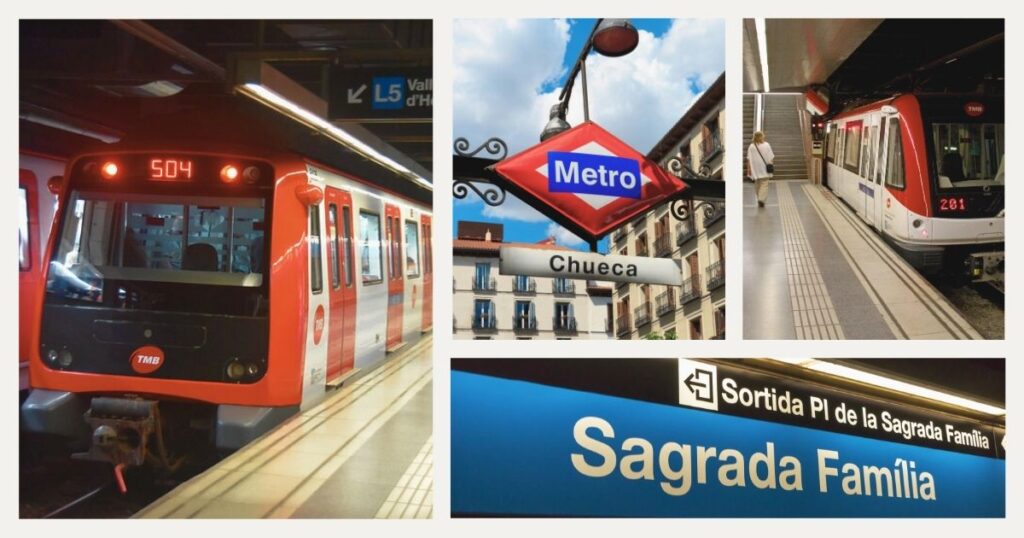
The Barcelona Metro forms the backbone of the city’s public transportation, offering the most efficient approach to how to get around in Barcelona for daily commuting and exploration. With 12 lines covering 166 stations, the metro connects virtually every neighborhood where digital nomads typically work and live.
Metro lines and key stations for digital nomads
The metro system operates with color-coded lines that intersect at major transfer stations. Line 1 (Red) runs through the city center, connecting Plaça Catalunya, Arc de Triomf, and the Gothic Quarter. Line 3 (Green) serves popular nomad neighborhoods, including Gràcia, and connects to Sants train station.
Line 4 (Yellow) provides access to Barceloneta beach areas, while Line 5 (Blue) connects Eixample with Sagrada Família and Park Güell. Understanding these primary routes helps digital nomads plan efficient journeys between coworking spaces and accommodations.
🌟 Pro tip: download the TMB App for real-time metro schedules, service disruptions, and route planning. The app works offline, making it perfect for underground navigation when cellular signals are weak.
Metro tickets and travel cards
Barcelona’s metro ticketing system offers various options suited to different stay lengths. Single tickets cost €2.40, but the T-10 card provides 10 journeys for €11.35, ideal for short stays. For longer periods, the monthly T-usual pass costs €54 (€40 for under-25s), including unlimited metro, bus, tram, and regional trains within Zone 1.
The Hola Barcelona Travel Card offers tourist options for 2-5 days with airport connections, though digital nomads typically find better value in standard TMB cards for extended stays.
💡 Did you know? metro stations provide free WiFi through the “Barcelona WiFi” network, allowing digital nomads to stay connected during commutes and handle urgent work tasks while traveling underground.
Bus network: comprehensive city coverage
Barcelona’s extensive bus network complements the metro system, providing crucial connections to areas not served by underground lines and offering a scenic way for how to get around in Barcelona while working or sightseeing.
Regular bus routes and schedules
The bus network operates over 100 routes throughout Barcelona, with frequent services during peak hours. Buses run every 5-15 minutes during daytime, extending to 20-30 minutes off-peak. Key routes include the H16 (Gràcia to city center) and V15 (El Born to Poble Nou).
The Aerobús provides direct airport connections, while night buses (Nitbus) operate Friday and Saturday nights with reduced services other nights, essential for nomads attending networking events.
Special bus services
The Barcelona Bus Turístic offers hop-on, hop-off tourist services, though it’s more expensive than regular transport. Barrio buses serve specific neighborhoods with smaller vehicles in narrow streets like the Gothic Quarter. Beach buses connect the city center to Barcelona’s coastline during summer months.
Cycling in Barcelona: eco-friendly and efficient
Cycling represents one of the most enjoyable and efficient methods for how to get around in Barcelona, with dedicated bike lanes, bike-sharing programs, and a generally bike-friendly urban environment that supports sustainable transportation choices.
Bicing: Barcelona’s bike share program
Bicing offers over 7,000 bikes across 500+ stations citywide. Annual subscriptions cost €47.16, making it cost-effective for extended stays. Day passes cost €6. The system operates 24/7 with traditional and electric bikes (€0.35 per 30 minutes extra for e-bikes).
Users locate bikes through the Smou app, showing real-time availability. Most trips under 30 minutes are free with annual subscriptions.
🌟 Pro tip: plan cycling routes using dedicated bike lanes marked on city maps. Barcelona’s infrastructure includes protected lanes and bike-priority streets for safer cycling.
Private bike rentals and purchase options
Bike rentals range from €15-25 daily for standard bikes to €25-40 for electric models. For longer stays, purchasing second-hand bikes through Wallapop or Facebook Marketplace often proves more economical.
Electric scooter sharing (Lime, Voi) provides additional micro-mobility for short trips, though more expensive than cycling for regular commutes.
Walking and pedestrian-friendly areas
Walking remains one of the most rewarding options for how to get around in Barcelona, particularly in the compact city center where many coworking spaces, cafés, and networking venues sit within comfortable walking distance of each other.
Walkable neighborhoods for digital nomads
The Gothic Quarter and El Born offer exceptional walkability with narrow medieval streets and concentrated amenities. Most destinations require less than 10 minutes walking, ideal for car-free lifestyles.
Eixample’s grid system facilitates easy navigation with wide sidewalks and central location providing walking access to major transport connections. Gràcia maintains a village atmosphere with pedestrian-friendly squares and numerous cafés perfect for remote work.
Walking safety and navigation tips
Barcelona offers excellent pedestrian safety with adequate traffic light timing and respectful drivers. Apps like Google Maps offline and Citymapper provide detailed walking directions and real-time navigation.
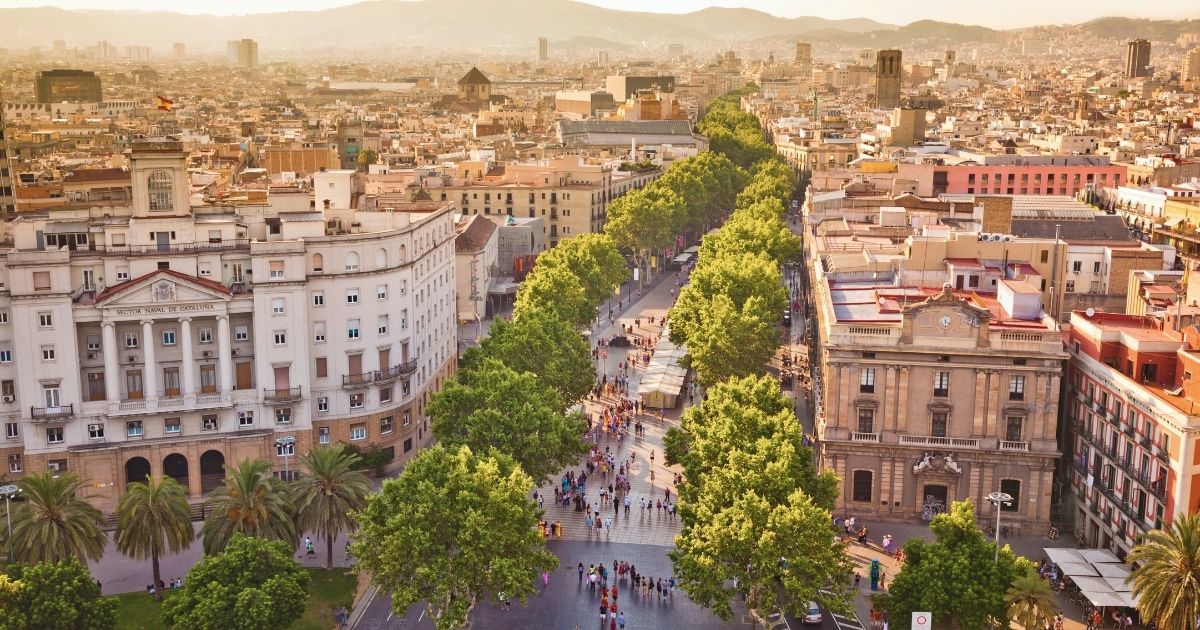
Tourist areas like Las Ramblas require awareness of pickpockets. Digital nomads should secure valuables while enjoying these iconic pedestrian areas.
💡 Did you know? Barcelona’s “Superblocks” create car-free zones in residential areas, providing peaceful walking environments and quiet outdoor workspace opportunities for digital nomads away from traffic noise.
Taxis and ride-sharing services
For door-to-door convenience and late-night transportation, taxis and ride-sharing services provide essential backup options when learning how to get around in Barcelona, particularly for airport transfers, heavy equipment transport, or time-sensitive business meetings.
Traditional taxi services
Barcelona’s official black and yellow taxis use regulated meter rates starting at €2.15 weekdays (7:00 AM – 9:00 PM), with higher evening and weekend rates. Airport transfers include fixed supplements for predictable costs.
Taxi stands appear throughout the city center and near metro stations. The FreeNow app allows advance booking with arrival estimates. Most taxis accept credit cards, though carrying small bills helps with tips.
Ride-sharing and alternative services
Uber and Cabify operate with smartphone booking, upfront pricing, and integrated payments, often providing competitive rates during off-peak hours. Bolt offers competitive pricing with frequent promotional discounts.
Motorcycle taxis (Cooltra Moto) provide time-saving urban transportation for solo travelers, though weather dependency limits practical application.
Digital connectivity and transportation apps
Maintaining connectivity while navigating Barcelona ensures digital nomads can work efficiently during commutes and stay connected with clients, colleagues, and navigation tools essential for urban mobility.
Essential transportation apps
The TMB App provides comprehensive public transport information, including real-time arrivals, service disruptions, and mobile ticketing. Citymapper offers excellent route comparison between transportation methods with live departure times and alternative suggestions.
Google Maps provides reliable directions with offline capability for poor cellular coverage areas, plus public transport integration with accessibility information.
🌟 Pro tip: ensure reliable internet access throughout your Barcelona journey with Holafly’s unlimited data eSIM, providing seamless connectivity for navigation apps, work calls, and staying connected while exploring the city’s neighborhoods.
WiFi access and connectivity options
Barcelona provides extensive free WiFi through “Barcelona WiFi” in metro stations, public squares, and parks. Registration is simple with adequate speeds for basic internet and navigation needs.
Coworking spaces offer high-speed internet, making them ideal stops for data-intensive work between journeys. Mobile networks provide excellent coverage through Vodafone, Orange, and Movistar with competitive prepaid options.
Cost-effective transportation strategies

Understanding how to optimize transportation expenses helps digital nomads manage their Barcelona budget effectively while maintaining mobility and productivity throughout their stay.
Monthly and multi-trip passes
For stays exceeding two weeks, monthly passes provide significant savings. The T-usual monthly pass (€54) includes unlimited travel on metro, bus, tram, and regional trains within Zone 1. Under-25s benefit from the T-jove pass at €40.
The T-10 multi-trip card offers flexibility for shorter stays, providing 10 journeys for €11.35 with free transfers between transport modes within 75 minutes.
Combining transportation methods
Strategic combination optimizes cost and time efficiency. Use bikes for short trips (under 2 km) and metro for longer journeys. Walking combined with strategic public transport creates the most cost-effective approach.
Ride-sharing works best for specific situations like airport transfers, late-night returns, or areas poorly served by public transit. Using these selectively maintains budget control while providing convenience when needed.
Final thoughts
Mastering how to get around in Barcelona efficiently enhances every aspect of the digital nomad experience in this dynamic Mediterranean city. The combination of excellent public transportation, bike-friendly infrastructure, walkable neighborhoods, and reliable connectivity creates an environment where remote workers can thrive while exploring one of Europe’s most vibrant cultural capitals.
Whether you prefer the speed of the metro, the flexibility of cycling, or the charm of walking through historic neighborhoods, Barcelona accommodates every transportation preference and budget level. The key lies in understanding each option’s strengths and combining them strategically based on your specific needs, schedule, and desired experiences.
For comprehensive guidance on maximizing your digital nomad experience in Catalonia’s capital, explore our detailed Barcelona digital nomad guide to discover the best neighborhoods, coworking spaces, and lifestyle tips for remote workers.
Ready to navigate Barcelona like a local? The city’s excellent transportation network makes it easy to balance productivity with exploration, whether you’re commuting to coworking spaces or discovering new neighborhoods. Let Nomada help you plan the perfect digital nomad experience in this incredible Mediterranean destination.
Start your Barcelona adventure today! 🚇
Frequently asked questions about getting around Barcelona
For stays longer than two weeks, the monthly T-usual pass at €54 provides unlimited access to metro, bus, and tram services, offering the best value for frequent travelers. Shorter stays benefit from T-10 cards providing 10 journeys for €11.35, while combining walking and cycling for short distances with public transport for longer trips creates the most economical approach for daily mobility.
Yes, Barcelona offers extensive cycling infrastructure with dedicated bike lanes, bike-priority streets, and growing network of protected cycling paths. The city’s flat center and mild Mediterranean climate make cycling enjoyable year-round. However, maintain awareness during rush hours, use proper lighting during evening rides, and always secure bikes with quality locks in designated parking areas.
Barcelona’s public transport ranks among Europe’s most reliable systems, with metro trains running every 2-5 minutes during peak hours and buses maintaining consistent schedules throughout the day. The TMB app provides real-time updates, service alerts, and alternative route suggestions during occasional disruptions, ensuring digital nomads can plan their journeys confidently and arrive punctually for business meetings.
Yes, Barcelona’s transport system accepts contactless bank cards and mobile payments for single journeys, though multi-trip cards and monthly passes still require physical TMB cards purchased at metro stations or authorized retailers. The T-mobilitat system is gradually expanding contactless options, with full implementation expected to cover all transport modes and pass types in the coming years.
Essential apps include the official TMB App for public transport schedules and mobile tickets, Citymapper for comprehensive route planning across all transport modes, and the Smou app for Bicing bike-share station locations and availability. Google Maps offline mode provides backup navigation, while FreeNow enables taxi booking with upfront pricing and integrated payment systems.
Barcelona continues expanding accessibility across its transport network, with most newer metro stations featuring elevators, tactile guidance systems, and accessible platforms. However, some older stations lack full accessibility features. The TMB website and app indicate accessible stations and routes, while buses include low-floor designs and wheelchair spaces. Planning ahead ensures smooth journeys for travelers with specific mobility requirements.