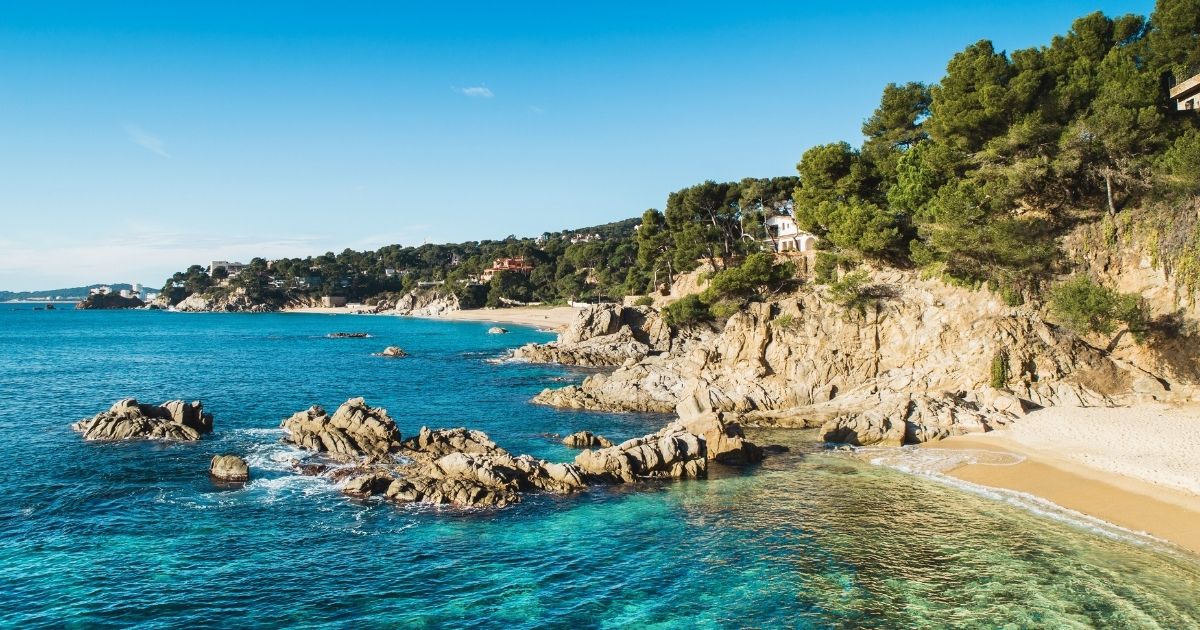
The stunning Costa Brava coastline beckons just hours away from Barcelona’s urban energy, offering digital nomads the perfect escape to crystalline waters, medieval villages, and dramatic clifftop views. Understanding how to get to Costa Brava from Barcelona opens up a world of weekend retreats and inspiring workation destinations along Catalonia’s most beautiful stretch of Mediterranean coast.
From the artistic legacy of Salvador Dalí in Figueres to the pristine beaches of Tossa de Mar, the Costa Brava provides diverse experiences that can rejuvenate any remote worker’s creativity and motivation. This comprehensive guide explores every method for how to get to Costa Brava from Barcelona, helping digital nomads choose the best approach based on their schedule, budget, and adventure preferences.
Understanding Costa Brava: your mediterranean escape destination

The Costa Brava stretches along Catalonia’s northeastern coastline from just north of Barcelona to the French border, encompassing over 200 kilometers of varied landscapes. Major destinations include Lloret de Mar, Tossa de Mar, Girona, Figueres, and Cadaqués, each offering unique attractions and atmospheres.
Girona stands out as the Costa Brava’s most nomad-friendly destination, featuring excellent WiFi infrastructure, numerous coworking spaces, and a thriving international community. Smaller coastal towns like Tossa de Mar offer seasonal connectivity and charming seaside work environments, though infrastructure may be more limited during off-season periods.
🌟 Pro tip: Costa Brava’s shoulder seasons (April-May and September-October) offer the perfect balance of pleasant weather, fewer crowds, and lower accommodation prices – ideal for digital nomads seeking productive coastal retreats.
Train services: comfortable and scenic Costa Brava access
Understanding how to get to the Costa Brava from Barcelona by train provides one of the most comfortable and environmentally friendly options for reaching this stunning region. Spain’s regional train network connects Barcelona directly to several major Costa Brava destinations, offering scenic journeys through Catalonian countryside.
The main railway line serving Costa Brava destinations is the R1 line, which runs from Barcelona Sants and Passeig de Gràcia stations northward through coastal and inland towns. This service provides regular connections throughout the day, making it convenient for both day trips and extended stays.
💡 Did you know? Many Costa Brava municipalities offer free public WiFi in central areas and beaches during summer months, making it easier for digital nomads to stay connected while exploring different towns along the coast.
Key routes and pricing
The R1 line directly serves Blanes, the southernmost Costa Brava town, with journey times of approximately 1 hour and 20 minutes from Barcelona’s city center. For Girona, high-speed AVE and regional trains provide frequent connections, with journey times ranging from 40 minutes (AVE) to 1 hour 20 minutes (regional trains).
Train tickets to Costa Brava destinations typically cost between €7-15 for regional services, while high-speed options to Girona range from €15-25 depending on booking timing. While trains provide excellent access to major hubs, reaching specific coastal towns often requires additional bus connections from Girona.
Bus services: direct routes to Costa Brava highlights
Bus services offer another excellent option for those researching how to get to Costa Brava from Barcelona, often providing direct routes to destinations not easily accessible by train. Sagalés operates the most comprehensive Costa Brava bus network from Barcelona, with services departing from Barcelona Nord bus station.
Direct bus services connect Barcelona to Lloret de Mar, Tossa de Mar, and other major coastal destinations, with journey times typically ranging from 1.5 to 2.5 hours depending on traffic conditions.
Schedules and costs
Summer schedules offer the most frequent departures, with buses running every 30-60 minutes to popular destinations. Winter services operate reduced schedules, though major routes maintain hourly service for those planning how to get to Costa Brava from Barcelona during off-season periods.
Bus fares generally range from €8-18 depending on destination and season, making them competitive with train services while often providing more direct routing to specific coastal towns. These buses typically feature air conditioning, WiFi, and comfortable seating suitable for digital nomads.
Car Rental: ultimate flexibility for Costa Brava exploration
Renting a car provides the ultimate flexibility when determining how to get to Costa Brava from Barcelona, especially for digital nomads planning extended stays or wanting to explore multiple destinations at their own pace. The drive from Barcelona to various Costa Brava destinations ranges from 1-2.5 hours, depending on your route and destination.
The AP-7 autopista (toll highway) provides the fastest route to most Costa Brava destinations, while coastal roads offer more scenic alternatives. Having a car enables access to hidden beaches, remote villages, and mountain retreats that public transport cannot reach.
Routes and practical tips
The most direct route to southern Costa Brava destinations like Blanes and Lloret de Mar follows the AP-7 north from Barcelona, with journey times typically ranging from 60-90 minutes. For Girona or northern areas, the same route continues north, serving as an excellent base for exploring the broader region.
🌟 Pro tip: consider staying connected during your Costa Brava road trip with Holafly’s extensive coverage options to ensure reliable navigation and communication throughout the region, especially when exploring more remote coastal areas.
Costa Brava destinations vary significantly in parking availability and costs. Larger towns offer paid parking areas (€5-15 per day), while smaller villages may have limited parking that fills quickly during peak season.
Organized tours and day trips: hassle-free Costa Brava access
For digital nomads who prefer structured experiences, organized tours provide an excellent solution for how to get to Costa Brava from Barcelona. Multiple companies offer day trips that combine transportation, guided commentary, and curated stops at the region’s highlights.
Full-day Costa Brava tours usually visit 2-3 destinations, commonly including Tossa de Mar for its medieval castle and beaches, plus artistic towns like Cadaqués or the Dalí Museum in Figueres. Most tours cost between €45-85 per person, including transportation and guide services.
Tour benefits for digital nomads
These comprehensive tours provide broad regional exposure in a single day, operating 8-10 hours with morning departures and evening returns. Specialized tours focus on specific themes such as art, gastronomy, or outdoor activities, offering networking opportunities with like-minded travelers.
Tours eliminate logistics concerns while providing air-conditioned coaches with WiFi, allowing for light work during transit periods. This option works well for busy professionals with limited planning time or first-time visitors wanting comprehensive regional exposure.
Planning your visit: transportation and timing strategies
Your chosen method for how to get to Costa Brava from Barcelona significantly influences your itinerary possibilities and experience quality. Different transportation options work better for various travel styles and destination preferences.
Day trips vs. extended stays
For single-day visits, organized tours or direct bus services to major destinations provide the most efficient time use. Train travel to Girona followed by local bus connections offers more flexibility for independent travelers, though it requires more planning.
For longer visits, car rental provides maximum flexibility for exploring multiple destinations and discovering hidden gems. Train access to Girona makes it an excellent base for extended exploration, offering urban amenities and reliable connectivity.
Seasonal considerations
Summer months offer the fullest Costa Brava experience, with maximum transportation schedules and fully animated coastal towns. However, crowds can impact transport comfort and destination enjoyment, while prices reach peak levels.
Spring (April-May) and autumn (September-October) provide ideal conditions for those learning how to get to Costa Brava from Barcelona while avoiding peak season pressures. Winter visits offer the most affordable options, though many coastal services operate reduced schedules.
💡 Did you know? Costa Brava’s diverse microclimates mean weather can vary significantly between destinations just 30 minutes apart, making flexible transportation valuable for chasing optimal working conditions.
Budget planning and cost comparisons

Understanding the complete cost structure for different methods for how to get to Costa Brava from Barcelona helps digital nomads make informed financial decisions aligned with their travel budgets.
Public transport represents the most economical option, with train and bus fares ranging from €7-25 depending on destination and service type. Car rental costs typically range from €25-60 per day plus fuel and tolls (€8-12 each way for autopista routes). Organized tours cost €45-85 per person but include transportation and guide services.
Consider additional costs like parking fees, highway tolls, and potential accommodation upgrades for extended stays in Costa Brava destinations when planning your budget.
Final thoughts: choosing your perfect Costa Brava adventure
Selecting the ideal method for how to get to Costa Brava from Barcelona depends on balancing your priorities of cost, convenience, flexibility, and experience goals. Each transportation option serves different travel styles and opens unique possibilities for exploring this stunning Mediterranean region.
Budget-conscious digital nomads often find public transport provides excellent value while connecting efficiently to major destinations. Those prioritizing comprehensive exploration may prefer rental cars for ultimate flexibility. Organized tours offer structured experiences perfect for first-time visitors or busy professionals.
Success lies in matching your transportation choice with your specific goals, whether seeking inspiration for creative work, networking opportunities, or simply enjoying Mediterranean coastal beauty as a counterbalance to intensive remote work periods.
Ready to discover the breathtaking beauty of Costa Brava while maintaining your digital nomad lifestyle? The region’s stunning coastline and charming towns provide the perfect escape from Barcelona’s urban intensity. For comprehensive planning assistance and more Spanish destination insights, explore our detailed guide to the best destinations in Spain to help plan your perfect Mediterranean workation.
Let Nomada guide your journey to the perfect balance of coastal exploration and productive remote work 🌊
👉 Start planning your unforgettable Costa Brava adventure today!
Frequently asked questions about how to visit Costa Brava from Barcelona
Regional trains and buses offer the most economical options, with fares starting around €7-10 to destinations like Blanes. The R1 train to Blanes provides excellent value, while bus services often offer direct routes to coastal towns at competitive prices.
Journey times vary by destination and transport method. Blanes takes about 1 hour 20 minutes by train, Girona requires 40 minutes to 1 hour 20 minutes depending on service type, while coastal destinations like Tossa de Mar need 1.5-2 hours by bus.
Yes, though options depend on transportation choice. Organized tours typically visit 2-3 towns in a single day. With a rental car, you can easily explore multiple destinations. Public transport requires more planning but allows visits to 2 destinations with careful timing.
Advance booking isn’t essential for regular train and bus services, though it often provides better prices and guaranteed seating. High-speed trains to Girona and organized tours should be booked ahead, especially during peak season.
Major towns like Girona, Lloret de Mar, and Tossa de Mar offer good WiFi infrastructure in accommodations and public areas. Smaller coastal villages may have more limited connectivity, especially during off-season periods.