Planning your journey between Spain’s two most vibrant cities requires understanding the various transportation options available and choosing the method that best suits your travel style, budget, and schedule. Learning how to get from Barcelona to Madrid efficiently can significantly impact your Spanish adventure, whether you’re exploring both cities during a short vacation or relocating between these cultural capitals.
The 621-kilometer journey between Barcelona and Madrid offers travelers multiple transportation choices, each with distinct advantages depending on your priorities. From high-speed trains that showcase Spain’s countryside to budget flights that maximize your time in each destination, understanding the pros and cons of each option helps you make informed decisions.
Whether you prioritize speed, comfort, cost-effectiveness, or scenic beauty, this comprehensive guide will walk you through every viable method for how to get from Barcelona to Madrid. You’ll discover insider tips, timing strategies, and practical advice that ensures your intercity travel enhances rather than complicates your Spanish journey.
High-speed train: the premium experience
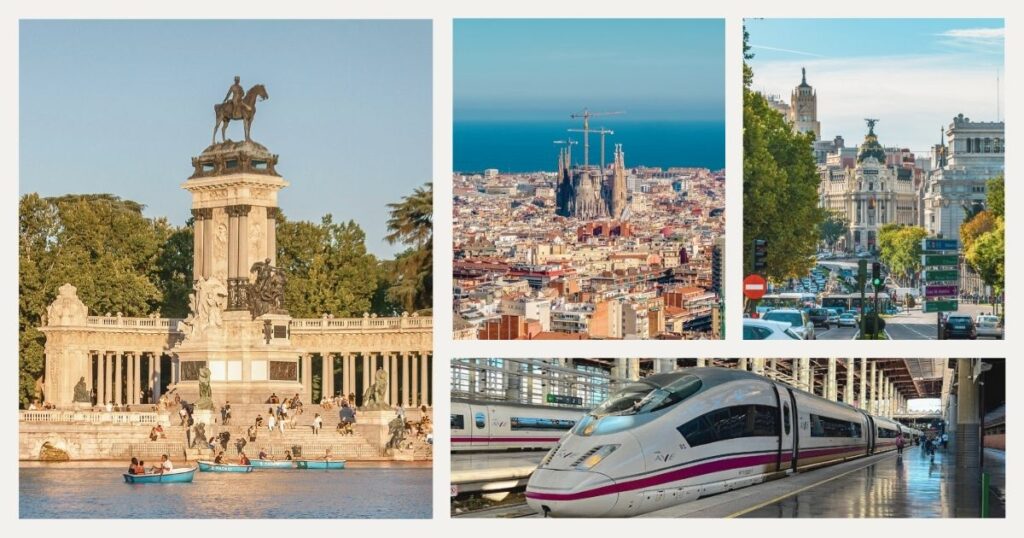
The high-speed train represents the most popular and often most convenient option when considering how to get from Barcelona to Madrid. Spain’s AVE (Alta Velocidad Española) trains offer a perfect blend of speed, comfort, and reliability that makes intercity travel a pleasure rather than a chore.
AVE train service and experience
The AVE high-speed train provides the most seamless experience for travelers wondering how to get from Barcelona to Madrid while enjoying premium comfort. These trains operate multiple times daily, with journey times typically ranging from 2 hours and 30 minutes to 3 hours, depending on the specific service and number of stops.
AVE trains feature spacious seating, onboard Wi-Fi, dining services, and large windows that showcase Spain’s diverse landscapes. The trains maintain consistent schedules with minimal delays, making them ideal for travelers with tight itineraries or business commitments.
Boarding occurs at Barcelona Sants station and arrives at Madrid’s Atocha station, both centrally located with excellent public transportation connections. The city-center to city-center convenience eliminates airport transfer times and makes the total journey time competitive with flying.
🌟 Pro tip: book AVE tickets in advance through Renfe’s website or app to secure better prices and seat preferences. Tickets often cost significantly more when purchased on the day of travel, especially during peak seasons.
Pricing and classes
Understanding AVE pricing helps optimize costs when figuring out how to get from Barcelona to Madrid within your budget. Ticket prices typically range from €25-€150, depending on booking timing, travel class, and demand levels during your chosen travel dates.
Renfe offers various fare types, from basic Básico tickets with limited flexibility to Premium tickets that include meal service and lounge access. Different classes include Turista (economy), Turista Plus (economy plus), and Preferente (business class).
💡 Did you know? AVE trains offer Preferente class with meal service, wider seats, and access to VIP lounges at major stations, while basic tickets still include comfortable seating and onboard Wi-Fi.
Flying: speed and efficiency
Air travel provides the fastest option for how to get from Barcelona to Madrid when considering pure travel time, though total journey time, including airport procedures, may not always represent the quickest overall experience.
Flight options and total journey time
Multiple airlines operate frequent flights on the Barcelona-Madrid route, offering travelers various options when determining how to get from Barcelona to Madrid by air. Iberia, Vueling, and Air Europa provide the most comprehensive service, with flights departing approximately every hour throughout the day.
Flight duration typically ranges from 1 hour and 15 minutes to 1 hour and 30 minutes, making air travel the fastest transportation method between these cities. However, factoring in airport arrival times, security procedures, and airport-to-city transfers often extends total travel time to 3-4 hours.
Barcelona flights depart from El Prat Airport, located about 15 kilometers from the city center, while Madrid flights arrive at Barajas Airport, approximately 12 kilometers from central Madrid. Both airports offer efficient public transportation connections to their respective city centers.
Cost and booking considerations
Budget airlines often provide competitive pricing for travelers researching how to get from Barcelona to Madrid economically. Advance booking typically yields the best prices, with tickets sometimes available for under €50 during promotional periods or off-peak travel times.
However, additional costs for checked baggage, airport transfers, and potential delays can increase total travel expenses. Consider these factors when comparing flight costs to other transportation options, particularly if you’re traveling with substantial luggage.
🌟 Pro tip: for staying connected during your journey and navigating airport transfers, consider Holafly’s seamless connectivity solutions to ensure you have reliable internet access throughout your Barcelona to Madrid travel experience.
Bus travel: budget-friendly and flexible
Bus travel offers the most economical option for how to get from Barcelona to Madrid, particularly appealing to budget-conscious travelers who don’t mind longer journey times in exchange for significant cost savings.
Bus services and journey experience
Several bus companies operate regular services for travelers seeking how to get from Barcelona to Madrid affordably. ALSA provides the most comprehensive service with multiple daily departures, modern coaches, and various comfort levels to suit different budgets and preferences.
Journey times typically range from 7-9 hours depending on the specific route and number of stops. Modern buses feature reclining seats, air conditioning, onboard entertainment systems, and Wi-Fi connectivity, making long-distance travel more comfortable than traditional bus experiences.
Departures occur from Barcelona’s Estació del Nord, while Madrid arrivals typically use the Estación Sur de Autobuses. Both terminals offer good public transportation connections, though they’re located slightly outside city centers compared to train stations.
Pricing and value
Bus tickets represent the most affordable option when considering how to get from Barcelona to Madrid on a tight budget. Prices typically range from €15-€40 depending on booking timing, seat selection, and travel dates, making bus travel accessible to virtually any budget.
Advanced booking often yields additional savings, while last-minute purchases remain relatively affordable compared to other transportation methods. Bus companies frequently offer promotional fares and discounts for students, seniors, or return journeys.
💡 Did you know? Many bus services include rest stops at service areas with restaurants and facilities, providing opportunities to stretch, eat, and explore small Spanish towns during your journey.
Driving: freedom and flexibility
Renting a car provides maximum flexibility for travelers who want complete control over their journey timing and route when figuring out how to get from Barcelona to Madrid independently.
Routes and driving experience
The most direct driving route for how to get from Barcelona to Madrid follows the AP-2 and A-2 highways, covering approximately 621 kilometers with an estimated driving time of 6-7 hours. This route offers excellent road conditions, clear signage, and multiple service areas for rest stops.
Alternative routes through more scenic areas can extend journey times but provide opportunities to explore the Spanish countryside, historic towns, and regional attractions. The flexibility to stop whenever desired makes driving particularly appealing for travelers interested in discovering Spain beyond major cities.
Toll costs for the most direct route typically range from €40-€60, depending on vehicle type and specific route choices. Fuel expenses add additional costs, but remain reasonable compared to other European countries.
Practical requirements
International visitors need a valid driving license, with some countries requiring International Driving Permits for car rental in Spain. Most major car rental companies operate at Barcelona and Madrid airports, offering convenient pickup and drop-off locations.
Parking in both Barcelona and Madrid can be challenging and expensive, particularly in city centers. Consider accommodation with parking facilities or research public parking options near your destinations when planning your driving journey.
🌟 Pro tip: download offline maps and traffic apps before departure, as mobile data coverage can be inconsistent in rural areas between Barcelona and Madrid, especially in mountainous regions.
Timing and choosing the right option
Understanding optimal timing and decision factors helps maximize your experience, regardless of which method you choose for how to get from Barcelona to Madrid.
Peak periods and seasonal considerations
Spanish holiday periods significantly impact transportation availability and pricing when planning how to get from Barcelona to Madrid. Easter week, summer months (July-August), and Christmas/New Year periods see increased demand and higher prices across all transportation methods.
Advance booking becomes crucial during these peak periods, particularly for train travel and flights. Bus services typically maintain more consistent pricing but may experience longer journey times due to increased traffic. Weekday travel often offers better pricing and availability compared to weekends.
Weather conditions rarely impact travel significantly, as Spain’s transportation infrastructure handles most weather conditions effectively. However, summer heat can make bus travel less comfortable despite air conditioning.
Making your decision
Business travelers and those with tight schedules typically prefer AVE trains for their reliability, comfort, and city-center connections. The combination of reasonable journey times and minimal hassle makes trains ideal for travelers prioritizing efficiency over cost savings.
Budget travelers often choose bus services for significant cost savings, accepting longer journey times in exchange for keeping more money available for accommodation, dining, and activities in both cities.
Flying works best for travelers continuing to international destinations or those with extremely tight schedules, though the total journey time advantage over trains often proves minimal when considering airport procedures.
💡 Did you know? Some travelers optimize their experience by using different methods for outbound and return journeys, such as taking the scenic train route in one direction and flying return to maximize time in the final destination.
Final thoughts
Understanding how to get from Barcelona to Madrid effectively enhances your Spanish travel experience by ensuring your intercity journey aligns with your priorities, budget, and schedule. Each transportation option offers unique advantages, from the comfort and reliability of high-speed trains to the affordability of bus travel and the flexibility of driving.
The key to successful travel between these iconic Spanish cities lies in matching transportation choices to your specific needs and circumstances. Consider factors like total journey time, cost, comfort level, and flexibility requirements when making your decision.
Remember that the journey between Barcelona and Madrid can be part of your Spanish adventure rather than simply a necessity. Whether you choose to watch countryside landscapes from a train window, explore small towns during a driving break, or maximize your time in each city through efficient air travel, your transportation choice contributes to your overall experience.
For more comprehensive guidance on exploring Spain’s diverse regions and transportation networks, check out our detailed Spain travel guide for additional insights into making the most of your Spanish adventures.
Ready to explore the route between Spain’s most dynamic cities? Let Nomada help you plan seamless travel experiences that connect you to Spain’s incredible destinations 🚆
Frequently asked questions how to get from Barcelona to Madrid
Flying is technically the fastest option with 1.5-hour flight times, but when including airport transfers and procedures, AVE high-speed trains often provide comparable total journey times (2.5-3 hours) with more convenience. Trains depart from and arrive at city centers, eliminating airport transfer time.
Bus travel provides the most economical option with tickets from €15-€40, though journey times extend to 7-9 hours. AVE trains offer the best balance of cost, comfort, and time efficiency, especially when booked in advance with prices starting around €25.
For trains and flights, booking 2-4 weeks in advance typically yields the best prices and availability. Bus tickets can often be purchased closer to travel dates without significant price increases. During Spanish holidays or peak summer season, book as early as possible.
While possible, same-day travel without reservations limits your options and increases costs. Trains and flights may be fully booked or significantly more expensive. Bus services typically have more availability for same-day purchase, though popular departure times may sell out.
AVE high-speed trains generally offer the most comfortable experience with spacious seating, smooth rides, onboard services, and city-center convenience. Business class (Preferente) includes meal service and extra amenities for premium comfort.