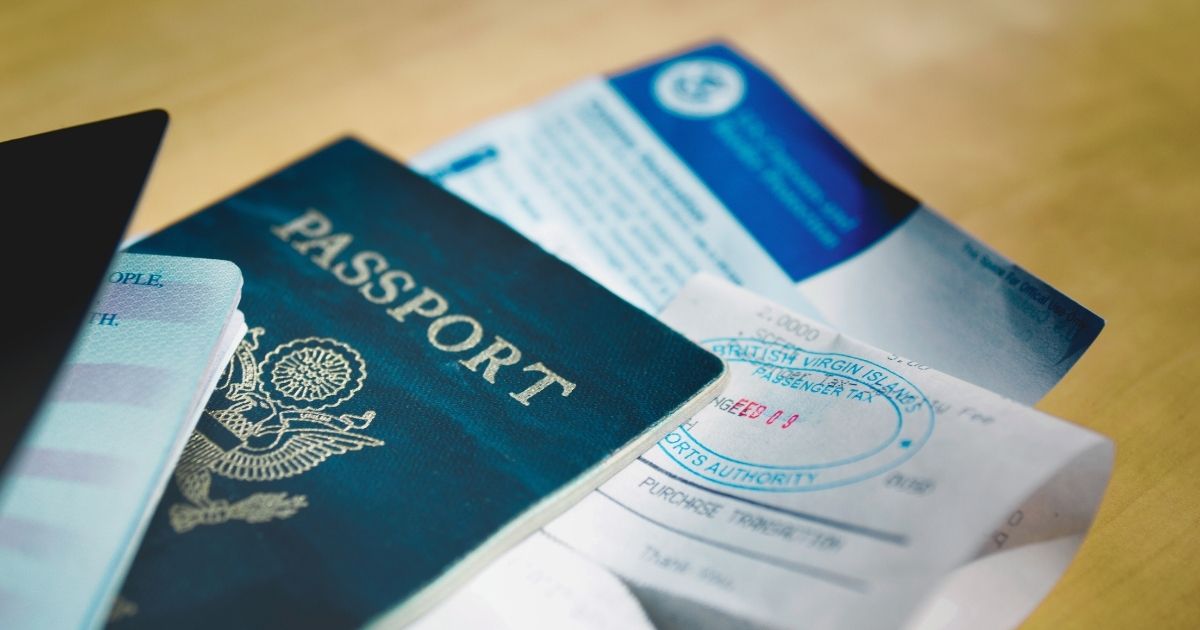
Thailand’s stunning beaches, vibrant culture, and affordable lifestyle make it a magnet for travelers who often find themselves wanting to extend their stay beyond their original plans. Whether you’ve fallen in love with Bangkok’s bustling streets, Chiang Mai’s serene temples, or the pristine southern islands, obtaining a tourist visa extension in Thailand is a straightforward process that can give you additional time to explore this incredible country.
Understanding the extension process before you need it ensures you can maximize your time in Thailand without legal complications or rushed trips to immigration offices. The Thai immigration system allows for extensions under specific conditions, making it possible for visitors to extend their stay legally.
Understanding tourist visa types and extension eligibility
Before pursuing a tourist visa extension in Thailand, it’s essential to understand the different types of tourist visas and their specific extension capabilities. Thailand offers several entry options for tourists, each with distinct rules regarding extensions.
Visa-free entry and visa on arrival extensions
Most Western passport holders can enter Thailand visa-free for 30 days, while many other nationalities can obtain a visa on arrival for 15 days. Both entry methods can be extended once for an additional 30 days, making the total possible stay 60 days for visa-free entries and 45 days for visa on arrival entries.
The tourist visa extension in Thailand for these entry types is limited to one extension per entry, meaning you cannot extend multiple times on the same visit. This restriction is strictly enforced, and attempting to extend beyond permitted limits can result in overstay penalties.
💡 Did you know? Thailand’s visa-free policy for many countries was recently extended from 30 to 60 days in 2024, but the extension rules remain the same—you can still only extend once for an additional 30 days.
Tourist Visa (TR) Extensions
Holders of proper tourist visas (TR visas) obtained from Thai consulates abroad typically receive 60-day initial stays and can extend for an additional 30 days. This means tourist visa holders can legally stay in Thailand for up to 90 days per entry with one extension.
Some nationalities may be eligible for multiple-entry tourist visas, which allow for multiple 60-day entries within six months. Each entry can be extended once for 30 days, providing flexibility for travelers planning extended stays.
Required documents and preparation
Successfully obtaining a tourist visa extension in Thailand requires careful preparation and specific documentation. Having all required documents properly prepared ensures a smooth extension process.
Essential documentation checklist
The tourist visa extension in Thailand requires several key documents. Your passport must have at least six months of validity remaining and contain at least one blank page for the extension stamp. Immigration officials are strict about passport conditions and validity requirements.
You’ll need to complete the TM.7 application form, available at immigration offices or downloadable online. The form requires basic personal information, current accommodation details, and your intended departure date.
Two recent passport-sized photographs (4cm x 6cm) with a white background are required. These must be recent photos that clearly show your face, with many immigration offices having strict requirements about photo quality.
Supporting documents and requirements
Proof of accommodation is mandatory for any tourist visa extension in Thailand. This includes hotel bookings, rental agreements, or a letter from your host if staying with friends or family. Documentation must cover your intended extended stay period.
You’ll need evidence of sufficient funds to support your extended stay. Immigration officials generally expect to see evidence of at least 10,000-20,000 THB (approximately $300-600 USD) for the extension period through bank statements, cash, or credit card statements.
A copy of your departure ticket or evidence of onward travel is often required, though this varies by immigration office. Having proof that you intend to leave Thailand within the extended period helps demonstrate compliance.
🌟 Pro tip: make multiple copies of all your documents before visiting the immigration office. Having extra copies can save time if officials require additional documentation.
Step-by-step extension process
The process for obtaining a tourist visa extension in Thailand follows a standardized procedure across all immigration offices, though minor variations may exist depending on location.
Choosing the right immigration office
Thailand has immigration offices in major cities and tourist areas throughout the country. You can apply for a tourist visa extension in Thailand at any immigration office, regardless of where you entered the country. Popular offices include Bangkok, Chiang Mai, Phuket, Pattaya, and Koh Samui.
Different offices may have varying processing times and requirements. Some offices in tourist-heavy areas may have longer wait times, while others in less popular locations might offer faster service.
Many immigration offices now offer online appointment systems to reduce waiting times. Booking an appointment in advance, especially during peak tourist seasons, can significantly reduce your time spent at the immigration office.
Application submission and processing
Arrive at the immigration office early with all required documents organized and ready. Most offices open at 8:30 AM and close at 4:30 PM on weekdays, with many also open on weekends.
Submit your completed TM.7 form along with all supporting documents. Immigration officials will review your documentation and may ask questions about your stay, accommodation, or travel plans.
Processing time for a tourist visa extension in Thailand is typically same-day, with most applications processed within 1-3 hours. During busy periods, processing may take longer.
Pay the extension fee of 1,900 THB (approximately $55 USD) when your application is approved. Payment is typically accepted in cash only, so ensure you have the exact amount in Thai baht.
Technology and communication during your extension
Modern travelers rely heavily on digital connectivity for managing visa extensions and maintaining communication during extended stays in Thailand.
Digital documentation and communication needs
Many immigration offices now accept digital copies of certain documents, though original documents are still required for verification. Having digital backups of all important documents provides peace of mind.
Communication with your home country’s embassy or consulate may be necessary if you encounter issues with your tourist visa extension in Thailand. Reliable internet access ensures you can contact diplomatic services or access embassy websites.
🌟 Pro tip: stay connected throughout your visa extension process with Holafly’s seamless eSIM technology, ensuring you have reliable internet access for digital document management, embassy communications, and maintaining contact with support services regardless of which immigration office you visit across Thailand.
Thailand’s immigration department provides online resources about visa extensions, though websites may not always be current. Having reliable internet access allows you to check requirements, download forms, and access official information before visiting immigration offices.
Costs and planning considerations

Understanding the complete cost structure and planning requirements for a tourist visa extension in Thailand helps ensure you budget appropriately and avoid unexpected expenses.
Official fees and additional costs
The standard fee for a tourist visa extension in Thailand is 1,900 THB (approximately $55 USD) regardless of your initial entry type or nationality. This fee is non-refundable, even if your extension application is denied.
Additional costs may include transportation to and from the immigration office, meals if you need to spend a full day processing, and accommodation costs if you need to travel to a different city to visit an immigration office.
Some travelers choose to use visa agencies that assist with the extension process for an additional fee. While not necessary, these services can be helpful for those unfamiliar with the process. Agency fees typically range from 1,000-3,000 THB on top of the official government fee.
Timing and strategic planning
Apply for your tourist visa extension in Thailand well before your current permission expires. While same-day processing is common, unexpected delays can cause problems if you wait until the last minute. Applying 3-7 days before your current visa expires provides a safety buffer.
Consider your future travel plans when applying for an extension. If you’re planning to leave and re-enter Thailand, the extension might not be the most cost-effective option depending on your travel patterns.
💡 Did you know? Some immigration offices offer express processing services for an additional fee, which can reduce processing time from several hours to 30-60 minutes, though this service isn’t available at all locations.
Alternative options and important considerations
While tourist visa extensions provide immediate relief for travelers wanting to extend their stay, understanding alternative options can be beneficial for those planning extended visits.
Visa runs and re-entry options
Traditional “visa runs” involve leaving Thailand and immediately re-entering to reset your visa status. While still possible, Thai immigration has become stricter about this practice, particularly for travelers who repeatedly use visa runs to stay long-term.
Border runs to neighboring countries like Malaysia, Cambodia, or Laos can reset your tourist status, but immigration officials may question travelers who show patterns of continuous tourist stays.
Long-term visa alternatives
For digital nomads planning extended stays, Thailand’s new Destination Thailand Visa (DTV) offers up to 180 days per entry with multiple entry options. This visa is specifically designed for remote workers and provides a more stable alternative to repeated extensions.
Education visas for learning the Thai language, martial arts, or cooking provide longer-term stay options. These visas require enrollment in approved schools but can provide stays of up to one year.
Extending your stay in Thailand legally ensures you can continue enjoying this incredible destination. For digital nomads considering longer-term options, explore our guide to the Thai digital nomad visa.
Ready to extend your Thai adventure? Let Nomada guide you through every step of your travel journey! 🇹🇭
Frequently asked questions about Tourist Visa extensions in Thailand
You can typically extend your tourist visa only once per entry, regardless of whether you entered visa-free, with a visa on arrival, or with a proper tourist visa. The extension period is usually 30 days. After this single extension, you must leave Thailand and re-enter if you wish to stay longer on tourist status.
Overstaying results in fines of 500 THB per day, detention, deportation, and potential entry bans depending on the length of overstay. Short overstays may only result in fines, but longer overstays can lead to detention and multi-year entry bans. It’s crucial to extend or leave before your current permission expires to avoid these serious consequences.
Yes, you can apply at any immigration office in Thailand, regardless of where you entered the country. However, some offices may have different processing times and requirements. Popular offices in tourist areas like Bangkok, Phuket, and Chiang Mai may be busier but are well-equipped to handle foreign visitors and often have English-speaking staff.
If denied, you must leave Thailand before your current permission expires. The 1,900 THB fee is non-refundable, and you’ll need to exit the country to avoid overstay penalties. Common reasons for denial include insufficient documentation, inadequate proof of funds, or previous immigration violations. Ensure you meet all requirements before applying to minimize rejection risk.
Yes, you typically need to provide accommodation proof covering your intended extended stay. This can include hotel bookings, rental agreements, or host letters with specific address details. Some immigration offices may accept flexible bookings, but having confirmed accommodation for the full extension period demonstrates your tourist intentions and improves approval chances.