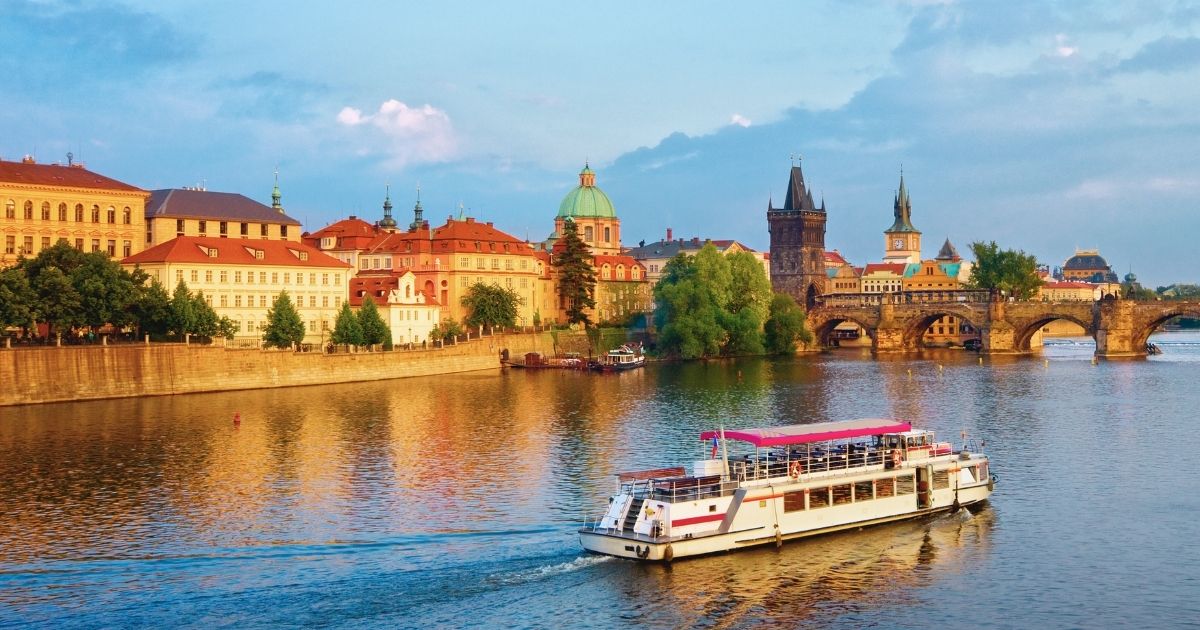
The Czech Republic has emerged as one of Europe’s most attractive destinations for remote workers, combining rich cultural heritage, affordable living costs, and excellent digital infrastructure. As a digital nomad in the Czech Republic, you’ll discover a country that seamlessly blends medieval charm with modern innovation, offering an ideal environment for location-independent professionals seeking European residence.
Prague’s stunning architecture, vibrant startup scene, and growing coworking community have made the Czech Republic increasingly popular among international remote workers. The government has recognized this trend by developing immigration pathways that accommodate the needs of digital nomads.
Understanding the Czech Republic’s digital nomad visa options
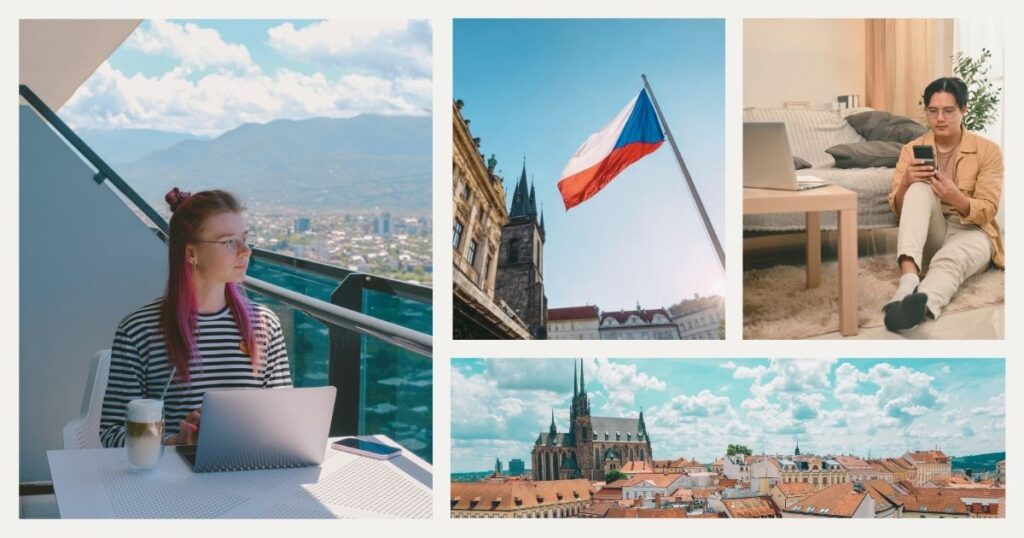
While the Czech Republic doesn’t offer a specific visa labeled “digital nomad visa,” several existing visa categories effectively serve as pathways for remote workers. Understanding these options helps ensure you select the most appropriate route for your specific situation as a digital nomad in the Czech Republic.
Freelance Visa (Živnostenský List)
The most common pathway for digital nomads is the freelance visa, which allows you to work as a self-employed individual providing services to international clients. This visa requires obtaining a trade license (živnostenský list) that permits various types of freelance activities, including consulting, writing, design, programming, and other digital services.
The freelance visa pathway offers significant flexibility for digital nomads, allowing you to work with multiple international clients while maintaining legal residence. This option requires demonstrating sufficient financial resources and providing documentation of your professional qualifications and intended business activities.
Initial permits are typically granted for one year and can be renewed for additional periods, eventually leading to permanent residence eligibility. The process involves registering your business activities with the Czech authorities and obtaining the necessary permits before you can legally work as a digital nomad in the Czech Republic.
💡 Did you know? The Czech Republic’s freelance visa allows digital nomads to work in over 80 different business categories, making it one of the most flexible self-employment visa programs in Europe.
Employee card for third-country nationals
For digital nomads who work as employees for international companies, the Employee Card provides another viable pathway. This option requires having an employment contract with a company that can demonstrate the need for your services and your ability to work remotely from the Czech Republic.
The Employee Card combines both residence and work authorization in a single document, simplifying the administrative process for employed digital nomads. This pathway typically requires your employer to participate in the application process and provide supporting documentation.
Application requirements and documentation
Successfully applying for residence as a digital nomad in the Czech Republic requires careful preparation of extensive documentation and meeting specific financial and professional requirements.
Financial requirements and proof of income
Financial stability represents one of the most critical requirements for digital nomad applications. You must demonstrate sufficient funds to support yourself during your stay, typically requiring bank statements showing at least €2,500-€4,000 in available funds, depending on your chosen visa pathway and intended length of stay.
Income documentation varies based on your professional situation but generally includes contracts with clients or employers, tax returns from your home country, and bank statements showing regular income deposits. For freelancers, you’ll need to provide detailed information about your client base and projected income.
The Czech authorities evaluate your financial situation holistically, considering both your available savings and ongoing income potential. Demonstrating diversified income sources and long-term client relationships strengthens your application.
Professional qualifications and background documentation
Czech immigration authorities require comprehensive documentation of your professional background, including educational credentials, work experience, and specialized skills that qualify you for remote work. University degrees, professional certifications, and portfolio materials all contribute to demonstrating your qualifications.
Criminal background checks from your home country and any countries where you’ve lived for extended periods are mandatory. These documents must be apostilled and translated into Czech, adding time and complexity to the application process.
🌟 Pro tip: start gathering your documentation at least three months before your intended application date, as obtaining apostilled documents and official translations can take several weeks.
Application process and timeline
The application process for becoming a digital nomad in the Czech Republic involves multiple steps and can take several months from initial preparation to final approval.
Initial application preparation
Begin your application process by determining which visa category best fits your situation and gathering all required documentation. This preparation phase typically takes 2-3 months and involves obtaining official documents from your home country, getting them apostilled, and having them translated into Czech by certified translators.
Schedule your application appointment at a Czech consulate in your home country or country of current legal residence. Appointment availability varies significantly by location, with some consulates requiring several weeks’ advance booking.
Application submission and processing
Submit your complete application package during your scheduled consulate appointment. The initial review process typically takes 2-4 weeks, during which officials verify your documentation and may request additional information.
Processing times for visa applications generally range from 60-90 days, though complex cases may take longer. Once approved, you’ll receive notification to collect your residence permit, which allows you to enter the Czech Republic and begin registering your local address.
Technology and connectivity for digital nomads

The Czech Republic offers excellent digital infrastructure that supports the needs of remote workers, with reliable internet connectivity, modern coworking spaces, and comprehensive mobile networks.
Internet infrastructure and coworking spaces
Prague and other major Czech cities provide world-class internet infrastructure with widespread fiber optic availability. Most apartments and coworking spaces offer internet speeds of 100+ Mbps, sufficient for video conferencing and other bandwidth-intensive activities.
The coworking scene in Prague has exploded in recent years, with spaces like Node5, Locus Workspace, and HubHub providing professional environments specifically designed for digital nomads and remote workers. These spaces often include meeting rooms, printing facilities, and networking events.
🌟 Pro tip: maintain seamless connectivity throughout your Czech adventure with Holafly’s reliable European data solutions, ensuring consistent internet access for work commitments, visa application updates, and staying connected with clients and family while exploring everything the Czech Republic has to offer.
Mobile connectivity and financial services
Czech mobile networks provide excellent coverage throughout the country, with 4G LTE widely available in urban areas and 5G deployment expanding in major cities. Local providers offer competitive data plans suitable for digital nomads who need reliable mobile connectivity.
Banking and financial services have embraced digital solutions, with most Czech banks offering comprehensive online and mobile banking platforms available in English. This digital infrastructure simplifies financial management for international residents.
Living costs and cultural integration
Understanding the cost structure and cultural aspects helps digital nomads budget effectively and integrate successfully into Czech society while maintaining their remote work lifestyle.
Cost of living and budgeting
The Czech Republic offers significantly lower living costs compared to Western European countries while maintaining a high quality of life. Monthly living expenses for a digital nomad in the Czech Republic typically range from €800-€1,500, depending on lifestyle choices and accommodation preferences.
Housing represents the largest expense category, with studio apartments in Prague averaging €400-€700 monthly, while one-bedroom apartments range from €600-€1,200. Smaller cities like Brno offer similar amenities at 20-30% lower costs.
Food costs remain very reasonable, with excellent local restaurants offering meals for €5-€12 and grocery expenses averaging €200-€300 monthly. Public transportation is efficient and affordable, with monthly passes costing around €20-€25.
Healthcare and cultural considerations
Health insurance is a mandatory requirement for all digital nomad visa applications. EU citizens can use their European Health Insurance Card (EHIC) for basic coverage, while non-EU citizens must obtain comprehensive private health insurance that meets Czech requirements.
The Czech healthcare system ranks among Europe’s best, offering high-quality medical care at reasonable costs. Private health insurance plans typically cost €50-€150 monthly and provide access to both public and private healthcare facilities.
💡 Did you know? The Czech Republic’s healthcare system consistently ranks in the top 15 globally for quality and accessibility, providing digital nomads with access to excellent medical care at a fraction of the cost found in many other developed countries.
While English proficiency is widespread in Prague’s business communities, learning basic Czech demonstrates respect for local culture. Czech business culture values punctuality, direct communication, and professional competence. Networking events and coworking spaces provide excellent opportunities to connect with local entrepreneurs and international professionals.
The Czech Republic offers an exceptional combination of cultural richness, modern infrastructure, and affordable living for digital nomads seeking European residence. For those considering various European options, explore our guide to digital nomad visa programs.Ready to begin your Czech adventure? Let Nomada guide you through every step of your digital nomad journey! 🏰
Frequently asked questions about the Digital Nomad Visa for Czech Republic
Initial residence permits for digital nomads are typically granted for one year and can be renewed for additional periods. After five years of continuous legal residence, you become eligible to apply for permanent residence. The renewal process requires demonstrating continued financial stability and compliance with visa conditions.
Tax obligations depend on your residence status and the source of your income. If you spend more than 183 days per year in the Czech Republic or have your primary economic interests there, you may be considered a tax resident. Consulting with a local tax advisor is recommended for understanding your specific situation.
Yes, a Czech residence permit allows travel throughout the Schengen Area for up to 90 days within any 180-day period. This freedom of movement makes the Czech Republic an excellent base for exploring Europe while maintaining your primary residence and work authorization.
If your application is rejected, you’ll receive a detailed explanation of the reasons for denial. You can address the issues raised and reapply, or appeal the decision through administrative channels. Common rejection reasons include insufficient financial documentation, incomplete paperwork, or failure to meet specific requirements.
Generally, you cannot change your status from tourist to resident while in the Czech Republic. Most digital nomad visa applications must be submitted from your home country or country of legal residence. However, specific circumstances may allow for in-country applications, so consulting with immigration authorities is recommended.
Work restrictions depend on your specific visa category. Freelance visas allow work in categories specified in your trade license, while employee cards restrict you to work for your sponsoring employer. Most pathways prohibit employment with Czech companies unless you obtain separate work authorization.