
South America beckons digital nomads with its diverse landscapes, vibrant cultures, and affordable living costs. From the bustling tech hubs of Buenos Aires to the co-working cafes of Medellín, this continent offers incredible opportunities for remote workers. However, navigating visa requirements across twelve different countries can feel overwhelming without proper guidance.
Understanding the right visa tips for South America can transform your travel planning from stressful to seamless. This comprehensive guide covers essential visa requirements, application processes, and insider tips that ensure you can focus on building your remote career while experiencing South American culture.
Understanding South American visa categories and requirements
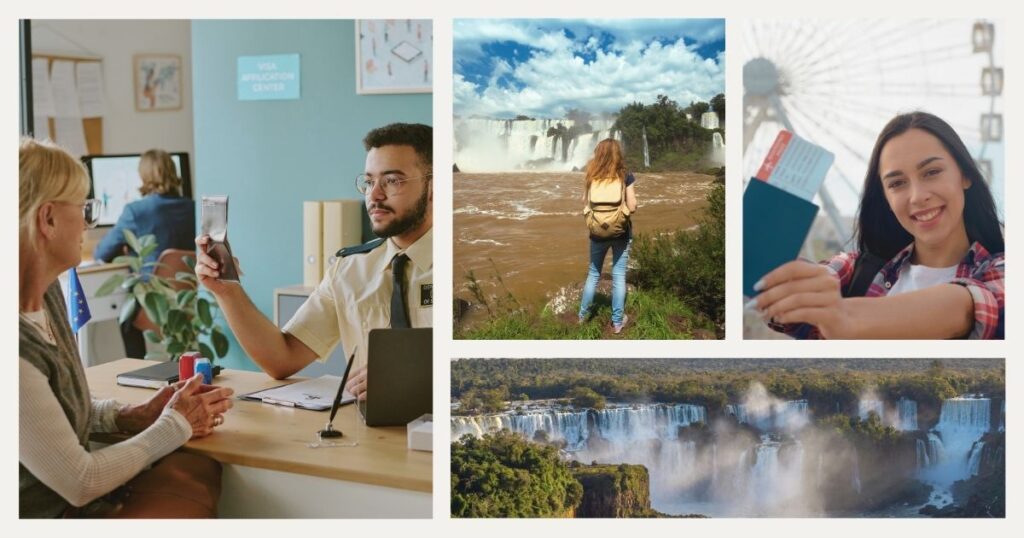
Before diving into specific visa tips for South America, it’s essential to understand the different types of visas available and how they apply to digital nomads. South American countries typically offer several visa categories, each designed for different purposes and lengths of stay.
Tourist visas remain the most common entry point for digital nomads, typically allowing stays of 30 to 90 days without requiring extensive documentation. Most countries offer visa-free entry or visa-on-arrival options for citizens of major Western countries, making initial entry relatively straightforward.
However, the landscape is rapidly evolving with the introduction of digital nomad visas. Countries like Argentina, Brazil, and Colombia have launched or are developing specific visa programs for remote workers, recognizing the economic benefits of attracting location-independent professionals.
Tourist visas: your gateway to South America
Tourist visas serve as the foundation for most digital nomad journeys in South America. These visas typically allow stays ranging from 30 to 180 days, depending on your nationality and the specific country you’re visiting.
For U.S., Canadian, and most European citizens, countries like Peru, Ecuador, and Colombia offer visa-free entry for 90 days. Brazil and Argentina also provide straightforward tourist visa processes, though some nationalities may require advance applications.
The key advantage of tourist visas lies in their simplicity—minimal documentation, quick processing times, and the flexibility to enter and exit multiple times during the validity period. However, it’s crucial to understand that working on a tourist visa, even remotely, exists in a legal gray area in many countries.
Digital nomad visas: the future of remote work travel
The emergence of dedicated digital nomad visas represents a significant shift in how South American countries approach remote workers. These visas explicitly allow you to work remotely while residing in the country, eliminating the legal ambiguity associated with working on tourist visas.
Argentina’s “Digital Nomad Visa” program allows remote workers to stay for up to 12 months, while Brazil is developing similar initiatives. These visas typically require proof of remote employment, minimum income thresholds, and comprehensive health insurance coverage.
Country-specific visa requirements and application processes
Each South American country has unique visa requirements and application processes that digital nomads must navigate carefully. Understanding these differences is crucial for planning multi-country trips and ensuring compliance with local immigration laws. Following the right visa tips for South America can save you significant time and potential complications at borders.
Brazil stands out as one of the more complex visa processes, requiring advance applications for many nationalities. However, the country’s size and diversity make the extra effort worthwhile, offering everything from tropical beaches to bustling metropolitan areas perfect for remote work.
Argentina and Chile offer more straightforward processes for most Western visitors, with visa-free entry allowing immediate exploration of their vibrant cities and natural wonders. Colombia has become increasingly popular among digital nomads due to its welcoming visa policies and growing expat communities.
Brazil: navigating complex but rewarding requirements
Brazil’s visa requirements vary significantly based on nationality, with some countries requiring advance applications while others enjoy visa-free entry. U.S. citizens, for example, must obtain an e-visa before arrival, while EU citizens can enter visa-free for up to 90 days.
The Brazilian e-visa application requires completing an online form, providing passport photos, and paying processing fees. The system typically processes applications within five business days, though applying at least two weeks before travel is recommended.
For digital nomads planning extended stays, Brazil offers renewable tourist visas and is developing a comprehensive digital nomad program that could launch within the next year, potentially revolutionizing how remote workers experience this diverse country.
Argentina: gateway to southern cone adventures
Argentina provides one of the most welcoming visa environments in South America, offering visa-free entry to citizens of most Western countries for up to 90 days. The country’s digital nomad visa program, launched in recent years, allows qualifying remote workers to extend their stays significantly.
Buenos Aires has emerged as a major digital nomad hub, combining European-style culture with Latin American energy and relatively affordable living costs. The city’s extensive co-working scene and reliable internet infrastructure make it ideal for remote professionals.
Colombia: the rising star of digital nomad destinations
Colombia has rapidly become one of South America’s most popular digital nomad destinations, thanks to its progressive visa policies, growing tech scene, and incredible cultural diversity. Most visitors can enter visa-free for up to 90 days, with the possibility of extending for an additional 90 days.
Medellín and Bogotá have developed thriving expat communities, offering excellent co-working spaces, networking events, and support systems for digital nomads. The country’s year-round spring-like climate in many regions adds to its appeal for location-independent workers.
Essential documentation and preparation tips
Successful visa applications and smooth border crossings depend heavily on proper documentation and preparation. Having the right paperwork organized and readily accessible can mean the difference between seamless travel and frustrating delays or even entry denials. These essential visa tips for South America emphasize the importance of thorough preparation.
Beyond standard passport requirements, many South American countries now require proof of onward travel, accommodation bookings, and financial resources. Digital nomads should prepare both physical and digital copies of all essential documents, ensuring accessibility even when internet connectivity is limited.
Document checklist for South American travel
Essential documents include a passport valid for at least six months beyond your planned departure date, recent passport photos, and proof of sufficient financial resources.
Many countries require proof of onward travel, which can be demonstrated through return flight tickets or reservations to continue traveling to another destination. Accommodation confirmations, whether hotel bookings or Airbnb reservations, help demonstrate your travel plans and local contacts.
For digital nomads, additional documentation might include proof of remote employment, income statements, or letters from employers confirming your work arrangements. These documents become particularly important when applying for digital nomad visas or extended stay permits.
Financial requirements and proof of funds
Most South American countries require visitors to demonstrate adequate financial resources to support themselves during their stay. These requirements vary significantly between countries and visa types, ranging from $50 to $200 per day of intended stay.
Bank statements from the past three months typically serve as acceptable proof of funds, though some countries may require certified translations or apostilled documents. Digital nomads should maintain healthy bank balances and be prepared to show multiple funding sources.
Staying connected: internet and communication for digital nomads

Reliable internet connectivity is crucial for digital nomads, and South America’s internet infrastructure varies significantly between urban centers and rural areas. Planning your connectivity strategy is just as important as understanding visa requirements for maintaining productivity while traveling.
Major cities like Buenos Aires, São Paulo, and Bogotá offer excellent internet speeds and comprehensive coverage, with numerous co-working spaces providing professional-grade connectivity. However, internet quality can decline rapidly when venturing into more remote areas or smaller towns.
Mobile connectivity solutions for seamless work
Maintaining consistent internet access while traveling through South America requires strategic planning and backup solutions. Traditional roaming charges can quickly become prohibitively expensive, making alternative connectivity solutions essential for budget-conscious nomads.
🌟 Pro tip: consider Holafly’s flexible eSIM plans for reliable internet access across South America, offering competitive rates and seamless connectivity that keeps you productive regardless of your location.
Border crossings and multi-country travel strategies
One of South America’s greatest advantages for digital nomads is the relative ease of traveling between countries, thanks to regional agreements and shared borders. However, successful multi-country travel requires understanding border crossing procedures and strategic route planning. Implementing smart visa tips for South America can help you navigate these regional movements efficiently.
The Mercosur agreement allows for simplified travel between Argentina, Brazil, Paraguay, and Uruguay, while the Andean Community facilitates movement between Colombia, Ecuador, Peru, and Bolivia. These agreements can significantly reduce visa complexity for regional travel.
Maximizing visa-free periods through strategic travel
Smart route planning allows digital nomads to maximize their time in South America while staying within legal visa limits. By understanding each country’s visa policies and renewal options, you can create travel itineraries that provide months of legal residency across the region.
The “visa run” strategy involves leaving a country before your visa expires and returning after a brief absence to reset your visa-free period. While not all countries explicitly allow this practice, many digital nomads successfully use this approach to extend their South American adventures.
💡 Did you know? Some border crossings between South American countries can take several hours, especially during peak travel periods, so planning for potential delays helps maintain realistic travel schedules.
Final thoughts
South America offers incredible opportunities for digital nomads willing to navigate its diverse visa landscape thoughtfully and strategically. From the cosmopolitan energy of Buenos Aires to the colonial charm of Cartagena, each country presents unique experiences alongside distinct administrative requirements.
The key to successful South American travel lies in preparation, flexibility, and understanding that visa policies continue evolving as countries recognize the economic benefits of attracting digital nomads. Staying informed about policy changes and maintaining proper documentation ensures your journey remains focused on exploration and professional growth rather than bureaucratic complications.
With proper planning and the right visa tips for South America, this continent can become your gateway to a transformative nomadic experience that combines professional development with personal adventure in some of the world’s most captivating destinations.
Ready to embark on your South American digital nomad adventure? Having the right preparation and documentation makes all the difference in creating a seamless, stress-free journey.
For comprehensive support with visa applications, travel planning, and nomadic lifestyle guidance, explore Nomada’s digital nomad visa guides to turn your South American dreams into reality. Let Nomada simplify your journey every step of the way! 🌍
Frequently asked questions about visa tips for South America
Visa requirements for remote work vary by country and your nationality. Most South American countries allow visa-free entry for tourism, but working remotely exists in a legal gray area under tourist visas. Several countries now offer dedicated digital nomad visas that explicitly permit remote work, including Argentina, and with others developing similar programs.
Visa-free periods typically range from 30 to 90 days for most Western nationalities, varying by country. Some nations allow extensions or visa runs to neighboring countries to reset your permitted stay. Argentina, Chile, Colombia, and Peru generally offer 90-day visa-free periods for U.S. and EU citizens.
Each South American country has independent visa policies, so you’ll need to meet entry requirements for each destination. However, regional agreements like Mercosur (Argentina, Brazil, Paraguay, Uruguay) and the Andean Community (Colombia, Ecuador, Peru, Bolivia) facilitate easier travel between member countries.
Essential documents typically include a passport valid for at least six months, recent passport photos, proof of onward travel, accommodation confirmations, and financial statements. Digital nomad visas may require additional documentation like employment letters, income proof, and comprehensive health insurance coverage.
While not universally mandatory, many South American countries increasingly require proof of travel insurance for entry, especially following global health concerns. Comprehensive coverage, including medical expenses, emergency evacuation, and equipment protection, is highly recommended for digital nomads.