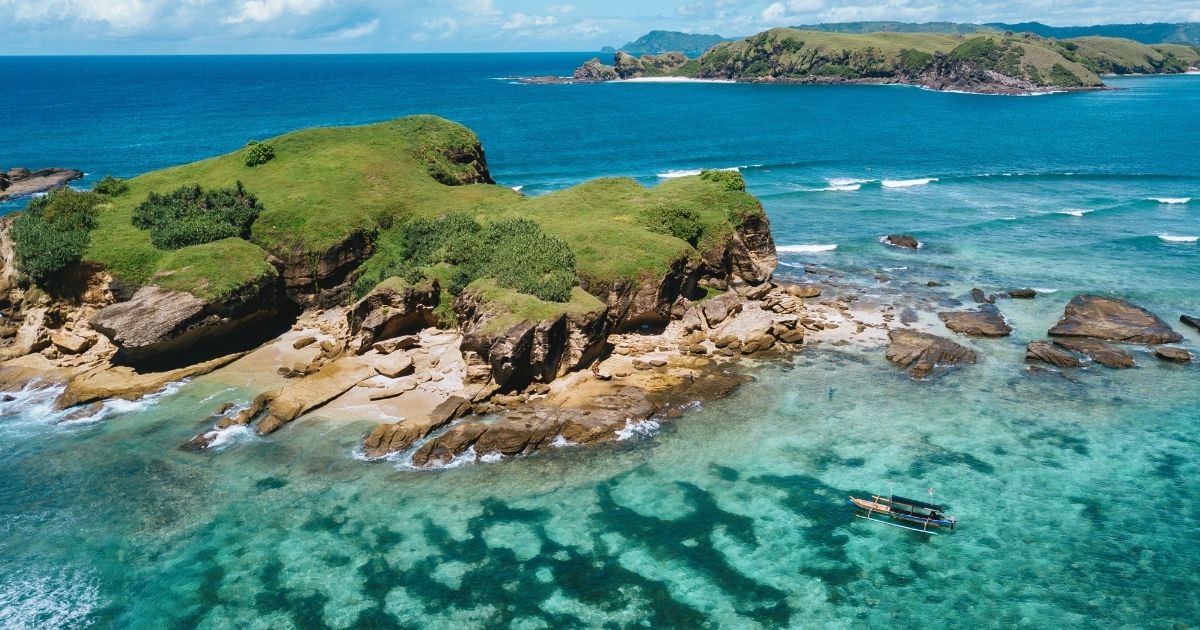
The journey between Bali and Lombok represents more than just a simple island hop—it’s a gateway to discovering Indonesia’s hidden paradise where pristine beaches meet towering volcanic peaks. Whether you’re a digital nomad seeking new landscapes for remote work, an adventure traveler chasing perfect waves, or simply looking to escape Bali’s crowds, understanding how to get from Bali to Lombok efficiently opens up incredible opportunities for exploration.
Lombok offers a refreshing contrast to its famous neighbor, with unspoiled beaches, authentic local culture, and the majestic Mount Rinjani volcano. The island attracts travelers seeking authentic Indonesian experiences without the tourist saturation found in parts of Bali.
This comprehensive guide explores every transportation option for your journey, from budget-friendly public ferries to convenient flights and fast boat services. We’ll cover pricing, schedules, booking procedures, and insider tips to ensure your inter-island adventure starts smoothly.
Understanding your transportation options

When planning how to get from Bali to Lombok, travelers have three primary transportation methods, each offering different advantages in terms of cost, comfort, time, and experience. Your choice depends on budget constraints, schedule flexibility, luggage requirements, and personal preferences.
The Lombok Strait separating these islands spans approximately 35 kilometers at its narrowest point, making the journey relatively short regardless of the chosen transportation method. However, weather conditions, particularly during the monsoon season, can significantly impact ferry and boat operations.
Each transportation option serves different traveler types and budgets. Public ferries offer authentic local experiences at minimal cost, fast boats provide balanced comfort and speed, while flights deliver maximum convenience for time-conscious travelers.
💡 Did you know? the Lombok Strait marks the Wallace Line, a biogeographical boundary separating Asian and Australian flora and fauna. This crossing represents more than geographic movement—you’re traveling between distinct ecological zones.
Ferry services: the most economical way
Public ferries represent the most budget-friendly method for getting from Bali to Lombok, offering authentic Indonesian travel experiences while connecting the islands at minimal cost.
Padang Bai to Lembar ferry route
The primary ferry route operates between Padang Bai port in East Bali and Lembar port in West Lombok, providing reliable daily service with multiple departures. Ferry departures occur approximately every 1-2 hours during daylight hours, with journey times averaging 4-5 hours depending on weather conditions.
Ticket prices remain remarkably affordable, with economy class seating costing approximately 45,000-60,000 IDR ($3-4 USD) per person. Vehicle transport adds additional fees: motorcycles cost around 85,000-100,000 IDR ($5.60-6.60 USD), while cars range from 350,000-450,000 IDR ($23-30 USD).
VIP sections provide reclining seats and air conditioning for an additional 20,000-30,000 IDR ($1.30-2 USD). Most ferries include basic cafeterias serving Indonesian meals, though bringing your own food ensures dietary preferences.
Booking and safety considerations
Ferry tickets can be purchased at the port on departure day, though arriving at least 1 hour before departure is recommended. Padang Bai port is located approximately 1.5 hours from popular South Bali areas.
Weather conditions significantly impact ferry operations, with rough seas potentially causing delays or cancellations. Morning departures typically offer calmer conditions than afternoon trips, especially during monsoon season.
🌟 Pro tip: check weather conditions before traveling, as rough seas can cause ferry delays or cancellations. During monsoon season (November-March), morning departures typically offer calmer conditions than afternoon trips.
Fast boat services: balancing speed and cost
Fast boat services provide the optimal balance between affordability and convenience, significantly reducing travel time while maintaining reasonable pricing for most budgets.
Popular operators and routes
Several reputable fast boat companies operate regular services, including Gili Getaway, BlueWater Express, and Wahana Gili Ocean. Fast boat journeys typically take 2-3 hours depending on sea conditions, with most services including stops at the Gili Islands.
Pricing varies by operator and season, with standard fares ranging from 350,000-500,000 IDR ($23-33 USD) per person for direct Bali-Lombok routes. Fast boats depart from multiple Bali locations, including Padang Bai, Sanur, Serangan, and Amed.
Daily schedules typically include 2-4 departures, with morning trips (8:00-10:00 AM) and afternoon options (1:00-3:00 PM) being most common. Advance booking is recommended, especially during peak season.
Comfort and safety features
Modern fast boats feature comfortable seating, life jackets, safety equipment, and usually include complimentary water and light snacks. Air conditioning and covered seating areas protect passengers from sun and sea spray.
Safety standards have improved significantly in recent years following government regulations. Choose operators with good safety records, recent vessel maintenance, and proper insurance coverage.
Weather conditions significantly impact fast boat operations, with services frequently cancelled during rough seas. Operators typically offer full refunds or rescheduling for weather-related cancellations.
For staying connected during your island-hopping adventure and ensuring you can communicate with boat operators or accommodation providers, Holafly’s reliable island connectivity solutions provide seamless data coverage across Indonesia’s islands, eliminating roaming concerns while traveling between Bali and Lombok.
Flight options: the fastest route
How to get from Bali to Lombok quickly and comfortably? By plane, of course, particularly appealing to travelers with tight schedules or those preferring air-conditioned comfort over sea travel.
Airlines and schedules
Several airlines operate regular flights between Ngurah Rai International Airport (DPS) in Bali and Lombok International Airport (LOP), including Garuda Indonesia, Lion Air, Wings Air, and occasionally AirAsia.
Flight duration averages 45-60 minutes, making it by far the fastest transportation option. Most airlines offer multiple daily flights, with schedules typically including early morning, midday, and late afternoon departures.
Direct flights eliminate weather-related delays common with sea transport, though flights can still be affected by volcanic activity from Mount Agung in Bali or Mount Rinjani in Lombok.
Pricing and airport logistics
Flight prices vary significantly based on booking timing and airline choice. Budget carriers like Lion Air offer fares as low as 400,000-600,000 IDR ($26-40 USD) with advance booking, while premium carriers like Garuda Indonesia charge 600,000-1,000,000 IDR ($40-66 USD).
Both airports provide standard facilities, including car rentals, taxis, and ride-sharing services. Lombok International Airport is located approximately 1 hour from popular tourist areas, with airport transfers typically costing 150,000-250,000 IDR ($10-16.50 USD) by taxi.
💡 Did you know? Lombok International Airport opened in 2011, replacing the smaller Selaparang Airport and significantly improving access to the island for international and domestic travelers.
Planning your journey: practical considerations
Successfully executing your travel plans requires understanding practical aspects beyond simply choosing transportation methods, including timing, luggage considerations, and connection logistics.
Best times to travel and luggage considerations
Timing significantly impacts both transportation availability and overall travel experience when learning how to get from Bali to Lombok. Dry season (April-October) offers the most reliable weather conditions for sea travel, while the wet season can complicate ferry and boat operations.
Peak season travel (June-August, December-January) requires advance booking for all transportation methods and commands higher prices. Shoulder seasons provide optimal balance between good weather and reasonable pricing.
Different transportation methods accommodate varying luggage allowances. Ferries generally allow unlimited personal luggage without additional fees, while fast boats typically include reasonable allowances (up to 20kg per person) with additional fees for excess baggage. Airlines impose strict baggage policies with fees for overweight items.
Connection and onward travel
Most travelers continue beyond Lombok’s main ports to destinations like Senggigi, the Gili Islands, or Kuta Lombok. From Lembar port (ferry arrival), shared shuttles and private drivers provide connections to various Lombok destinations.
Gili Islands require additional boat transfers, typically costing 25,000-35,000 IDR ($1.60-2.30 USD) per person. Lombok International Airport offers the most convenient access to island-wide destinations with various transportation options.
🌟 Pro tip: download offline maps and transportation apps before departure, as internet connectivity can be limited during sea crossings and in remote port areas.
Digital nomad and cultural considerations

For digital nomads exploring how to get from Bali to Lombok, additional factors beyond basic transportation logistics impact productivity and work continuity during the transition.
Connectivity and equipment transport
Maintaining internet connectivity during travel becomes crucial for nomads with client commitments. Ferry journeys typically offer limited internet access, while fast boats sometimes provide basic WiFi services with variable reliability. Flights offer the most predictable travel times for work schedule management.
Digital nomads typically travel with valuable electronics requiring careful transportation planning. Ferries offer relaxed security but longer exposure to salt air, fast boats provide moderate security with shorter journey times, while air travel offers the safest environment for sensitive electronics.
Cultural differences in Lombok
Lombok maintains more conservative Islamic traditions compared to Hindu-majority Bali, requiring modest dress codes and cultural sensitivity. Tourism infrastructure is less developed than in Bali, offering more authentic experiences but requiring greater patience and flexibility.
Local transportation includes bemos (shared minivans), ojeks (motorcycle taxis), and private drivers, with limited ride-sharing app coverage. ATM availability is concentrated in main towns, so carry sufficient cash when venturing to remote areas.
Healthcare facilities are more limited than in Bali, making comprehensive travel insurance more critical. Internet connectivity is generally reliable in main tourist areas but can be sporadic in remote locations.
For comprehensive guidance on legal requirements for extended stays in Indonesia, explore Indonesia’s digital nomad visa options to ensure your multi-island journey remains legally compliant.
Final thoughts on your Bali to Lombok journey
Understanding how to get from Bali to Lombok opens doors to one of Indonesia’s most rewarding travel experiences. Each transportation method offers distinct advantages—ferries provide budget-friendly, authentic experiences, fast boats balance comfort with reasonable pricing, and flights deliver unmatched convenience.
Your choice should align with personal priorities, budget constraints, and travel style preferences. Weather considerations play crucial roles in transportation planning, particularly during monsoon season when sea conditions can disrupt ferry and boat services.
The journey represents just the beginning of your Lombok adventure. This less-developed island offers pristine beaches, authentic cultural experiences, and stunning natural beauty that rivals Bali while providing escape from tourist saturation. Embrace Lombok’s differences as opportunities for more authentic Indonesian experiences.
For more comprehensive guidance on island hopping and legal requirements for extended stays in Indonesia, check out Nomada’s complete Indonesia resources to enhance every aspect of your archipelago adventure.
Ready to discover Lombok’s hidden paradise? Let Nomada guide you through every step of your Indonesian island-hopping journey with expert advice, practical resources, and insider knowledge to make your inter-island dreams come true 🏝️
Frequently asked questions about how to travel from Bali to Lombok
The public ferry from Padang Bai to Lembar is the most economical option, costing only 45,000-60,000 IDR ($3-4 USD) per person for economy class. The journey takes 4-5 hours and runs multiple times daily. This option works well for budget travelers who don’t mind longer travel times and basic facilities.
Travel times vary by transportation method: flights take 45-60 minutes, fast boats require 2-3 hours, and public ferries take 4-5 hours. Flight times don’t include airport procedures and ground transportation, while sea travel times can increase during rough weather conditions.
Advance booking is recommended for fast boats and flights, especially during peak season (June-August) and holidays. Ferry tickets can typically be purchased on departure day, though arriving 1 hour early is advisable. Online booking is available for most fast boat operators and all airlines.
Lombok is more conservative and less developed than Bali, with limited English spoken outside tourist areas. Infrastructure is basic but functional, with fewer international restaurants and services. ATMs are concentrated in main towns, so carry cash for remote areas. Internet connectivity varies significantly by location.
Yes, ferries accommodate motorcycles for approximately 85,000-100,000 IDR ($5.60-6.60 USD) additional cost. This option appeals to travelers planning extended Lombok exploration. Ensure proper documentation and insurance coverage for vehicle transport.
Dry season (April-October) offers the most reliable conditions for sea travel with calmer waters and minimal weather delays. Wet season (November-March) can disrupt ferry and fast boat schedules due to rough seas, though flights remain reliable year-round. Peak season pricing applies during June-August and December-January.