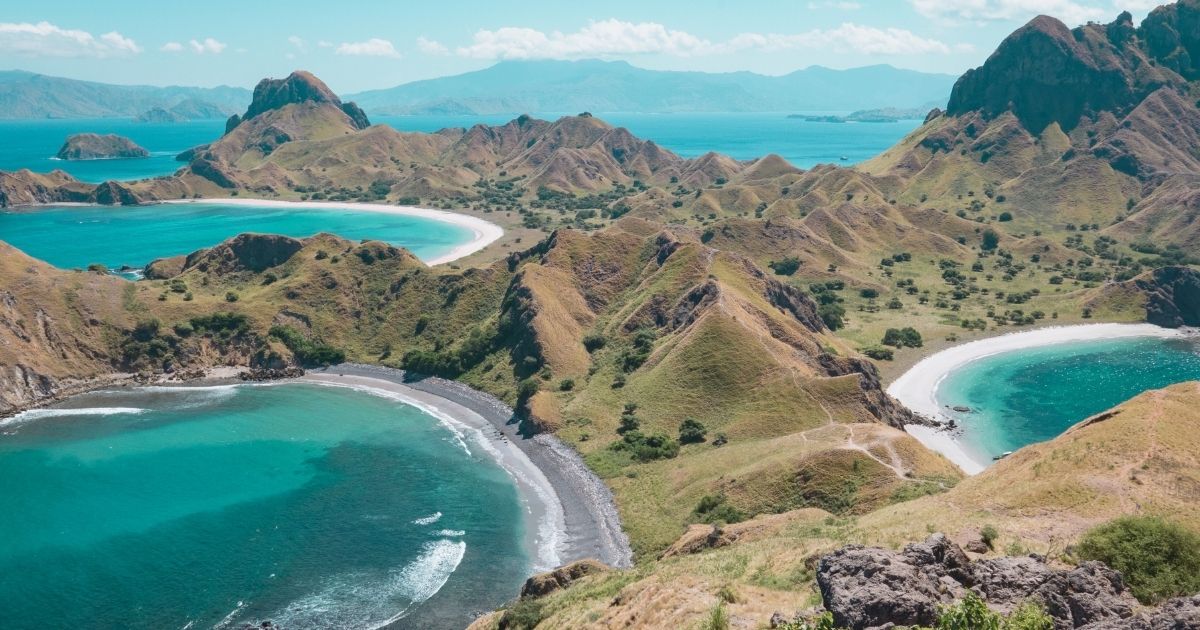
The journey from Bali’s bustling beaches to the prehistoric landscapes of Komodo Island represents one of Indonesia’s most rewarding adventures. For digital nomads seeking to balance remote work with extraordinary experiences, understanding how to get to Komodo Island from Bali opens the door to witnessing ancient Komodo dragons in their natural habitat while maintaining professional productivity throughout your travels.
Komodo Island, part of the stunning Komodo National Park, lies approximately 500 kilometers east of Bali across the Indonesian archipelago. This UNESCO World Heritage site houses the world’s largest living lizard species and offers pristine diving spots, pink sand beaches, and landscapes that seem untouched by time. While the journey requires careful planning and multiple transportation modes, the spectacular destination makes every logistical effort worthwhile for adventurous remote professionals.
Planning how to get to Komodo Island from Bali involves navigating flight connections, ferry schedules, and accommodation options that suit both your travel timeline and work commitments. This comprehensive guide breaks down every transportation option, timing consideration, and practical tip to ensure your Komodo adventure enhances rather than disrupts your nomadic lifestyle.
🌟 Pro tip: book your Komodo trip during Indonesia’s dry season (April to October) for the best weather conditions and most reliable transportation schedules.
Flight options: the fastest route from Bali to Komodo

Flying represents the most efficient method to get to Komodo Island from Bali, though it requires connecting through Labuan Bajo on nearby Flores Island. Labuan Bajo serves as the primary gateway to Komodo National Park, offering the closest airport and most comprehensive tourism infrastructure for visitors.
Airlines and direct flight options
Several Indonesian airlines operate daily flights from Ngurah Rai International Airport in Bali to Komodo Airport in Labuan Bajo. Garuda Indonesia, the national carrier, provides the most reliable service with modern aircraft and consistent schedules that appeal to business travelers and digital nomads requiring dependable timing.
Wings Air, a subsidiary of Lion Air, offers competitive pricing with multiple daily departures. Their smaller aircraft provide intimate flying experiences with spectacular aerial views of the Indonesian islands during the 1.5-hour journey. Citilink also services this route with budget-friendly options that maintain reasonable comfort standards.
Flight costs typically range from $80-200 USD, depending on booking timing, season, and airline choice. Peak season (July-August) and holiday periods command premium pricing, while shoulder seasons offer excellent value for flexible travelers.
💡 Did you know? Labuan Bajo’s Komodo Airport was extensively renovated in 2021 to accommodate larger aircraft and increased tourism, significantly improving connectivity options for travelers learning how to get to Komodo Island from Bali.
Booking strategies for digital nomads
Digital nomads benefit from flexible booking approaches when planning how to get to Komodo Island from Bali. Tuesday and Wednesday departures typically offer lower fares than weekend flights, while avoiding Indonesian holidays provides significant savings opportunities.
Setting up price alerts 4-6 weeks before intended travel dates helps secure optimal pricing. Consider booking round-trip tickets even for one-way travel, as promotional round-trip fares sometimes cost less than single-direction tickets.
Staying connected during your journey requires reliable internet access. Holafly’s data plans ensure seamless connectivity throughout your Indonesian island-hopping adventure, keeping you connected for work communications, whether you’re in transit at airports or exploring remote locations around Komodo National Park.
Ferry and overland transportation options
While flights provide speed and convenience, alternative transportation offers unique advantages for adventurous digital nomads learning how to get to Komodo Island from Bali. These options provide opportunities to work during transit, carry more equipment, and experience Indonesia’s maritime culture firsthand.
PELNI ferry services
PELNI (Indonesian National Shipping Company) operates regular ferry services connecting major Indonesian ports, including routes that eventually reach Flores Island near Komodo. The journey from Bali involves multiple stops and transfers, typically taking 2-3 days depending on routing and connection timing.
While significantly longer than flying, PELNI ferries offer unique advantages for extended-stay nomads. Cabin accommodations provide private space for work activities, and the slow travel approach aligns with sustainable tourism principles. Ferry tickets cost substantially less than flights, typically ranging from $30-80 USD depending on cabin class and route.
Overland adventure route
For ultimate adventurers with flexible schedules, overland travel represents the most immersive method for how to get to Komodo Island from Bali. This approach involves buses and ferries across multiple Indonesian islands, providing authentic cultural experiences and budget-friendly travel costs.
The journey begins with bus transportation from Bali to Sumbawa Island via ferry crossings. Public buses operate regular services from Denpasar to Mataram on Lombok, followed by onward connections to Sumbawa and finally Flores. Total overland travel time typically requires 2-3 days with overnight stops, compared to 1.5 hours by air.
🌟 Pro tip: book ferry tickets in advance during peak seasons, as popular routes fill up quickly. Consider upgrading to higher cabin classes for better WiFi access and work-friendly environments during longer journeys.
Digital nomad logistics and connectivity
Successfully managing how to get to Komodo Island from Bali while maintaining work productivity requires careful attention to connectivity, workspace, and schedule flexibility. Remote professionals need reliable internet access, appropriate work environments, and backup plans for transportation delays.
Internet access during transit
Maintaining internet connectivity throughout the journey requires strategic planning and backup options. Ngurah Rai International Airport in Bali offers comprehensive free WiFi throughout terminals, while most airlines now provide onboard internet services.
Labuan Bajo’s improved infrastructure includes reliable WiFi at most hotels, restaurants, and coworking spaces. However, internet speeds may be slower than in major Indonesian cities, requiring patience for large file uploads or video conferencing. Planning critical work activities before departure or after arrival helps avoid connectivity frustrations.
Workspace considerations
Airport lounges in Bali provide quiet work environments with reliable power outlets and internet access. Labuan Bajo offers several cafes and coworking spaces suitable for digital nomads, though options remain limited compared to Bali’s extensive facilities.
Ferry travel provides unique opportunities for digital work during transit, though internet access may be intermittent. Bringing offline work projects and downloaded entertainment helps maximize productivity during longer boat journeys.
💡 Did you know? Labuan Bajo has developed significantly as a digital nomad destination since 2020, with new coworking spaces and improved internet infrastructure supporting the growing remote work community visiting Komodo National Park.
Best time to travel and seasonal considerations

Timing significantly impacts how to get to Komodo Island from Bali, affecting everything from transportation availability to weather conditions and pricing. Understanding seasonal patterns helps digital nomads plan trips that balance professional obligations with optimal travel experiences.
Dry season advantages (April-October)
Indonesia’s dry season provides ideal conditions for learning how to get to Komodo Island from Bali, with minimal rainfall, calm seas, and consistent transportation schedules. Flight operations maintain regular timing without weather-related delays, while ferry services operate reliably across island crossings.
Komodo National Park offers optimal wildlife viewing during dry months, as animals congregate around limited water sources. Accommodation availability increases during dry season months, though popular destinations experience higher demand and pricing.
Wet season considerations (November-March)
Wet season travel requires additional flexibility when planning how to get to Komodo Island from Bali, as weather conditions can affect transportation schedules. However, the wet season offers advantages for budget-conscious digital nomads, including significantly lower accommodation rates and fewer tourist crowds.
Rain typically occurs in short, intense bursts rather than continuous precipitation, allowing for normal activities between storms. Indoor work environments become particularly valuable during these periods, making accommodation with reliable WiFi essential.
Accommodation and setup in Labuan Bajo
Establishing a comfortable base in Labuan Bajo enhances your Komodo experience while providing necessary facilities for remote work. The town offers diverse accommodation options ranging from budget guesthouses to luxury resorts, each with different advantages for digital nomads.
Digital nomad-friendly options
Several hotels in Labuan Bajo cater specifically to remote workers with dedicated business facilities and reliable internet access. Ayana Komodo Resort offers luxury amenities, including high-speed WiFi and quiet work environments, while mid-range options like Sylvia Hotel provide excellent value with consistent internet access and central locations.
Budget accommodations increasingly recognize digital nomad needs, with many guesthouses now advertising WiFi speeds and workspace availability. Hostels like Mad Monkey provide shared workspaces and reliable internet at backpacker-friendly prices.
Local infrastructure
Labuan Bajo’s infrastructure has improved significantly to support increased tourism and remote work requirements. The town features multiple banks with international ATM access, medical facilities, and restaurants offering WiFi access and laptop-friendly environments.
Local SIM card vendors provide affordable data packages with decent coverage throughout the town. Telkomsel and XL Axiata offer the most reliable service, though speeds remain slower than in major Indonesian cities.
Ready to embark on your prehistoric adventure? Understanding how to get to Komodo Island from Bali empowers you to experience one of Indonesia’s most spectacular destinations while maintaining your remote work lifestyle.
For comprehensive guidance on working and traveling throughout Indonesia, explore our detailed Indonesia digital nomad visa guide to ensure you have the proper documentation for extended stays. Visit Nomada for more destination guides and expert advice to make your nomadic adventures seamless and productive. 🐉
Frequently asked questions about getting to Komodo Island from Bali
Flying from Bali to Labuan Bajo takes approximately 1.5 hours, making it the fastest option. From Labuan Bajo, boats to Komodo Island require 2-3 hours, depending on sea conditions. Total travel time, including transfers, typically ranges from 4-6 hours for the complete journey.
Budget airlines like Wings Air and Citilink offer the most economical flights, with prices starting around $80 USD when booked in advance. Overland travel via bus and ferry costs significantly less but requires 2-3 days. Ferry options range from $30-80 USD, depending on cabin class.
Airport WiFi in Bali enables productive layover time, and most flights now offer onboard internet services. Ferry journeys provide opportunities for offline work, though internet access may be intermittent. Plan critical communications before departure or after arrival in Labuan Bajo.
Visitors must purchase entry tickets to Komodo National Park, typically arranged through tour operators in Labuan Bajo. No special permits are required for standard tourist visits. Entry fees vary based on nationality and planned activities within the park.
Bring lightweight, quick-dry clothing suitable for tropical conditions, strong sunscreen, and reef-safe sunblock for marine activities. Essential electronics include portable chargers, international power adapters, and backup internet solutions. Pack prescription medications in original containers with sufficient quantities.