Exploring South Africa by car offers digital nomads unprecedented freedom to discover the country’s diverse landscapes, from the dramatic coastlines of the Garden Route to the wildlife-rich plains of Kruger National Park. Understanding the essential rules and safety considerations for driving in South Africa ensures your road trip becomes a memorable adventure rather than a stressful experience.
This comprehensive guide covers everything digital nomads need to know about driving in South Africa, from basic traffic rules and documentation requirements to essential safety tips and practical advice for navigating South African roads with confidence.
Essential rules for driving in South Africa
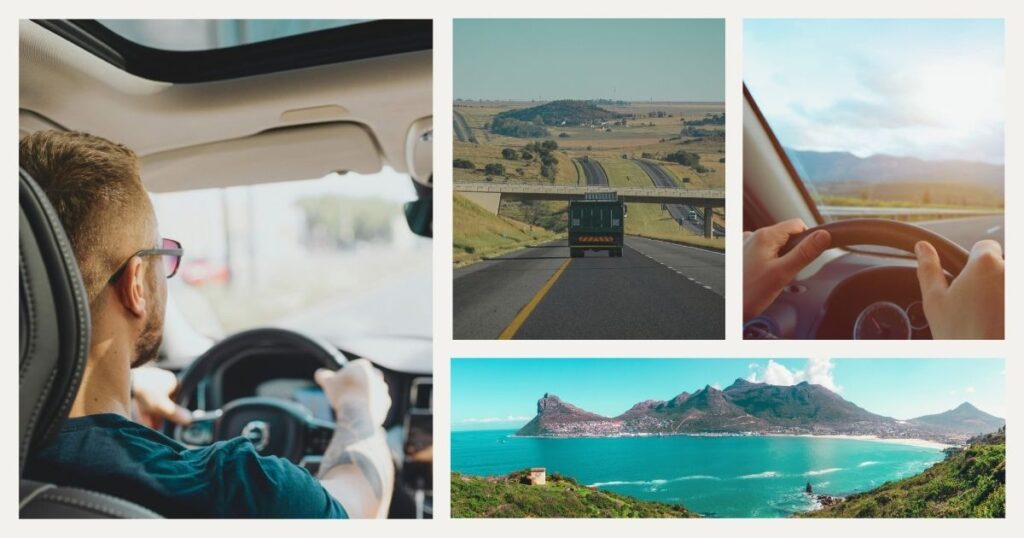
Understanding fundamental traffic laws is crucial for safe and legal driving in South Africa. The country follows left-hand traffic patterns, with vehicles driving on the left side of the road. All road signs appear in English, making navigation straightforward for international travelers.
Speed limits are strictly enforced: urban areas maintain 60 km/h limits, secondary roads allow speeds up to 100 km/h, while highways permit speeds up to 120 km/h. Seat belt usage is mandatory for all vehicle occupants, including children under three who must use appropriate car seats.
Right-of-way and intersection rules
At uncontrolled intersections, the vehicle approaching from the right has the right of way. Four-way stops follow a first-come, first-served principle, with the first vehicle to arrive having priority to proceed.
Traffic circles (roundabouts) require yielding to vehicles approaching from the right unless otherwise indicated by signage. When exiting, always use proper turn signals to indicate your intentions to other drivers.
🌟 Pro tip: in South Africa, “robots” is the local term for traffic lights. Don’t be confused if someone gives you directions to “turn left at the next robot” – they’re simply referring to traffic signals!
Mobile phone and alcohol regulations
Using handheld mobile phones while driving in South Africa is strictly prohibited. You may only use hands-free devices or Bluetooth connections for phone calls while operating a vehicle. Violations result in substantial fines and potential license penalties.
South Africa maintains strict blood alcohol concentration limits: 0.05% for regular drivers and 0.02% for professional drivers. Police conduct frequent roadside alcohol testing, especially during evenings and weekends.
💡 Did you know? South Africa’s “arrive alive” campaigns emphasize that a single beer or shot of spirits can put most people over the legal alcohol limit. The safest approach is to avoid alcohol entirely when planning to drive.
Documentation and license requirements
Proper documentation is essential for legal driving in South Africa. International visitors must carry specific documents at all times while operating a motor vehicle, and traffic officers expect to see these documents during any traffic stop.
A valid driving license from your home country is required, but additional documentation may be necessary depending on your license’s language and format. If your license is not printed in English, you must obtain an International Driving Permit (IDP) before traveling to South Africa.
International Driving Permit requirements
An International Driving Permit must be obtained from authorized organizations in your home country before traveling. In the United States, only AAA and AATA issue legitimate IDPs. Canadian travelers should contact CAA.
The IDP cannot be obtained while abroad, so advance planning is essential. Most IDPs remain valid for one year from the issue date.
🌟 Pro tip: even if your license is in English, consider obtaining an IDP as additional identification and backup documentation. South African rental companies often prefer seeing an IDP alongside your domestic license.
Additional required documents
Beyond your driving license and IDP, you must carry your passport or national identity card while driving in South Africa. If you’re driving a rental car, ensure you have all rental documentation, including the rental agreement and insurance certificates. Keep these documents easily accessible but secure within your vehicle.
Safety considerations for digital nomads
Safety awareness is particularly important when driving in South Africa, as the country presents unique security challenges. Digital nomads carrying valuable work equipment face additional risks that require specific precautions and awareness strategies.
Crime prevention focuses primarily on avoiding opportunistic crimes targeting travelers, especially in urban areas. Keep your doors locked and windows closed when stopped in traffic, particularly in major cities. Visible electronics or valuables in your car attract unwanted attention from potential criminals.
Equipment and valuables security
Digital nomads often travel with expensive laptops, cameras, and other electronic equipment essential for their work. Never leave valuable items visible in your parked vehicle, even for brief stops. Use the vehicle’s trunk or covered cargo area to store equipment.
When staying overnight, choose accommodations with secure parking whenever possible. Guesthouses and hotels with enclosed parking areas provide additional protection for both your vehicle and any equipment stored inside.
🌟 Pro tip: consider using a portable Wi-Fi hotspot or Holafly’s South Africa data plans to maintain connectivity without relying on public Wi-Fi networks, ensuring you can navigate safely and communicate with emergency contacts.
Emergency preparedness and communication
Reliable communication becomes essential for safety while driving in South Africa. Ensure your mobile phone remains charged and consider carrying a portable charger for extended journeys. Download offline maps before traveling to remote areas where cellular coverage may be limited.
Program important emergency numbers into your phone, including the general emergency number (112) and your accommodation contact information. Keep a basic emergency kit in your vehicle, including water, snacks, a flashlight, and basic first aid supplies.
Practical driving tips and local customs
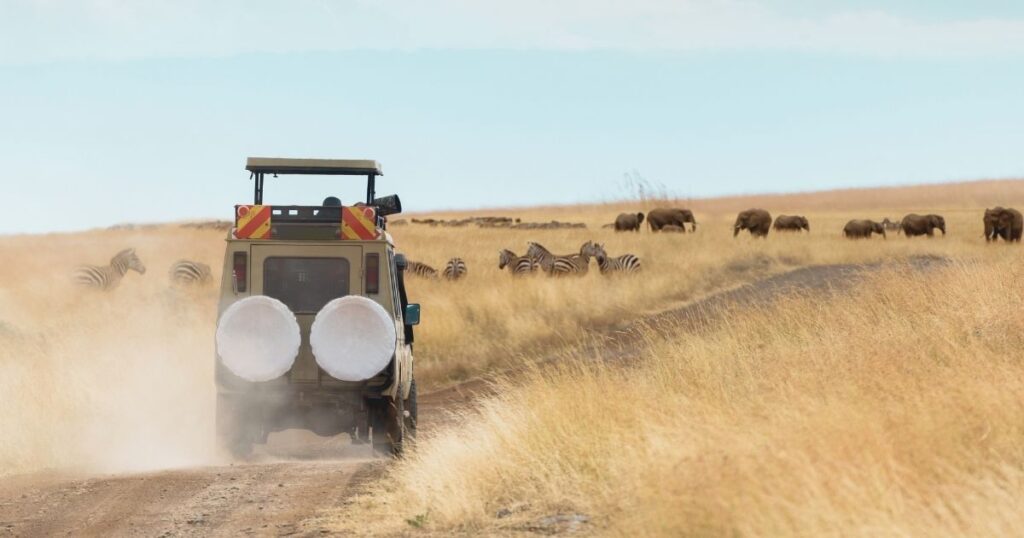
Understanding local driving customs enhances both safety and enjoyment when driving in South Africa. Petrol stations provide full-service fuel stops with attendants who fill your tank, clean your windscreen, and check oil and water levels if requested. Tipping these attendants is customary, with small tips (R5-R20) being appreciated for good service.
Many major highways include toll roads that require payment at designated toll plazas. Keep cash available for toll payments, as some facilities may not accept international cards.
Road conditions and signage
Road conditions vary significantly between different areas of South Africa. Major highways connecting cities generally maintain excellent standards, while rural roads may have potholes, limited lighting, or unclear markings that require extra caution.
Road signage can sometimes be inconsistent, particularly in remote areas. GPS navigation helps, but always carry physical maps as backup, and don’t hesitate to ask for directions at service stations when uncertainty arises.
Expect to encounter wildlife on roads in game reserve areas and rural regions. Reduce speed in areas marked with wildlife crossing signs, particularly during dawn and dusk when animals are most active.
Parking and urban driving
Urban parking in South Africa follows specific color-coded systems. Yellow lines indicate that short-term stopping is permitted, but parking is prohibited, while red lines prohibit both stopping and parking. Always park in the direction of traffic flow.
Many urban areas employ car guards – individuals who watch over parked vehicles in exchange for small tips. A tip of R5-R10 is typically appropriate for their services.
💡 Did you know? South African cities are increasingly implementing digital parking payment systems, though cash meters still operate in many areas. Keep small change available for parking fees, especially in city centers.
Regional considerations and popular routes
South Africa’s diverse geography creates varying driving conditions across different regions. The Western Cape region offers some of South Africa’s most scenic driving experiences, though mountain passes require careful attention to speed limits and weather conditions.
The Gauteng province, encompassing Johannesburg and Pretoria, features extensive highway networks with heavy traffic during rush hours. Digital nomads should plan travel times carefully to avoid peak congestion.
Wildlife and safari area driving
Driving near game reserves and national parks requires specific awareness and precautions. Kruger National Park and other wildlife areas have strict speed limits and animal right-of-way rules that must be observed for safety and conservation reasons.
Animals may appear on roads unexpectedly, particularly elephants, buffalo, and various antelope species. Maintain reduced speeds in game areas and never attempt to approach or feed wild animals from your vehicle.
Some remote conservation areas may have limited fuel availability, making trip planning essential. Calculate distances carefully and fuel up whenever opportunities arise in these regions.
Coastal and mountain routes
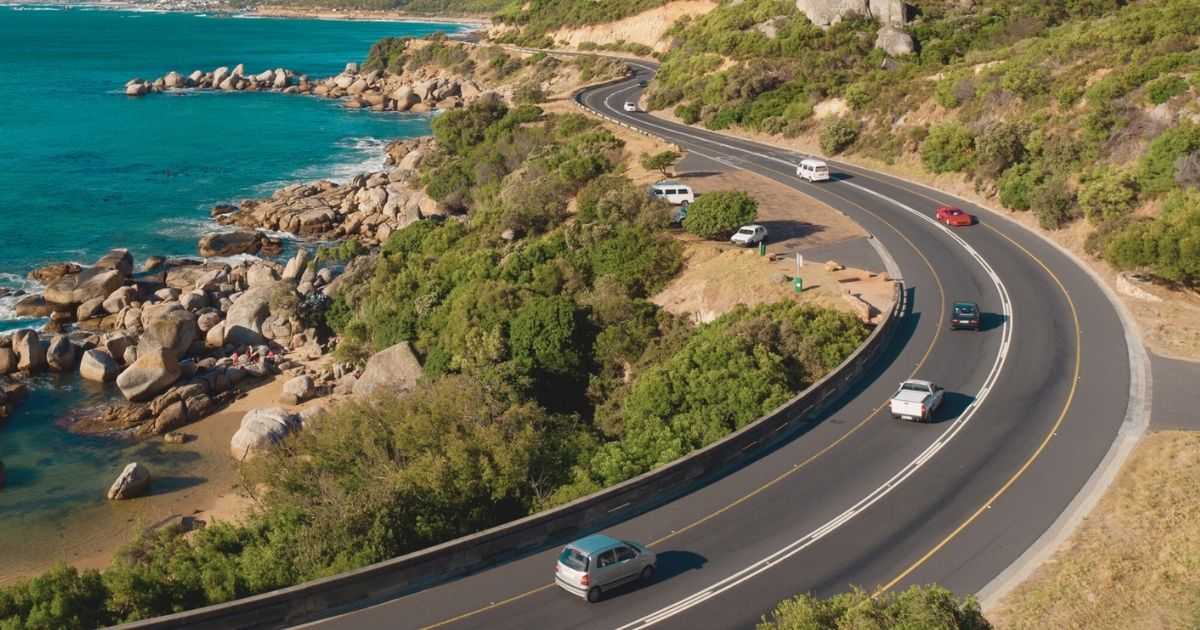
South Africa’s coastal routes offer spectacular scenery but present unique driving challenges. The Garden Route between Cape Town and Port Elizabeth features numerous mountain passes with steep gradients and sharp curves that require reduced speeds.
Weather conditions along the coast can change rapidly, with sudden fog reducing visibility or strong winds affecting vehicle stability. Check weather forecasts before undertaking coastal drives and be prepared to delay travel if conditions become hazardous.
Mastering the essentials of driving in South Africa opens up incredible opportunities for digital nomads to explore one of the world’s most diverse and beautiful countries.
For comprehensive guidance on planning safe and successful travel experiences, explore our detailed travel insurance guide for digital nomads to protect both yourself and your valuable work equipment during your adventures.Ready to explore South Africa’s stunning landscapes with confidence and safety? Let Nomada support every aspect of your digital nomad adventure, from practical planning to unforgettable experiences 👉
Frequently asked questions about driving in South Africa
If your driver’s license is printed in English and includes a photograph and signature, you can legally drive in South Africa. However, if your license uses non-English text or lacks a photograph, you must obtain an International Driving Permit from authorized organizations in your home country before traveling. An IDP is also recommended even for English licenses as additional verification.
The primary safety concerns include opportunistic crime at traffic lights in urban areas, the risk of carjacking (especially in Johannesburg), and road conditions in rural areas. Avoid driving at night, keep doors locked and windows up when stopped, never leave valuables visible in your car, and don’t stop for hitchhikers or to assist strangers on the roadside.
South African traffic officers may issue on-the-spot fines for violations, though some corrupt officers may demand cash payments that aren’t legally required. You have the right to receive a proper citation and pay fines through official channels. Rental car companies typically handle fines incurred during your rental period, adding administrative fees to your final bill.
All South African fuel stations provide full-service fuel with attendants who fill your tank and clean your windscreen. Fuel prices are government-controlled and fixed across stations. Most stations accept cash payments, and many now accept credit cards. Tipping attendants R5-R20 is customary but optional. Keep cash available for toll roads, as some don’t accept international cards.