
South Africa offers digital nomads an incredible blend of modern cities, stunning landscapes, and diverse cultural experiences. From Cape Town’s vibrant tech scene to Johannesburg’s business hubs, and from the Garden Route’s scenic beauty to Kruger National Park’s wildlife adventures, having your own transportation opens up endless possibilities.
Learning how to rent a car in South Africa empowers digital nomads with the freedom to create their own schedules, discover hidden gems, and access reliable internet connections in remote areas where public transportation might be limited. However, navigating the car rental process requires understanding local requirements, insurance considerations, and practical tips.
This comprehensive guide walks you through everything you need to know to successfully rent a car in South Africa, ensuring you can focus on your work and adventures rather than logistics.
Essential requirements to rent a car in South Africa
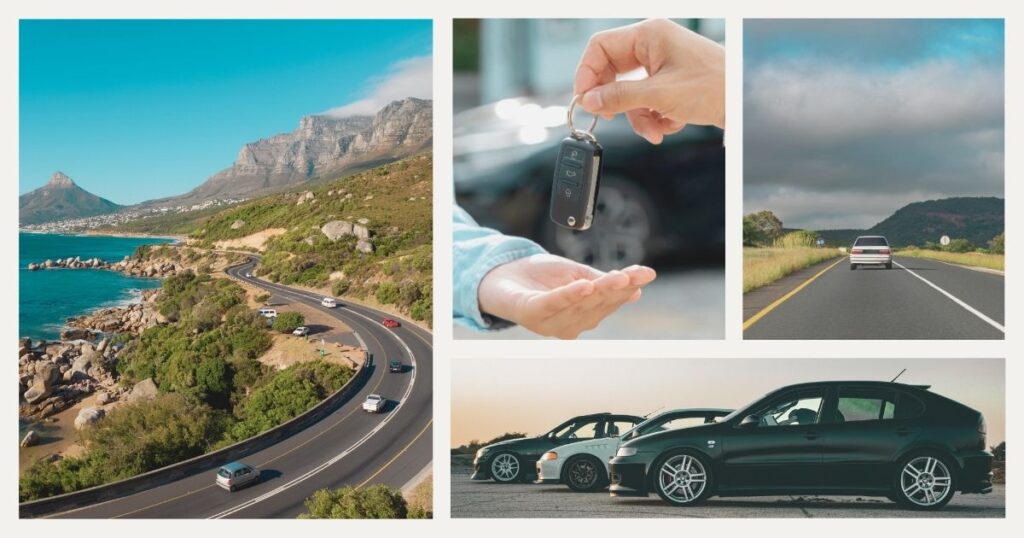
Understanding the fundamental requirements to rent a car in South Africa helps digital nomads prepare properly and avoid complications. South African car rental companies maintain strict documentation standards.
The primary requirement is a valid driver’s license held for at least one year. International visitors need either an International Driving Permit (IDP) with their domestic license, or an official English translation. The license must display your photograph and signature.
💡 Did you know? South African car rental companies require renters to be at least 18 years old for economy vehicles, but drivers under 25 often face additional fees and restrictions on luxury vehicles.
Documentation and identification requirements
When you rent a car in South Africa, you’ll need multiple forms of identification. A valid passport is mandatory for international visitors, and some agencies require a visa showing legal entry.
The main driver must present a credit card in their name with sufficient credit for the security deposit, typically R5,000 to R15,000, depending on vehicle category.
Age restrictions can impact your ability to rent a car in South Africa, with minimum ages between 18-21 years. Drivers over 70 may face additional restrictions.
International driving permit considerations
IDP requirements vary by home country and rental agency policies. Citizens from the US, Canada, Australia, and most European nations typically need an IDP when they rent a car in South Africa. Some agencies may accept English licenses without additional documentation, but this varies by location and company policy.
Obtaining an IDP before travel is essential, as you cannot acquire one abroad. The process takes 2-6 weeks, so plan ahead to avoid last-minute complications. Some agencies strictly enforce IDP requirements while others are more flexible, but relying on leniency isn’t advisable.
Verify your domestic license validity, ensuring it won’t expire during your South African stay. An expired license, even with a valid IDP, prevents legal car rental and could result in serious complications if stopped by police.
Choosing the right rental company and vehicle
Selecting the appropriate rental company and vehicle significantly impacts your experience and costs. South Africa’s rental market includes international chains, local companies, and specialty providers, each offering different advantages for various travel needs.
International companies like Avis, Hertz, Budget, and Europcar offer standardized service and extensive fleets. They provide English-speaking staff, transparent pricing, and well-maintained vehicles, making them popular choices for first-time visitors.
Local companies often provide competitive pricing and personalized service, but may have limited options. Companies like Around About Cars, First Car Rental, and Tempest Car Hire have strong reputations among travelers seeking value and local expertise.
🌟 Pro tip: when you rent a car in South Africa for extended periods, negotiate weekly or monthly rates for significant savings compared to daily rates, especially during off-peak seasons.
Vehicle categories and recommendations
Vehicle choice depends on planned routes, passenger needs, and budget considerations. Economy cars like the Toyota Aygo or Nissan Micra offer excellent fuel efficiency for city driving and well-maintained highways, ideal for budget-conscious nomads exploring urban areas.
Compact vehicles like the Volkswagen Polo or Toyota Corolla provide a balance of comfort, storage, and fuel efficiency. These accommodate luggage and work equipment while remaining economical for longer journeys between cities and towns.
For remote areas or game reserves, SUVs and 4×4 vehicles become essential. While more expensive, these provide necessary ground clearance and durability for unpaved roads that smaller vehicles cannot handle safely.
Insurance and protection options
Insurance considerations involve understanding mandatory coverage, optional protections, and potential gaps that could result in significant financial liability. Third-party liability insurance is legally required and typically included in rental rates, covering damage to other vehicles and property.
Collision Damage Waiver and Theft Protection are recommended optional extras that reduce liability but include deductibles of R5,000 to R20,000. Personal accident insurance and coverage for personal belongings represent additional considerations for nomads carrying valuable work equipment.
Some international travel insurance policies include rental car coverage, potentially eliminating expensive add-ons. Review your existing coverage before purchasing duplicate protection.
Understanding driving conditions and safety
South African drivers follow left-hand traffic patterns. International visitors from right-hand drive countries need time to adjust, particularly at intersections and roundabouts.
Road conditions vary dramatically. Major highways maintain excellent standards, but rural roads may feature potholes or inadequate lighting.
💡 Did you know? South Africa has one of the world’s highest traffic fatality rates, making defensive driving essential for digital nomads who rent a car in South Africa.
Safety considerations and crime prevention
Vehicle-related crime represents a legitimate concern when you rent a car in South Africa, particularly in urban areas and isolated locations. Smash-and-grab incidents occur frequently in traffic-heavy areas, parking lots, and at traffic lights.
Implementing basic security measures significantly reduces risk exposure. Keep all belongings, especially electronics and work equipment, completely out of sight when parking. Use covered parking when available, and avoid leaving anything visible in the vehicle, even for brief stops.
Seamless travel connectivity solutions ensure you can access real-time traffic updates, emergency services, and navigation assistance throughout your journey, providing essential safety resources when exploring unfamiliar areas.
Traffic rules and local driving customs
South African traffic laws include specific regulations that international drivers must understand to avoid fines and accidents. Speed limits vary by road type: 60 km/h in urban areas, 100 km/h on regional roads, and 120 km/h on highways. Speed cameras and traffic enforcement are common on major routes.
The country’s “taxi” minibus culture creates unique traffic dynamics. These shared transport vehicles frequently stop suddenly, change lanes without signals, and may not follow standard traffic rules. Maintaining safe following distances and anticipating unpredictable movements helps prevent accidents.
Practical tips for digital nomads

When you rent a car in South Africa as a digital nomad, consider equipment storage and power management. Select vehicles with charging ports and plan routes around connectivity requirements.
🌟 Pro tip: pack a power inverter and extra charging cables to ensure devices remain powered during long drives or in remote locations.
Cost management and budget planning
Budget approximately R2-3 per kilometer for fuel costs. Toll roads connect major cities but add significant expenses. The N1 between Cape Town and Johannesburg includes multiple toll plazas costing several hundred rand.
Technology and connectivity considerations
Major cellular networks provide good coverage along main routes and cities, but rural areas may have limited service. Download offline maps as backup navigation when cellular coverage becomes unreliable.
Popular routes and destinations
South Africa offers scenic routes combining stunning landscapes with adequate infrastructure for nomads who rent a car in South Africa. The Garden Route between Cape Town and Port Elizabeth offers towns with good infrastructure and reliable internet. Knysna, Plettenberg Bay, and Hermanus provide excellent bases for remote work.
The Cape Winelands region combines beautiful scenery with modern amenities. Stellenbosch, Franschhoek, and Paarl offer sophisticated dining and connectivity while maintaining relaxed atmospheres.
Urban hubs and business centers
Cape Town stands as South Africa’s primary digital nomad destination, offering world-class infrastructure and coworking spaces. Car rental provides access to the surrounding areas while maintaining a central base.
Johannesburg serves as the economic center with extensive business infrastructure. Rental cars provide access to suburban areas and alternative routes.
Durban’s coastal location and growing tech scene make it an emerging nomad destination with good infrastructure and access to both urban amenities and coastal attractions.
Final thoughts
Successfully learning how to rent a car in South Africa opens up incredible opportunities for digital nomads to explore one of the world’s most diverse and beautiful countries while maintaining their professional commitments. The combination of modern infrastructure in major cities, stunning natural attractions, and relatively affordable costs makes South Africa an increasingly attractive destination for location-independent professionals.
The key to a successful car rental experience lies in thorough preparation, understanding local conditions, and maintaining flexibility in your travel plans. From ensuring proper documentation to selecting appropriate insurance coverage and planning routes around connectivity needs, attention to detail prevents common problems and enhances your overall experience.
South Africa’s unique blend of first-world amenities and developing-world adventures provides digital nomads with experiences unavailable in many other destinations. With proper planning and preparation, you can safely and efficiently rent a car in South Africa to create unforgettable memories while maintaining your professional productivity.
For digital nomads seeking comprehensive guidance on transportation strategies beyond car rentals, exploring optimal transport options for location-independent professionals provides valuable insights into balancing mobility with productivity. Let Nomada support your South African adventure with practical, stress-free travel solutions.
Ready to explore South Africa with complete freedom and flexibility? Start your car rental research today and discover everything this incredible country has to offer! 👉
Frequently asked questions about renting a car in South Africa
To rent a car in South Africa, you need a valid passport, a driver’s license held for at least one year, and either an International Driving Permit or an official English translation of your license. A credit card in the main driver’s name is also required for the security deposit.
Driving in South Africa can be safe with proper precautions. Stick to main routes, avoid driving at night in unfamiliar areas, keep valuables out of sight, and stay alert for smash-and-grab incidents. Major highways and tourist routes generally maintain good safety standards with regular traffic enforcement.
Car rental costs in South Africa typically range from R250-800 per day for economy vehicles, R400-1,200 for intermediate cars, and R800-2,000+ for SUVs or luxury vehicles. Additional costs include fuel (R2-3 per km), insurance, tolls, and parking fees.
While third-party liability insurance is mandatory and included, Collision Damage Waiver and theft protection are highly recommended. Consider your existing travel insurance coverage, as some policies include rental car protection that might eliminate the need for expensive rental company add-ons.
Border crossings with rental cars require specific permissions and documentation that vary by rental company and destination country. Most agencies allow travel to neighboring countries like Namibia, Botswana, and Swaziland with advance notice and additional fees, but policies differ significantly between companies.
Fuel costs approximately R20-25 per liter, and toll roads connect major cities with fees ranging from R10-50 per plaza. Budget R2-3 per kilometer for fuel and factor toll costs into long-distance travel planning, especially for routes like Cape Town to Johannesburg.