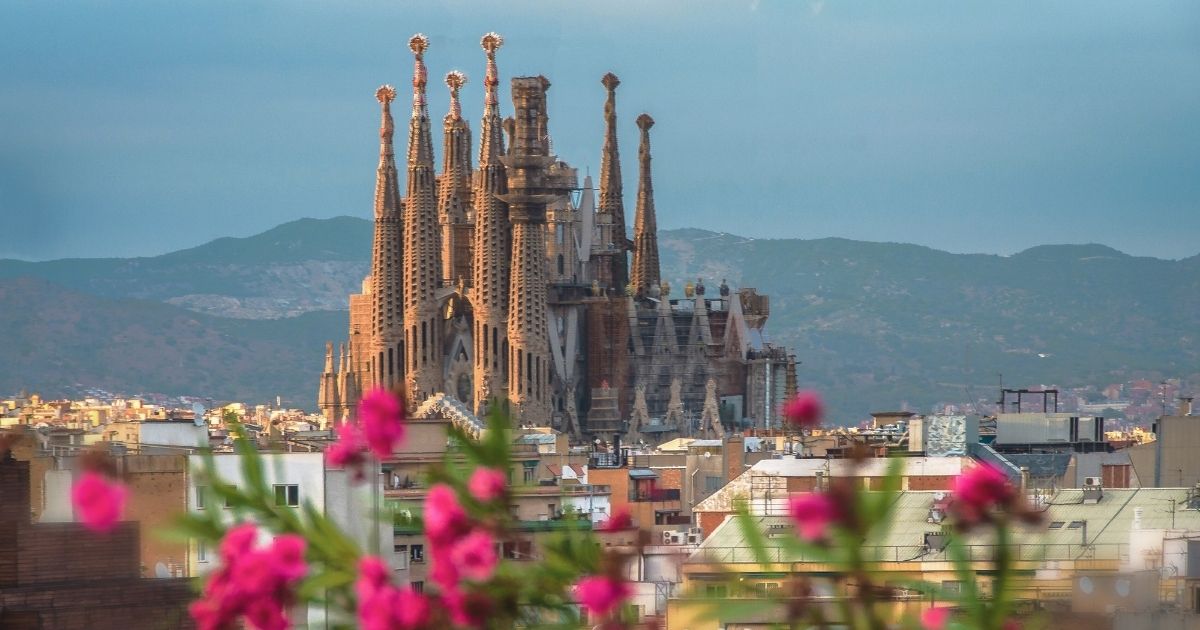
Barcelona presents digital nomads with an incredible Mediterranean destination that balances professional opportunities with cultural richness. These essential Barcelona travel tips will help remote workers navigate the city efficiently while avoiding common pitfalls that can disrupt productivity during extended stays.
Understanding local customs, transportation systems, and practical considerations becomes crucial for nomads establishing temporary bases in this vibrant Catalan capital. These comprehensive Barcelona travel tips address the specific needs of location-independent professionals who demand reliable connectivity and productive work environments while embracing the city’s cultural offerings.
Essential pre-arrival
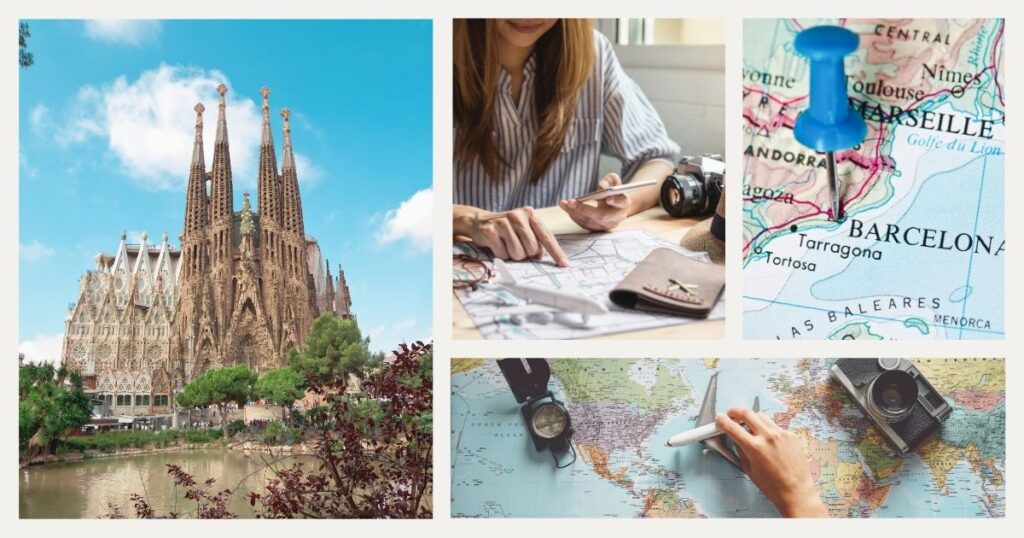
Proper preparation before arriving in Barcelona significantly impacts your initial weeks and overall experience quality. These crucial Barcelona travel tips focus on documentation, accommodation, and logistical arrangements that prevent common newcomer frustrations.
Documentation and legal requirements
EU citizens enjoy straightforward entry requirements, while non-EU nomads should verify visa requirements well in advance. Spain’s digital nomad visa provides opportunities for extended stays, though applications require several months of preparation.
Travel insurance becomes mandatory for many visa applications and provides essential protection for equipment and medical needs. Bank notifications prevent card blocks when making international purchases.
🌟 Pro tip: download offline maps and translation apps before arrival to navigate confidently during your first days while establishing local connectivity and getting oriented in your chosen neighborhood.
Accommodation booking strategies
Barcelona’s accommodation market requires strategic booking, especially during peak seasons when prices spike dramatically. Neighborhood selection significantly impacts daily experience – Gràcia offers an authentic atmosphere, while Eixample provides central access to business districts.
Long-term apartment rentals often provide better value than short-term platforms for stays exceeding one month. Local real estate websites and Facebook groups reveal housing options unavailable through international booking platforms.
💡 Did you know? Barcelona’s rental market typically requires first and last month’s rent plus a security deposit, making initial housing costs higher than expected for unprepared nomads.
Financial planning and currency considerations
Spain uses the Euro, requiring exchange rate monitoring for non-European nomads. Banking relationships with fee-free international withdrawal capabilities reduce transaction costs over extended stays. Budget planning should account for higher summer prices and tourist season impacts.
Transportation and mobility
Mastering Barcelona’s transportation systems enhances daily productivity and exploration opportunities while minimizing time waste and frustration. These Barcelona travel tips cover public transport, alternative mobility options, and navigation strategies for efficient urban movement.
Public transportation mastery
Barcelona’s integrated transport system includes metro, buses, trams, and regional trains accessible through unified ticketing. The T-10 card provides ten journeys for excellent value, while monthly passes suit extended stays.
Metro lines operate with color-coded simplicity, though peak hours create crowded conditions. Bus networks complement metro coverage, reaching underserved areas. The TMB app provides real-time schedules and route planning.
Cycling and micro-mobility options
Barcelona’s extensive bike lane network makes cycling efficient and enjoyable. Bicing, the municipal bike-sharing system, offers annual memberships for €47 with unlimited 30-minute trips.
Electric scooter services like Lime and Voi complement cycling for longer distances. However, regulations require helmet use and prohibit sidewalk riding. Bike theft remains common, making quality locks essential.
Walking and neighborhood navigation
Barcelona’s compact center makes walking practical for daily activities. The grid system in Eixample facilitates navigation, while medieval Gothic Quarter streets require more attention. Weather impacts comfort significantly, with summer heat making afternoon walking challenging.
Digital connectivity and work environment
Reliable internet connectivity and productive work environments form the foundation of successful nomadic experiences. These Barcelona travel tips ensure consistent professional capabilities while taking advantage of the city’s excellent coworking infrastructure and connectivity options.
Internet and connectivity solutions
Barcelona offers excellent internet infrastructure with widespread fiber optic coverage, providing high-speed connections suitable for video calls and cloud-based applications. Most accommodations include WiFi, though speeds vary between properties.
Coworking spaces provide professional-grade internet and networking opportunities. Popular options include Betahaus, Spaces, and local favorites like MOB and OneCoWork.
🌟 Pro tip: secure reliable backup connectivity with Holafly’s European eSIM service, ensuring uninterrupted internet access during accommodation transitions or connectivity emergencies that could disrupt client relationships.
Workspace and productivity environments
Barcelona’s café culture supports laptop work, though purchasing drinks and respecting establishment policies maintains positive relationships. Libraries provide free workspace with reliable internet and quiet environments.
Coworking spaces vary in pricing, amenities, and community focus. Day passes allow testing different environments before committing to monthly memberships.
Equipment and security considerations
Spain uses Type C and F plugs with 230V power, necessitating adapters for international devices. Equipment security becomes crucial – laptop locks, secure bags, and backup storage protect valuable work tools from theft.
Cultural integration and language
Understanding Barcelona’s unique cultural landscape enhances professional networking, social integration, and overall experience quality. These Barcelona travel tips address language considerations, social customs, and cultural nuances that impact daily interactions.
Language dynamics and communication
Barcelona operates with both Catalan and Spanish as official languages, though English proficiency varies across sectors. Learning basic Spanish phrases significantly improves daily interactions and demonstrates cultural respect.
Professional environments typically accommodate English speakers, particularly in international business and technology sectors. Language exchange programs provide opportunities for improving Spanish while offering English practice to locals.
Social customs and business etiquette
Spanish business culture emphasizes relationship building and personal connections. Networking events often extend late into evenings, requiring adaptation to local social rhythms.
Meal times differ significantly from international norms, with lunch between 2-4 PM and dinner starting after 9 PM. Personal space and communication styles lean toward warmth compared to northern European norms.
Cultural events and networking opportunities
Barcelona’s festival calendar provides opportunities for cultural immersion and networking. Events like La Mercè and Sant Joan create environments for meeting locals and international visitors.
Professional meetups and startup events occur regularly. Platforms like Meetup, Eventbrite, and Facebook groups advertise networking opportunities across various sectors.
Safety and health
Barcelona generally offers excellent safety conditions for international visitors, though awareness of common issues and preparation for health needs ensures worry-free experiences. These Barcelona travel tips address personal security, health considerations, and emergency preparedness.
Personal safety and security awareness
Pickpocketing represents the most common safety concern, particularly in tourist areas like Las Ramblas and crowded metro stations. Awareness, secure bags, and avoiding obvious tourist behaviors significantly reduce risks.
Evening safety remains generally excellent, though standard urban precautions apply. Scam awareness helps avoid common tourist-targeting schemes, including fake petition signers and distraction techniques.
Healthcare system navigation
Spain’s healthcare system provides excellent care, though navigation requires understanding public vs. private systems. EU citizens benefit from reciprocal healthcare agreements, while others need comprehensive travel insurance.
Pharmacies (farmacias) provide accessible healthcare advice and over-the-counter medications. Emergency services operate through 112 with English-speaking operators available.
Weather and seasonal health considerations
Barcelona’s Mediterranean climate requires sun protection during the intense summer months. Air quality occasionally suffers during summer with low wind circulation. Seasonal allergies may affect sensitive individuals during spring blooming periods.
Money management and practical
Effective financial management and understanding practical daily considerations significantly impact both budget control and quality of life. These Barcelona travel tips address banking, shopping, tipping customs, and practical daily considerations.
Banking and payment systems
Spain widely accepts credit and debit cards, though some smaller establishments prefer cash. Contactless payments work universally. ATM networks provide easy cash access, though foreign transaction fees can accumulate for frequent users.
Banking relationships for extended stays may require residency documentation, though many digital nomad banking solutions work effectively for shorter-term stays.
Shopping and daily necessities
Supermarket chains like Mercadona, Carrefour, and El Corte Inglés provide comprehensive shopping at competitive prices. Local markets offer fresh produce and cultural experiences.
Shopping hours include extended lunch breaks (2-5 PM) with stores open until 8-9 PM. Sunday shopping remains limited except in tourist areas.
Tipping culture and service expectations
Spanish tipping culture operates conservatively – restaurant tips of 5-10% show appreciation, while rounding up taxi fares represents appropriate acknowledgment. Service expectations prioritize efficiency over extensive personal attention.
Final thoughts
These comprehensive Barcelona travel tips provide the foundation for successful nomadic experiences in one of Europe’s most dynamic cities. Understanding local customs, transportation systems, and practical considerations transforms potential challenges into opportunities for professional growth and cultural enrichment.
Success in Barcelona requires balancing preparation with flexibility, allowing adaptation as you discover personal preferences and optimal strategies for your specific needs. The city’s excellent infrastructure, international community, and cultural offerings create ideal conditions for productive remote work combined with meaningful experiences.
Whether planning short-term visits or extended stays, these Barcelona travel tips help maximize both professional opportunities and personal fulfillment while avoiding common pitfalls. For additional insights into Barcelona’s nomad-friendly resources, explore our detailed Barcelona guide covering neighborhoods, coworking spaces, and lifestyle optimization strategies.
Ready to make Barcelona your next nomadic base? These essential tips will help you navigate the city like a seasoned local while maintaining professional productivity and embracing the Mediterranean lifestyle. Let Nomada support your Barcelona adventure with comprehensive resources designed specifically for digital nomads.
Start planning your Barcelona experience today! 🏛️
Frequently asked questions about Barcelona travel tips
Focus on securing reliable accommodation with good WiFi in advance, understanding the public transportation system, and establishing mobile connectivity immediately upon arrival. Download offline maps, learn basic Spanish phrases, and familiarize yourself with local customs around meal times and business hours. Most importantly, be aware of pickpockets in tourist areas and keep valuable work equipment secure at all times.
Daily budgets vary significantly based on lifestyle choices and accommodation type. Budget-conscious nomads can live comfortably on €40-60 dail,y including meals, transportation, and entertainment. Mid-range lifestyles typically require €70-100 daily, while premium experiences may cost €120+ daily. These estimates exclude accommodation, which ranges from €25-40 for hostels to €60-150+ for private apartments in central locations.
Gràcia offers authentic local atmosphere with excellent cafés and reasonable prices. Eixample provides central location with grid-pattern navigation and business district access. El Born combines historic charm with trendy venues and coworking spaces. Poble Nou attracts tech professionals with modern infrastructure and beachfront access. Each neighborhood offers different advantages depending on work style, budget, and lifestyle preferences.
Barcelona offers excellent internet infrastructure with widespread fiber optic coverage, providing speeds sufficient for video calls, file transfers, and cloud applications. Most accommodations include WiFi, though quality varies significantly. Coworking spaces provide professional-grade connections with backup options. Mobile data networks offer reliable coverage with competitive pricing, making Barcelona ideal for location-independent professionals requiring consistent connectivity.
The primary concern is pickpocketing in tourist areas like Las Ramblas and crowded metro stations. Use secure bags, avoid displaying expensive equipment openly, and stay aware of your surroundings. Evening safety is generally excellent, though standard urban precautions apply. Protect valuable work equipment with insurance, secure storage, and backup solutions. Avoid common tourist scams and use official transportation for late-night travel.
Spring (April-May) and autumn (September-October) offer optimal conditions with pleasant weather, reasonable prices, and fewer crowds while maintaining good transportation connectivity. Summer provides maximum social opportunities but brings high costs, intense heat, and crowded conditions. Winter offers significant savings and quiet work environments, but reduced daylight hours and cooler weather that may limit outdoor activities.