Experiencing Sweden behind the wheel offers unparalleled freedom to explore this Nordic wonderland at your own pace, from Stockholm’s archipelago islands to Lapland’s midnight sun adventures. Driving in Sweden provides access to remote wilderness areas, charming coastal villages, and scenic routes that public transportation simply cannot reach.
Understanding the nuances of driving in Sweden ensures both safety and legal compliance while navigating this beautifully organized country. Swedish roads are renowned for their excellent maintenance and clear signage, but specific local rules, seasonal considerations, and cultural driving norms require proper preparation. This comprehensive guide covers everything you need to know about driving in Sweden, from obtaining the necessary permits to mastering winter driving techniques.
License requirements and documentation
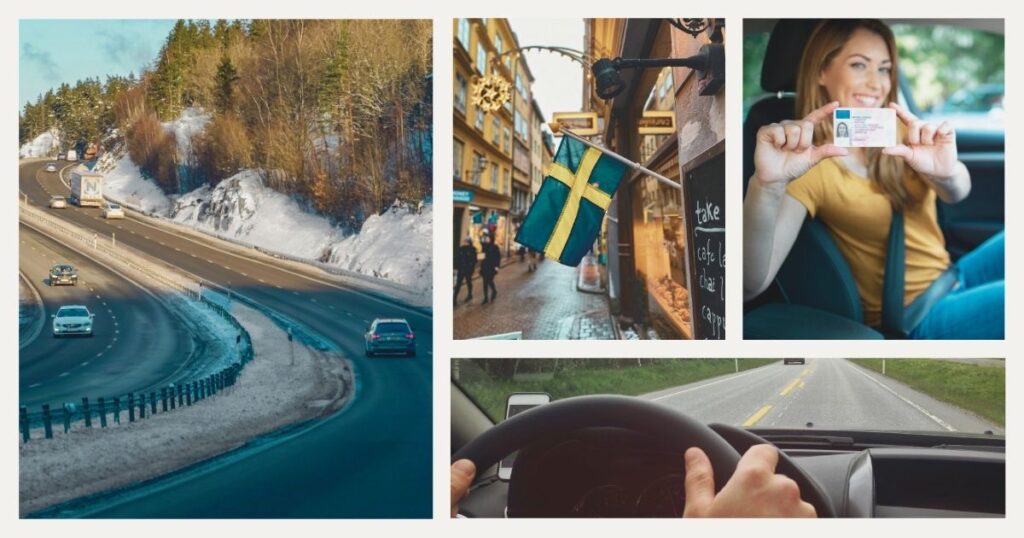
Before experiencing the freedom of driving in Sweden, understanding the legal requirements for foreign drivers ensures compliance with Swedish traffic authorities and prevents potential complications during your travels.
International driving permits
Visitors from most countries need an International Driving Permit (IDP) alongside their valid home country license when driving in Sweden. The IDP serves as an official translation of your domestic license and must be obtained from your home country before traveling—Swedish authorities do not accept IDPs issued after arrival.
EU and EEA citizens enjoy streamlined requirements for driving in Sweden, as their home country licenses are automatically recognized for tourist visits and short-term stays. However, residents planning to stay longer than one year must exchange their foreign license for a Swedish one through the Transport Agency (Transportstyrelsen).
💡 Did you know? Sweden requires IDPs to comply with the 1968 Vienna Convention on Road Traffic. Some countries issue multiple IDP types, so verify you’re obtaining the correct version accepted for driving in Sweden.
Rental car documentation
Rental car companies in Sweden maintain strict documentation requirements that often exceed minimum legal standards for driving in Sweden. Most agencies require a valid passport, a credit card in the primary driver’s name, and either an EU license or a valid IDP alongside your home country license.
Age restrictions for rental vehicles typically start at 21 years, with some luxury or larger vehicles requiring drivers to be 25 or older. Young driver surcharges commonly apply for renters under 25.
🌟 Pro tip: book rental cars well in advance during peak seasons (summer and winter holidays) when demand is highest.
Essential traffic rules and regulations
Mastering the fundamental traffic rules is crucial for safe and legal driving in Sweden. Swedish traffic laws prioritize safety and environmental consciousness through specific regulations that may differ from driving norms in other countries.
Speed limits and enforcement
Swedish speed limits vary by road type: 30-50 km/h in urban areas, 70-90 km/h on country roads, and 90-120 km/h on highways. Many roads use dynamic speed limits that change based on weather, traffic, or time of day.
Speed enforcement utilizes both fixed cameras and mobile units, with particularly strict monitoring in urban areas. Penalties include substantial fines calculated as day-fines based on your income.
💡 Did you know? Sweden uses “Vision Zero,” a traffic safety philosophy aiming to eliminate all traffic fatalities and serious injuries. This approach influences strict enforcement when driving in Sweden.
Alcohol and priority rules
Sweden maintains some of the world’s strictest drink-driving laws, with a blood alcohol limit of just 0.02%. This extremely low limit means even one alcoholic drink can result in legal intoxication when driving in Sweden.
Understanding priority rules is essential, particularly at roundabouts where entering traffic yields to vehicles already in the roundabout. Swedish traffic follows right-hand traffic patterns, with vehicles yielding to traffic approaching from the right at unmarked intersections.
🌟 Pro tip: the safest approach when driving in Sweden is complete abstinence from alcohol. Even mouthwash or cough medicine containing alcohol can potentially register above the legal limit.
Seasonal driving considerations
Sweden’s dramatic seasonal changes create vastly different driving conditions throughout the year, making seasonal preparation essential for safe driving in Sweden.
Winter driving requirements
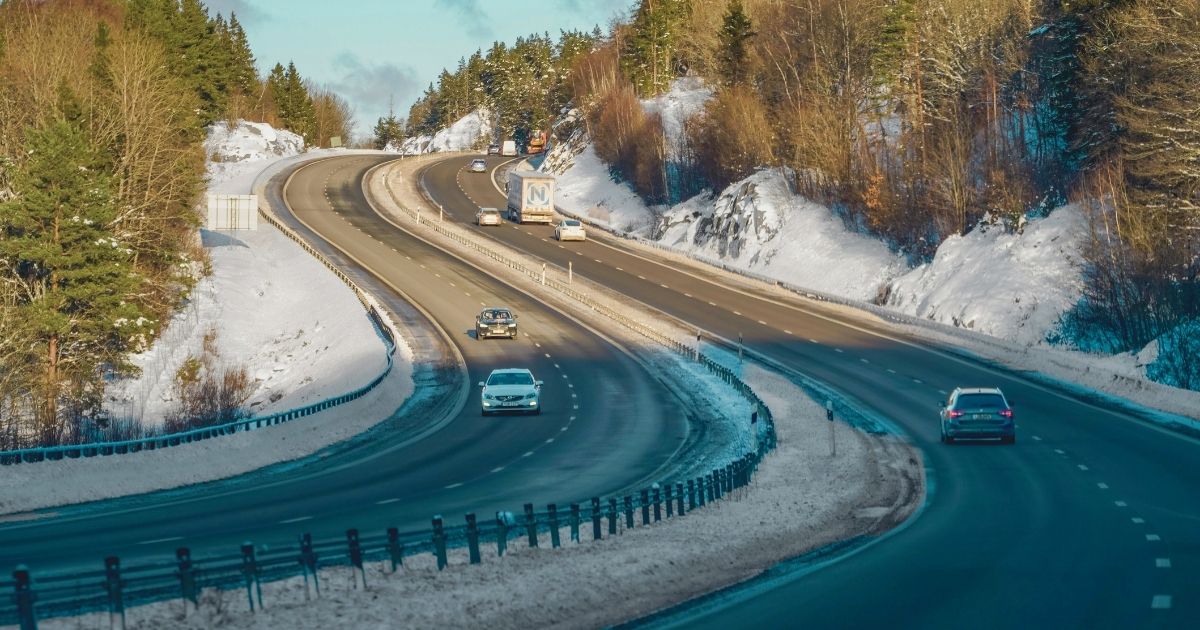
Driving in the Sweden winter requires specific equipment due to harsh weather conditions from November through March. Winter tires are mandatory from December 1st through March 31st, though many Swedes install them earlier based on actual conditions.
Studded tires are permitted and recommended during winter months for superior traction on ice and packed snow. However, studded tires are prohibited from April 16th through September 30th to protect road surfaces.
💡 Did you know? Swedish law requires you to clear all snow and ice from your vehicle before driving, including the roof. Failing to remove snow that falls onto other vehicles can result in fines.
Summer driving and connectivity
Summer offers optimal conditions for driving in Sweden, with excellent road visibility and access to normally closed mountain passes. The midnight sun in northern Sweden creates unique driving experiences but requires adjustment to continuously bright conditions.
Wildlife awareness is crucial during summer driving in Sweden, as elk, deer, and reindeer are most active during dawn and dusk hours. These large animals can cause serious accidents on rural roads.
🌟 Pro tip: ensure continuous connectivity while driving in Sweden with cutting-edge mobile connectivity solutions that provide reliable data access throughout the country for real-time navigation and emergency communications.
Road infrastructure and safety
Sweden’s exceptional road infrastructure reflects the country’s commitment to safety and connectivity. Understanding the road system and safety procedures enhances your experience when driving in Sweden.
Road types and navigation
Swedish roads are classified into several categories. Motorways (motorvägar) are high-speed divided highways marked with green signs, offering the fastest connections between major cities when driving in Sweden.
National roads (riksvägar) connect regions and major towns, marked with blue signs and numbered 1-99. Regional roads (länsvägar) serve county-level connections with numbers 100-499.
Electronic payment systems and apps simplify parking payments when driving in Sweden. Many parking areas operate cashless systems requiring mobile apps or card payments rather than cash.
Emergency procedures
Sweden’s emergency services respond to the universal European emergency number 112, connecting to police, fire, and medical services with multilingual operators. When calling about emergencies, provide your location as precisely as possible.
Emergency roadside telephones are strategically placed along major highways, connecting directly to emergency services. These orange phones work even without mobile coverage.
Contact emergency services immediately if anyone is injured in an accident. Document accident scenes thoroughly with photos, witness information, and precise location details.
💡 Did you know? Sweden operates a no-fault insurance system for personal injuries in traffic accidents, meaning your own insurance typically covers medical expenses regardless of who caused the accident.
Costs and practical considerations

Understanding the financial aspects of driving in Sweden helps budget effectively for fuel, parking, and other associated costs. Swedish driving costs can be higher than in many countries, but efficient planning helps manage expenses.
Fuel costs and parking
Swedish fuel prices are among the highest in Europe due to environmental taxes designed to encourage fuel efficiency. Gasoline and diesel costs remain expensive, making fuel efficiency important when driving in Sweden.
Swedish fuel stations typically operate on a self-service basis with card payment. Some unmanned stations may not accept foreign cards. Major fuel station chains include Preem, Circle K, St1, and INGO.
Parking costs vary dramatically between Swedish cities, with Stockholm commanding premium prices while smaller towns offer more affordable options. Most cities use electronic parking payment systems requiring mobile apps rather than traditional meters.
🌟 Pro tip: download parking apps like EasyPark or ParkNow before arriving in Swedish cities, as many parking zones require these specific apps for payment.
Final thoughts
Mastering driving in Sweden opens up extraordinary opportunities to explore one of Europe’s most beautiful and well-organized countries. From navigating Stockholm’s efficient road network to discovering remote wilderness areas accessible only by car, understanding Swedish driving culture and regulations ensures safe, legal, and enjoyable experiences throughout your travels.
The investment in learning Swedish traffic rules, seasonal requirements, and safety procedures pays dividends in the freedom and flexibility that driving provides. Whether you’re planning a brief tourist visit or establishing yourself as a digital nomad, proper preparation transforms driving from a potential stress into a gateway to authentic Swedish adventures.
Ready to explore Sweden’s stunning landscapes and vibrant cities with the freedom that only comes from having your own transportation? Proper preparation for driving in Sweden ensures you can safely navigate everything from Stockholm’s urban streets to Lapland’s remote wilderness roads.
For comprehensive guidance on transportation options and practical travel tips for digital nomads, explore our detailed transport options guide. Let Nomada help you plan the perfect Swedish adventure with expert insights and practical advice for every aspect of your journey.
Frequently asked questions about driving in Sweden
Most non-EU visitors need an International Driving Permit alongside their home country license when driving in Sweden. EU and EEA citizens can use their home country licenses for tourist visits, but residents staying longer than one year must exchange their license for a Swedish one through Transportstyrelsen.
Speed limits vary by road type: 30-50 km/h in urban areas, 70-90 km/h on country roads, and 90-120 km/h on highways. Many roads use dynamic speed limits that change based on conditions. Sweden enforces speed limits strictly with both fixed cameras and mobile units, particularly in urban areas.
Yes, winter tires are mandatory from December 1st through March 31st when driving in Sweden. Studded tires are permitted and recommended during winter, but prohibited from April 16th through September 30th. You must also clear all snow and ice from your vehicle before driving.
Call 112 immediately if anyone is injured, even for minor injuries. Document the scene with photos and exchange contact and insurance information with other parties. Move vehicles to safety if possible and use hazard lights and emergency triangles to warn other traffic.