
Navigating the complexities of taxes in Finland can feel overwhelming, especially for digital nomads adjusting to life in this Nordic country. Finland’s progressive tax system combines efficiency with fairness, but understanding your obligations as a foreign resident or temporary worker requires careful attention to detail.
Whether you’re a digital nomad establishing temporary residency, a remote worker with Finnish clients, or someone considering Finland as your new base, understanding taxes in Finland is crucial for legal compliance and financial optimization. This comprehensive guide breaks down everything you need to know about Finnish taxation, from determining your tax residency status to maximizing available deductions.
Understanding tax residency in Finland
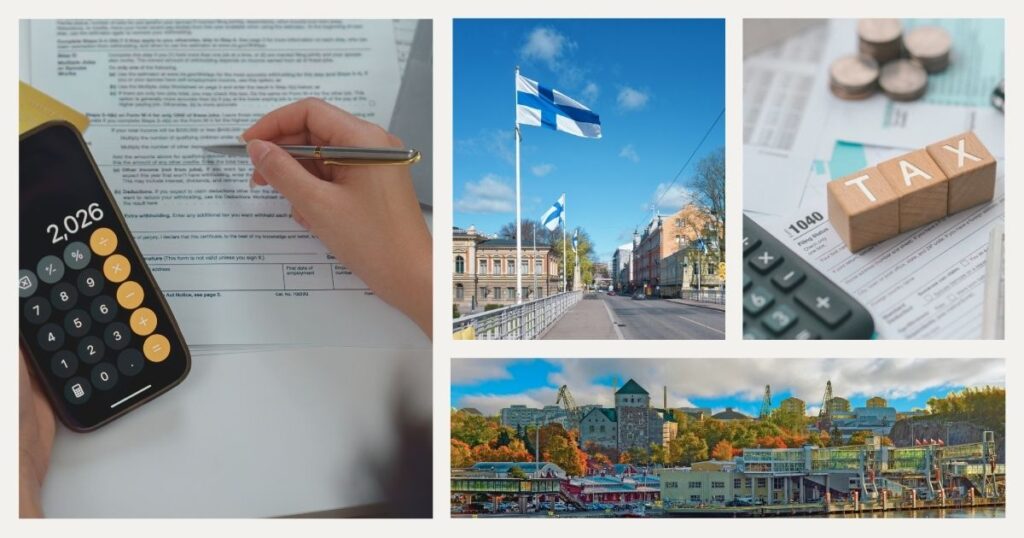
Your tax residency status fundamentally determines your obligations regarding taxes in Finland. The Finnish Tax Administration uses specific criteria to classify individuals as either residents or non-residents, with each status carrying different responsibilities and benefits.
Criteria for finnish tax residency
Finland considers you a tax resident if you spend more than six months (183 days) in the country during a calendar year, maintain your permanent home in Finland, or have your center of vital interests located in Finland. The center of vital interests includes factors like family ties, business activities, and economic connections.
Digital nomads should carefully track their time in Finland, as exceeding the 183-day threshold triggers full tax residency with obligations to report worldwide income. This calculation includes all days physically present in Finland, regardless of the purpose of your stay.
💡 Did you know? Finland uses a “center of vital interests” test that considers your strongest personal and economic ties. Even if you spend less than 183 days in Finland, strong connections to the country could still result in tax residency status.
Non-resident tax obligations
Non-residents face more limited tax obligations regarding taxes in Finland, typically only paying taxes on Finnish-source income such as employment income from Finnish employers, business income generated within Finland, or rental income from Finnish properties.
Non-resident taxation often occurs through withholding at source, with rates varying based on income type and applicable tax treaties. However, non-residents may still need to file tax returns in certain circumstances, particularly when claiming deductions or seeking refunds.
🌟 Pro tip: maintain detailed records of your days in Finland and document your permanent residence elsewhere to support non-resident status if questioned by tax authorities.
Digital nomad tax considerations in Finland
Digital nomads working in Finland face unique challenges when dealing with taxes in Finland, particularly around income sourcing, business registration requirements, and maintaining compliance while working remotely for international clients.
Income sourcing for remote workers
Determining whether your remote work income constitutes Finnish-source income affects your tax obligations significantly. Work performed physically within Finland generally creates Finnish-source income, even if your employer or clients are located elsewhere.
Digital nomads working for foreign companies while residing in Finland typically need to report this income on their Finnish tax returns. The location where work is performed often determines the source of income for tax purposes.
💡 Did you know? Finland has specific rules for digital services and remote work that may require registration with Finnish authorities even for work performed for foreign clients.
Business registration and connectivity
Digital nomads operating as freelancers may need to register for business activities in Finland, depending on the scope and duration of their work. This registration affects how taxes in Finland apply to your income and what deductions you can claim.
Managing taxes in Finland requires reliable internet access for digital filing and accessing tax portals. Finland’s digital infrastructure supports remote tax management, but backup connectivity becomes crucial during filing periods.
🌟 Pro tip: ensure uninterrupted access to Finnish tax portals with advanced connectivity solutions that provide reliable internet backup during critical filing periods.
Finnish tax rates and structure
Finland operates a progressive tax system with multiple components including municipal tax, state tax, and various additional charges. Understanding how these different tax elements combine helps you calculate your total tax liability regarding taxes in Finland.
Income tax components
Finnish income tax consists of municipal tax (approximately 17-23% depending on your municipality), state tax (ranging from 6.5% to 31.25% based on income level), and church tax (1-2% if you belong to the Finnish church). These components combine to create effective tax rates that can reach 50% or higher for high earners.
Digital nomads should understand that different types of income may face different tax treatment regarding taxes in Finland.
💡 Did you know? Your municipal tax rate depends on where you’re registered as a resident in Finland. Some municipalities have significantly lower rates than others.
Social security contributions
Social security contributions in Finland depend on your employment status and residency situation. Employees typically have contributions deducted automatically, while self-employed individuals must handle their own social security obligations.
Digital nomads may qualify for exemptions from certain social security contributions if they maintain coverage in another EU country.
Deductions and tax optimization
Finland offers numerous deductions and tax optimization opportunities that can significantly reduce your liability regarding taxes in Finland. Understanding available deductions helps you minimize your tax burden while remaining fully compliant with Finnish law.
Work-related deductions
Digital nomads can claim various work-related deductions including home office expenses, professional development costs, travel expenses for business purposes, and equipment purchases. These deductions can significantly reduce your taxable income regarding taxes in Finland.
Home office deductions require careful calculation based on the percentage of your home used exclusively for work. Equipment purchases may be deductible in full or through depreciation.
🌟 Pro tip: maintain detailed records of all work-related expenses throughout the year, including receipts and documentation of business purpose.
Personal deductions
Finland offers various personal deductions including basic allowances, pension contributions, union membership fees, and certain healthcare costs. Interest expenses on qualifying loans, charitable donations, and certain educational expenses may also be deductible.
Filing process and requirements
The process of filing taxes in Finland has been largely digitized, with most taxpayers able to complete their returns online through the Finnish Tax Administration’s digital platform. Understanding this process ensures timely compliance and avoids penalties.
Pre-filled tax returns
Finland provides pre-filled tax returns for most taxpayers, automatically including information about employment income, bank interest, and other reported income sources. Digital nomads should carefully review pre-filled returns, as income from foreign sources may not appear automatically.
💡 Did you know? If your pre-filled tax return is accurate and you have no additional income or deductions to report, you may not need to actively file a return – simply accepting the pre-filled version by the deadline is sufficient.
Digital filing process
The online tax portal (Verotili) allows secure filing of tax returns, payment of taxes, and communication with tax authorities. Digital nomads benefit from the system’s accessibility from anywhere with internet access.
Required documents for filing include income statements, receipts for deductions, and various certificates depending on your circumstances.
🌟 Pro tip: create digital copies of all tax-related documents throughout the year and organize them by category.
Payment methods and deadlines

Understanding payment schedules and methods for taxes in Finland helps you manage cash flow and avoid penalties. Finland offers several payment options and schedules to accommodate different taxpayer situations.
Advance tax payments
Most taxpayers make advance tax payments throughout the year based on estimated income. These payments are typically deducted automatically from employment income or paid quarterly by self-employed individuals.
Digital nomads with irregular income may need to adjust their advance payments during the year to avoid large final settlements. The tax administration allows changes to advance payment rates through the online portal.
Final settlement and refunds
After filing your annual return, the tax administration calculates your final tax liability and compares it to advance payments made during the year. This results in either additional tax due or a refund of overpaid taxes.
💡 Did you know? Finland pays interest on tax refunds if processing takes longer than expected, but also charges interest on late payments.
Final thoughts
Successfully managing taxes in Finland requires understanding the country’s multi-layered tax system, maintaining proper documentation, and staying current with filing requirements and deadlines. While the complexity can seem daunting initially, Finland’s digital infrastructure and systematic approach make compliance manageable with proper preparation.
The key to success lies in understanding your tax residency status, maintaining detailed records throughout the year, and leveraging available deductions to optimize your tax situation. Whether you’re a short-term visitor or long-term resident, proper tax planning ensures compliance while minimizing your overall burden.
Ready to master the complexities of Finnish taxation and ensure full compliance with your digital nomad lifestyle? Proper tax planning not only keeps you compliant but can also significantly reduce your overall tax burden through strategic use of available deductions and exemptions. For comprehensive guidance on international travel and nomadic lifestyle optimization, explore our detailed digital nomad visa programs guide.
Let Nomada simplify your international tax obligations and provide the expertise you need for confident global mobility 🌍
Frequently asked questions about taxes in Finland
If you spend fewer than 183 days in Finland and don’t establish tax residency, you typically only pay taxes on Finnish-source income. However, work performed in Finland often creates Finnish-source income regardless of where your employer is located, so you may still have tax obligations even on short visits.
Income is generally considered Finnish-source if the work is performed physically within Finland, regardless of where your employer or clients are located. This means digital nomads working remotely while in Finland typically need to report this income on Finnish tax returns, even for foreign companies.
Yes, if you use part of your accommodation exclusively for work, you can claim home office deductions. The deduction is calculated based on the percentage of space used for work and includes utilities, rent, and other home-related expenses proportional to your office use.
Finnish tax residency typically begins from the date you establish residency, not necessarily January 1st. You’ll need to report worldwide income from the date residency begins and may need to file returns in both Finland and your previous country of residence for that year.
Tax treaties between Finland and other countries can prevent double taxation and may provide exemptions for certain types of income. The specific benefits depend on the treaty with your home country and your particular circumstances, so reviewing the relevant treaty is important for proper planning.